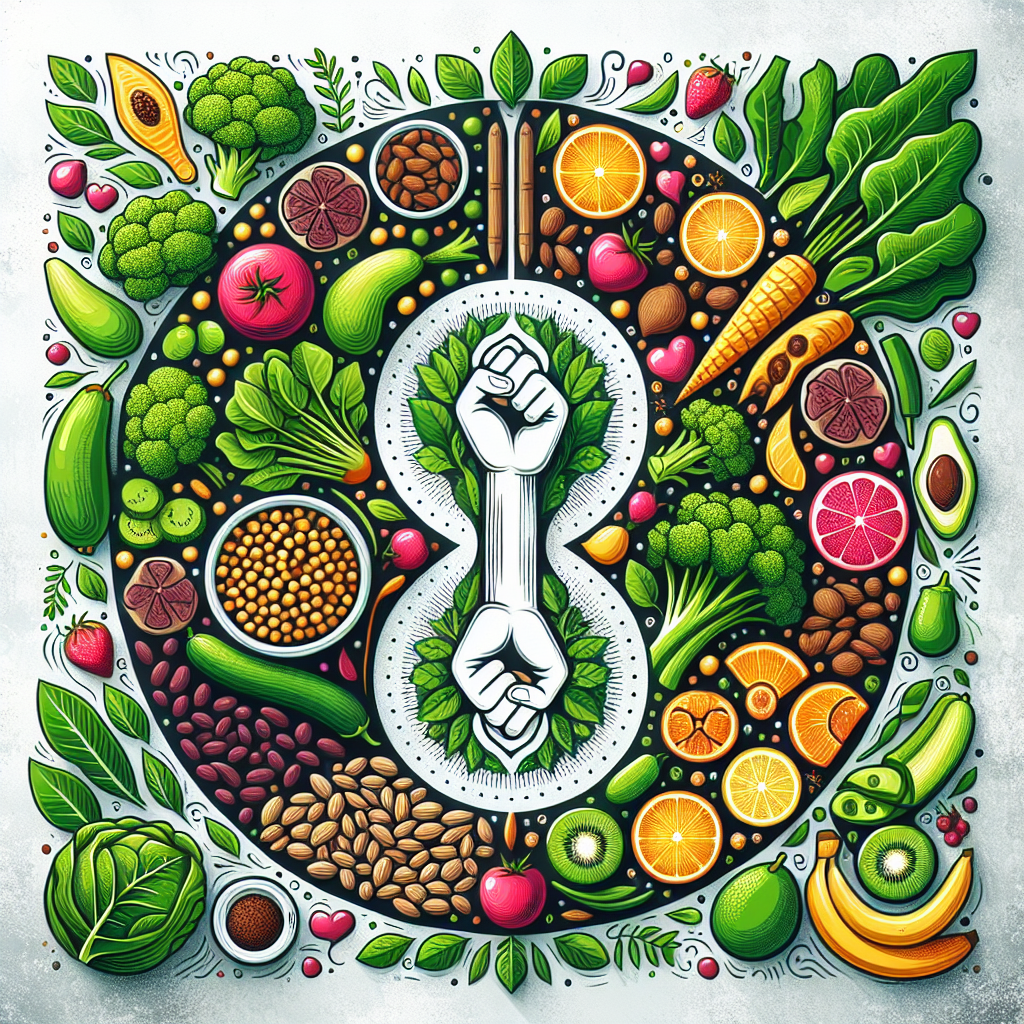
Vegan Pregnancy Powerhouse: Doctor-Recommended Trimester-by-Trimester Guide
Pregnancy begins a new chapter in more ways than one—it transforms your body, your mindset, and the way you nourish yourself. If you’re committed to a vegan lifestyle, this journey might seem overwhelming at first. But with the right guidance and planning, a vegan pregnancy can be not only entirely healthy but also energizing and empowering.
This is your trimester-specific guide to plant-based pregnancy nutrition, designed to provide everything you need to support your health and help your baby thrive from day one.
First Trimester: Building a Strong Foundation
In the early weeks of pregnancy, your body is doing the intensive work of initiating fetal development. Meanwhile, common symptoms like nausea and fatigue can make eating challenging. Focusing on key nutrients can make a major difference in your well-being and your baby’s health.
Essential Nutrients for the First Trimester
Folate-Rich Vegan Foods
Folate is vital for preventing neural tube defects. Include foods like lentils, leafy greens such as spinach, asparagus, and fortified breakfast cereals. The CDC advises 400 micrograms of folate daily before and during early pregnancy.
Iron-Rich Plant-Based Foods
As blood volume increases, iron becomes especially important. Choose iron-rich options like legumes, quinoa, pumpkin seeds, and dark leafy greens. Pair iron-heavy meals with vitamin C sources—like bell peppers or citrus—to enhance absorption.
Vitamin B12 Supplementation
Because plant-based foods do not naturally provide vitamin B12, supplementation is essential. According to the National Institutes of Health, pregnant women should get 2.6 micrograms daily.
Protein for Early Pregnancy
In the first trimester, aim for about 60 to 70 grams of protein each day. Great vegan sources include tofu, tempeh, chickpeas, hemp seeds, and almonds.
Managing Morning Sickness on a Vegan Diet
– Sip on ginger tea and eat small, frequent meals to help reduce queasiness.
– Try banana slices for a natural source of vitamin B6, known to ease nausea.
– Keep trail mix nearby—eating a small amount before getting out of bed can reduce morning sickness symptoms.
“Plant-based diets in pregnancy are absolutely viable,” says Dr. Reed Mangels, RD, PhD, a co-author of the Academy of Nutrition and Dietetics’ position paper on vegetarian diets. “With thoughtful planning, vegan moms can meet nutritional needs safely and effectively.”
Second Trimester: Supporting Baby’s Growth and Boosting Energy
As nausea subsides and your appetite returns, now is an ideal time to refocus on nutrient density and balanced meals. The second trimester is critical for supporting organ development, muscle growth, and skeletal formation.
Nutrients to Focus on in the Second Trimester
Calcium to Build Strong Bones
Vegan sources of calcium include fortified soy milk, calcium-set tofu, almonds, tahini, kale, and bok choy. Calcium supports the development of your baby’s bones and teeth.
Vitamin D for Immune and Bone Health
Vitamin D is important for calcium absorption and immune support. Consider fortified plant milks or supplements, especially if you get limited sun exposure. Sun-exposed mushrooms are another plant-based alternative.
DHA & EPA for Brain and Vision Development
Omega-3 fatty acids—especially DHA—support your baby’s developing brain and eyes. Since the conversion from ALA (in flax, walnuts, and chia) to DHA is low, opting for a high-quality algae-based DHA supplement is highly recommended.
Zinc for Cellular Growth
Zinc supports cell division and immune function. Good vegan choices include lentils, pumpkin seeds, chickpeas, and cashews.
Sample Plant-Based Meals for the Second Trimester
– Brown rice stir-fry topped with marinated tofu and sesame seeds
– Lentil and quinoa salad with colorful bell peppers and tahini dressing
– Coconut chickpea curry served over fortified rice
According to the Mayo Clinic, calorie needs increase by about 340 per day during the second trimester. Prioritize nutrient-dense meals that deliver ample energy and essential vitamins.
Third Trimester: Strength for Labor and Baby’s Final Growth
In the third trimester, your baby gains most of their weight, and your own energy needs intensify. This is the time to focus on high-protein foods, essential vitamins, and staying hydrated to prepare your body for birth.
Key Nutrients for the Third Trimester
Protein Power
Aiming for at least 75 grams of plant-based protein daily is crucial. Great sources include lentils, tempeh, soy milk, hummus, almond butter, and oats.
Boosting Late-Pregnancy Iron
Iron needs peak in the third trimester. Increase intake of iron-rich foods such as blackstrap molasses, cooked spinach, and legumes. In some cases, supplementation may be recommended by your provider.
Fiber to Beat Constipation
Constipation is common in late pregnancy. Combat it with chia pudding, whole grains, fresh vegetables, and plenty of fruit such as apples and pears.
Magnesium for Muscle Support
Magnesium helps reduce leg cramps and supports muscle function. Include magnesium-rich options like avocado, black beans, nutritional yeast, and brown rice.
Hydration and Herbal Support
Drink 8 to 10 glasses of water per day to support your increased blood volume and amniotic fluid. Many midwives also suggest incorporating red raspberry leaf tea during late pregnancy to help tone the uterus in preparation for labor.
“Third trimester nutrition directly impacts both your baby’s birth weight and your delivery endurance,” says clinical nutritionist Julieanna Hever, RD. “Choose plant foods that combine healthy calories with key nutrients.”
Recommended Supplements for a Vegan Pregnancy
Even with a whole-food plant-based diet, supplements can help fill nutritional gaps. Here are essential recommendations:
Vegan Prenatal Vitamins
Look for a prenatal that includes folic acid (400–600 micrograms), iron, B12 (minimum 2.6 micrograms), iodine, Vitamin D (600 IU), and DHA.
B12
A daily B12 supplement of 250 micrograms is ideal. Sublingual versions may improve absorption.
Vitamin D3 from Vegan Sources
Opt for a professional-grade D3 supplement derived from lichen, especially during months with less sun exposure.
DHA Omega-3
At least 200–300 milligrams of DHA per day is recommended. Choose an algae-based DHA supplement for optimal brain development support.
Iron
Depending on blood tests and symptoms, your OB/GYN may recommend an iron supplement, especially during the third trimester.
Daily Vegan Meals and Snacks To Support Pregnancy
Maintain steady energy and balanced nutrients with simple, satisfying meals throughout any stage of pregnancy.
Breakfast
Green smoothie with kale, chia seeds, frozen banana, peanut butter, and soy or almond milk
Snack
Apple slices with sunflower seed butter or homemade trail mix with pumpkin seeds and dried cranberries
Lunch
Quinoa and black bean bowl with avocado, mango, and lime juice
Dinner
Sweet potato lentil stew or BBQ tempeh tacos topped with cabbage slaw
Evening Treat
Fortified oatmeal with dates, walnuts, and cinnamon or a bowl of fortified cereal with plant milk
Pro Tip: Prepare ingredients like lentils, brown rice, and tofu stir-fry in advance to make weekday meals easier.
Final Thoughts: Celebrate a Nourishing Vegan Pregnancy
Embracing a plant-based pregnancy is a beautiful way to nourish yourself and your baby with intention. By tuning into your body, working closely with a healthcare provider, and creating a meal plan centered on variety and nutrients, you can thrive through every trimester.
Release the pressure to be perfect. Aim for progress and consistency instead. Every wholesome plant-based bite brings you one step closer to a vibrant, empowered birth and new beginning.
Share Your Journey
Are you navigating pregnancy on a vegan diet? Share your favorite meals, recipes, or supplements. Your story may inspire and empower another mom-to-be.
Resources and References
– Mangels, R., et al. (2016). Position of the Academy of Nutrition and Dietetics: Vegetarian Diets. Journal of the Academy of Nutrition and Dietetics.
– Mayo Clinic Staff. “Pregnancy Nutrition: Weight Gain and More.” MayoClinic.org
– Hever, Julieanna. “Pregnancy on a Plant-Based Diet.” Vegetarian Times
– National Institutes of Health – Office of Dietary Supplements
– Centers for Disease Control and Prevention (CDC) – Folic Acid Recommendations
– edrugstore.com – Prenatal Vitamin Comparisons and Reviews
Related posts

Navigating Weekend Overindulgence: How Cheat Meals Impact Progress and Strategies for Sustainable Balance
Struggling with weekend overindulgence? Dive into our latest post, “Navigating Weekend Overindulgence: How Cheat Meals Impact Progress and Strategies for Sustainable Balance.” Discover how cheat meals can be a double-edged sword and learn expert strategies to enjoy indulgences guilt-free, while maintaining your health goals. Unlock the secrets to a balanced lifestyle today!
Navigating Cheat Meals: How Strategic Indulgences Can Help Overcome Weekend Weight Loss Plateaus
Unlock the secret to overcoming weekend weight loss plateaus with strategic indulgences! Discover how navigating cheat meals can boost your metabolism and keep you on track. Learn the art of mindful indulgence that satisfies cravings without derailing your progress. Ready to transform your weekends and hit your goals? Dive in now!
