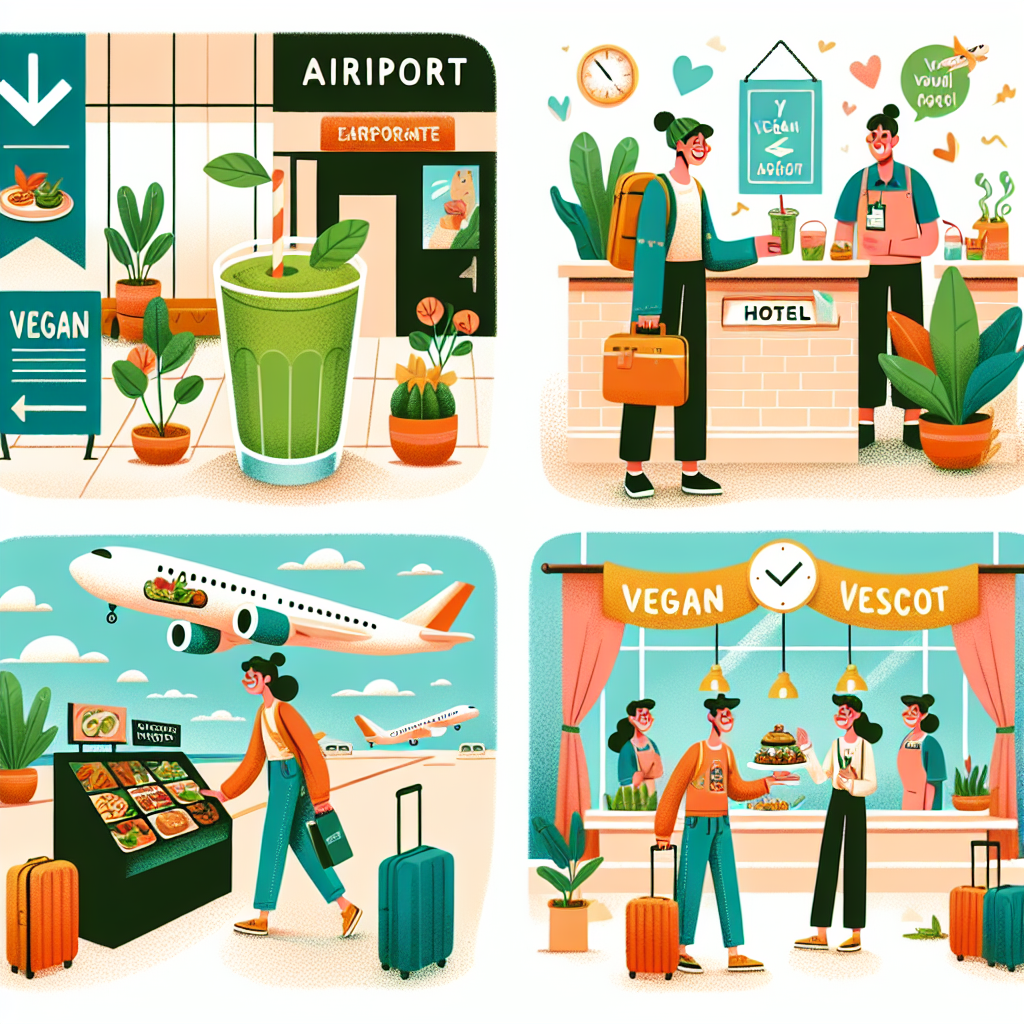
How to Travel as a Vegan: Practical Tips for Airports, Hotels, and Events
Traveling opens doors to new places, cultures, and cuisines. For those following a plant-based lifestyle, however, it requires a bit more planning to align everyday decisions with ethical and dietary commitments. From navigating airport food courts to finding hotel breakfasts that align with your values, traveling as a vegan can present some unique challenges. Fortunately, with the right preparation and resources, it’s entirely possible to stay healthy, satisfied, and true to your choices while exploring the world.
Why Vegan Travel Is on the Rise
According to a 2023 Ipsos poll, about 10% of adults in the United States identify as vegan or plant-based. Globally, more countries are experiencing a rise in veganism as people become more mindful of health, environmental impact, and animal welfare. Major urban centers now cater more than ever to plant-based diets, and travel resources for vegans are expanding annually. This global shift makes travel easier and more rewarding for plant-based travelers.
Plan Ahead Before Your Trip
Proper planning can save time, reduce stress, and ensure you remain nourished on your journey.
Research Vegan-Friendly Destinations
Look into the local cuisine of your destination before you go. Many countries naturally incorporate plant-based dishes into their traditional fare.
– In Thailand, dishes like tofu curry and green papaya salad are largely plant-based.
– India offers a variety of naturally vegan meals like dosas, chana masala, and dal.
– Israel has one of the highest concentrations of vegans worldwide, with over 5% of the population identifying as vegan.
In countries with diets centered on meat, such as Argentina or parts of Eastern Europe, aim to utilize local produce and seek out vegan-friendly adaptations of traditional meals.
Pack Vegan Travel Essentials
Carrying your own food staples can be a game-changer, especially during long transfer days or when traveling through rural areas.
Examples include:
– Trail mix with dried fruits, seeds, and dark chocolate
– Ready-to-eat lentil soups or dehydrated rice bowls
– A reusable utensil set, food container, and cloth napkin
These backups help ensure you’re never without nourishing options.
Use Vegan Travel Apps
Several mobile tools make locating plant-based meals and vegan amenities much easier:
– HappyCow: Helps you find vegan-friendly restaurants near you
– VegVisits: A vegan alternative to Airbnb that lets you stay with like-minded hosts
– Google Maps: Save searches like “vegan food near me” or “plant-based breakfast in [city name]”
Consult guides from organizations like PETA or Veganuary for additional destination-specific tips.
Airport Travel on a Plant-Based Diet
Airports are notorious for limited healthy food, but a few strategies ensure plant-based travelers stay fueled.
Pack TSA-Approved Vegan Meals
Most solid foods are allowed through airport security. Ideal options include:
– Whole grain peanut butter sandwiches
– Salad bowls made from quinoa, beans, and chopped vegetables
– Fruits such as apples or oranges, dried apricots, or carrot sticks with hummus
Nutritionist Julieanna Hever, MS, RD, suggests packing whole foods like dates and walnuts: “They’re nutritious, travel-friendly, and stay fresh without refrigeration.”
Pre-Order Vegan Airline Meals
Many airlines offer vegan options, but you must request them at least 48 hours before departure. Look for the VGML (vegan meal) option when booking or call customer support. Even if you pre-order, always bring a backup snack in case your meal isn’t available.
Know Your Terminal Food Options
Major airports often house chains with growing plant-based menus. Keep an eye out for:
– Starbucks: Try the Chickpea Bites and Avocado Protein Box
– Cibo Express: Features vegan wraps, grain salads, and fresh fruit
– Pret a Manger: Offers multiple plant-based options, especially in Europe
Carefully read menu descriptions or ask staff to avoid hidden animal-derived ingredients like honey or dairy-based sauces.
Finding Vegan-Friendly Accommodations
Where you stay significantly impacts your food options — but you have more control than you think.
Book Hotels or Guesthouses That Support Vegan Lifestyles
Search platforms like VegVisits or filter by “kitchen” or “plant-based” when using Airbnb. Even a mini fridge allows you to store staple items like dairy alternatives, fruits, and leftovers.
Example: A search for “plant-based bed and breakfast in London” might lead you to Temple Lodge Club, which offers fully vegan breakfasts.
Communicate Dietary Needs in Advance
Before arrival, email or call your hotel to request plant-based accommodation. A sample message could be:
“Hello, I’m staying next week and follow a vegan diet. Could you let me know if your breakfast options accommodate this or suggest places nearby?”
Many establishments will offer plant milk, meat-free sausages, or vegan spreads when asked.
Shop at Local Markets
Local markets not only support the surrounding community but also offer plenty of customizable, plant-based items:
– Tropical fruits like mango and guava in Southeast Asia
– Local berries, nuts, and grains in Europe
– Dairy-free items such as oat milk, tofu, and hummus
These grocery runs provide both adventure and sustenance while reducing food waste and unnecessary packaging.
Vegan Choices at Social Events
Being a gracious guest while holding true to your values is entirely achievable with clear communication and preparation.
Inform Hosts or Event Planners in Advance
Whether attending a wedding or conference lunch, reach out ahead of time with a polite request for plant-based food or offer to contribute something yourself. Most hosts are happy to help when given notice.
Contribute a Vegan Dish
Potlucks or informal gatherings are the perfect time to bring a shareable vegan meal. Crowd-pleasing options include:
– Stuffed bell peppers with lentils and rice
– Dairy-free macaroni and cheese
– Homemade falafel and tahini dipping sauce
These dishes often impress non-vegans and open up conversations about plant-based eating.
Ask Questions About Menu Ingredients
Buffets and plated meals often lack detailed labels. Don’t hesitate to ask staff for clarification about cooking methods or hidden ingredients like butter or eggs.
Physician and vegan advocate Dr. Neal Barnard recommends approaching it this way: “Asking questions about food ingredients isn’t just practical — it’s a way to advocate for better inclusivity and transparency at events.”
Extra Tips for Smooth Vegan Travel
Experienced plant-based travelers keep a few extra tricks in their toolkit to ensure everything runs smoothly.
Learn Basic Vegan Phrases in the Local Language
Knowing how to say “I don’t eat meat, dairy, eggs, or animal products” in the local language makes ordering food easier and reduces misunderstandings. Apps like Google Translate help, or you can print vegan dining cards.
Examples:
– Japanese: 動物性の食品を食べません
– Spanish: No como carne, lácteos ni huevos
– French: Je suis végétalien – pas de produits animaux, s’il vous plaît
Stay Flexible and Kind to Yourself
You may occasionally find yourself in situations with no ideal choices. If you unknowingly consume something non-vegan, don’t be too hard on yourself. Dr. Melanie Joy, author and psychologist, says:
“Success in veganism isn’t about perfection — it’s about consistent, mindful effort.”
Support Vegan Businesses Wherever You Go
Whether it’s a local vegan café, a cruelty-free souvenir shop, or a market vendor selling handmade soaps, your purchases support ethical and sustainable commerce. Consider tagging businesses on social media or leaving reviews to amplify their presence for others.
Final Thoughts: Travel Joyfully and Plant-Powered
Traveling as a vegan is not about limitation — it’s about cultivating awareness, intention, and inspiration. With a few simple preparations, airports, hotels, and even surprise social events become opportunities to practice compassion and enjoy global plant-based cuisine. From your carry-on snacks to conversations with locals, plant-powered travel is rich, fulfilling, and deeply rewarding.
So, pack your reusable cutlery and oat milk — the world is ready for your next adventure.
References
1. Ipsos. (2023). Nearly 1 in 10 Americans Identify as Vegan. https://www.ipsos.com
2. Global Vegan Trends Report. (2022). https://www.statista.com/statistics/1095894/vegan-population-by-country/
3. Veganuary. Vegan Travel Guide. https://veganuary.com/vegan-travel-guide/
4. Hever, J. (n.d.). The Plant-Based Dietitian. https://plantbaseddietitian.com/
5. Physicians Committee for Responsible Medicine. https://www.pcrm.org
6. Joy, M. (2011). Why We Love Dogs, Eat Pigs, and Wear Cows. Lantern Books
Need to manage prescriptions or wellness needs while traveling? Visit edrugstore.com for travel-ready healthcare solutions.
Related posts

Unlocking the Weekend Eating Paradox: Why Cheat Meals Can Boost Fat Loss Without Derailing Your Diet
Struggling to stick to your diet over the weekend? Discover the secret to enjoying guilt-free cheat meals while accelerating fat loss! “Unlocking the Weekend Eating Paradox” reveals how strategic indulgences can revitalize your metabolism and amplify results without derailing your progress. Ready to transform your weekends into a powerful weight-loss ally? Dive in now!

Navigating Weekend Overindulgence: How Cheat Meals Impact Progress and Strategies for Sustainable Balance
Struggling with weekend overindulgence? Dive into our latest post, “Navigating Weekend Overindulgence: How Cheat Meals Impact Progress and Strategies for Sustainable Balance.” Discover how cheat meals can be a double-edged sword and learn expert strategies to enjoy indulgences guilt-free, while maintaining your health goals. Unlock the secrets to a balanced lifestyle today!
