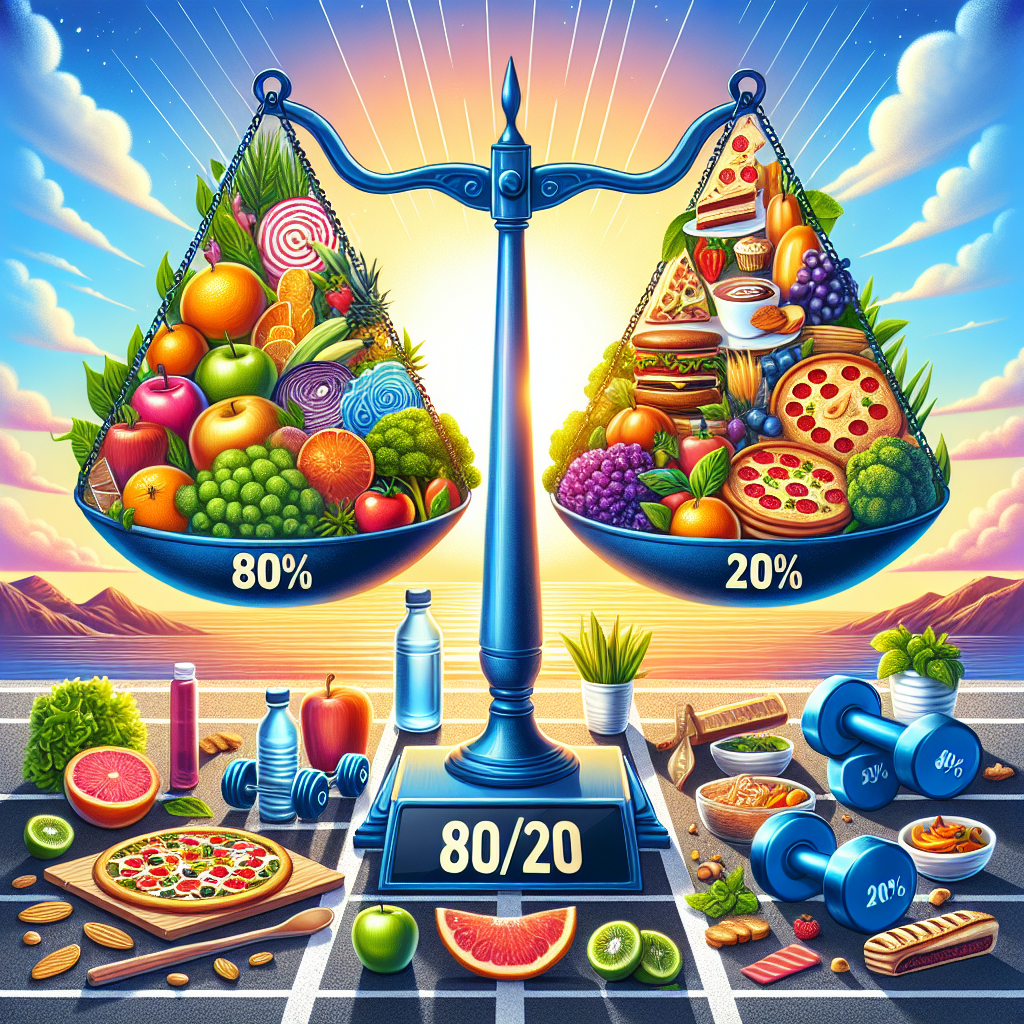
The 80/20 Diet Blueprint: Balanced Nutrition Without Sacrificing Joy
When people think about eating healthier, they often envision cutting out all their favorite foods — no desserts, no pizza, no indulgences. But what if you could make lasting dietary changes without eliminating the foods you love? That’s the idea behind the 80/20 diet — a realistic and flexible way to eat better while still enjoying your meals.
In this guide, we’ll explore how the 80/20 diet works, why it’s effective, and how you can begin using this approach to fit your lifestyle. According to data from the CDC, only one in ten adults consumes enough fruits and vegetables daily. Embracing the 80/20 method can help bridge that gap, all without feeling like you’re trapped by a rigid diet.
What Is the 80/20 Diet?
The 80/20 diet is about balance and sustainability. The concept is simple: 80% of your meals should consist of nutritious, whole foods that support your health goals. The remaining 20% allows room for your favorite treats — the foods that may not be “clean” but bring joy and satisfaction.
For example, if you eat 21 meals in a week, about 17 should focus on wholesome foods such as lean proteins, whole grains, fruits, vegetables, and healthy fats. The other four meals can include items like pizza, dessert, or your favorite weekend takeout — without guilt.
Nutritionist Diane Sanfilippo, author of Practical Paleo, emphasizes that allowing room for imperfection is key to long-term success. “No one eats 100% clean forever — the pressure to do so can often do more damage than enjoying occasional indulgences,” she explains.
Unlike restrictive fad diets, the 80/20 method works in harmony with your real life — not against it.
Why the 80/20 Diet Is Effective
Many diets fail because they demand strict adherence, leading to burnout. In contrast, the 80/20 approach emphasizes consistency over perfection. Research published in the American Journal of Clinical Nutrition supports the idea that flexible eaters are more successful at maintaining weight loss than those who follow rigid plans.
Here are four compelling benefits of the 80/20 approach:
✔ Sustainability: You can eat out, attend celebrations, and still maintain a healthy lifestyle.
✔ Reduced Guilt: Because indulgences are planned, you can enjoy them without shame, preventing binge eating or emotional eating spirals.
✔ Consistency: Freedom from strict food rules makes it easier to establish lasting habits.
✔ Healthier Mindset: This method encourages a progress-over-perfection mentality, improving your relationship with food and self-image.
Dr. Krista Scott-Dixon, head of curriculum at Precision Nutrition, puts it simply: “Rigid control often leads to a fear of food and disordered eating. Flexibility builds resilience and promotes long-term success.”
How to Start the 80/20 Diet
The beauty of the 80/20 diet is its flexibility — it’s less of a strict formula and more of a customizable framework. Here’s how to get started in a way that fits your lifestyle.
Step 1: Identify Your 80%
Your 80% meals are the foundation of your nutrition. These meals focus on whole, nutrient-rich foods designed to fuel your body.
Choose foods such as:
– Lean proteins like chicken, tofu, or fish
– Whole grains such as quinoa, oats, and brown rice
– A variety of colorful vegetables and fiber-rich fruits
– Healthy fats such as avocado, olive oil, and nuts
– Hydrating beverages like water, green tea, or infused water
Meal prepping a few staples like roasted vegetables or grilled proteins can make sticking to the 80% effortless.
Step 2: Define the 20%
The remaining 20% gives you permission to enjoy your favorite foods without feeling like you’re cheating. This approach makes healthy eating more livable.
Some indulgence examples include:
– Ice cream on a summer evening
– A glass of wine at a dinner party
– A burger on your road trip
– A flavored latte on a Friday morning
The key is mindfulness. Ask yourself if you’re genuinely enjoying the treat or if it’s just a habit. Focus on quality and satisfaction.
Step 3: Make It Personal and Practical
Different lifestyles call for different approaches to the 80/20 balance. Some may prefer to eat primarily healthy foods during the week and loosen up on weekends. Others might choose one small indulgence each day, such as a piece of dark chocolate or a specialty latte.
There is no one-size-fits-all rule here. The best plan is the one that works for you and helps you feel your best.
For extra support in your wellness journey, resources like eDrugstore.com offer meal planning tips, weight management tools, and more to help you stay on track.
Tips for Success with the 80/20 Approach
To make the 80/20 diet part of your long-term lifestyle, keep these practical tips in mind:
1. Practice Portion Control: A single scoop of ice cream or a small slice of cake can offer satisfaction without derailing your progress.
2. Be Selective with Indulgences: Don’t waste your 20% on snacks that you don’t truly enjoy. Opt for meaningful treats that bring genuine pleasure.
3. Plan Ahead: If you have a social event on the horizon, focus on making nutritious choices earlier in the week to balance things out.
4. Build Habits, Not Restrictions: Rather than labeling foods as “good” or “bad,” ask yourself how certain meals make you feel. Do they energize or drain you?
Pro Tip: Consider keeping a food journal for a week to observe your current eating patterns. This insight can help you fine-tune your 80/20 balance.
Is the 80/20 Diet Right for You?
The 80/20 rule suits a wide range of people — busy professionals, parents, and anyone tired of jumping from one strict diet to another. If you’ve felt guilty about social eating or struggled with yo-yo dieting, this strategy can offer a more peaceful and effective path forward.
Whether your goal is to lose weight, feel more energized, or establish sustainable eating habits, the 80/20 approach provides the flexibility you need to succeed.
Final Thoughts: Embrace Progress, Not Perfection
In a world filled with extreme diets and long lists of “off-limit” foods, the 80/20 approach is refreshingly sensible. It promotes moderation over restriction and focuses on making better choices more often, rather than aiming for perfection.
So go ahead — enjoy the salad and savor the brownie. That’s balanced, real-world healthy eating — and it works.
Interested in starting your 80/20 eating journey? Begin with small, consistent steps and explore helpful tools and resources at eDrugstore.com to support your goals.
References
1. Centers for Disease Control and Prevention (CDC). (2022). Only 1 in 10 Adults Get Enough Fruits or Vegetables. https://www.cdc.gov/nutrition/data-statistics/adults.html
2. Westenhoefer J. (2001). The role of rigidity versus flexibility in dietary habits. Obesity Reviews. https://doi.org/10.1046/j.1467-789x.2001.00038.x
3. Precision Nutrition. (2019). The Cost of Getting Lean. https://www.precisionnutrition.com/cost-of-getting-lean
Related posts

Why Eating the Same Breakfast Can Reduce Daily Cravings
Discover the secret to curbing daily cravings with a simple yet powerful breakfast routine. By eating the same nutritious breakfast every morning, you create a sense of stability and satisfaction that can prevent unnecessary snacking and temptations throughout the day. Transform your mornings and watch your cravings disappear. Ready to give it a try?

The Role of Routine in Reducing Decision Fatigue Around Food
In today’s fast-paced world, decision fatigue is a common hurdle, especially around food choices. Embrace the power of routine to simplify your meals and boost your energy. By automating decisions, you free your mind to focus on what truly matters. Discover how establishing a meal routine can transform your daily life.
