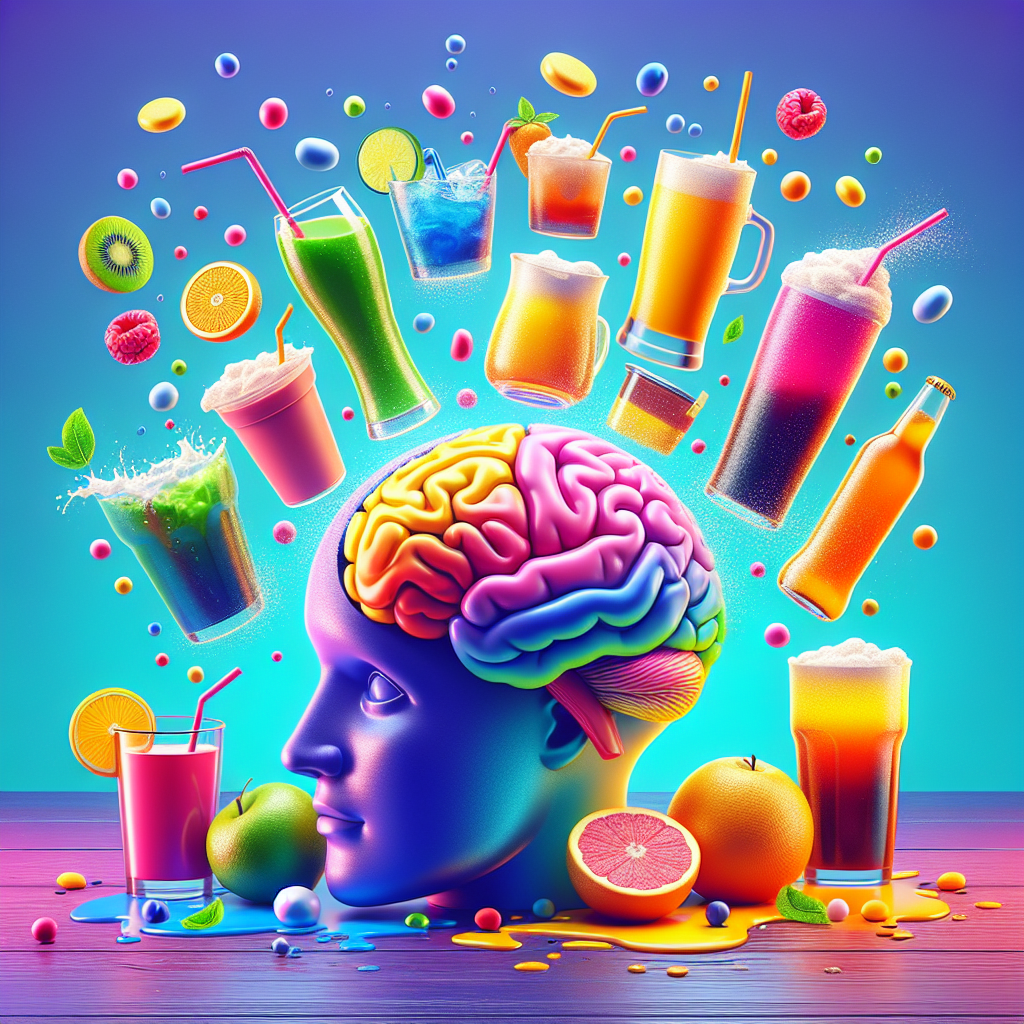
# Why Your Brain Thinks Liquid Calories Don’t Count
In today’s health-conscious world, many individuals strive for a balanced diet and exercise regimen to maintain a healthy lifestyle. However, a crucial yet often overlooked aspect is the sneaky abundance of liquid calories consumed daily. From flavored lattes and smoothies to sodas and cocktails, liquid calories seem to slip under the radar of dietary awareness. But why does our brain perceive liquid calories differently? Let’s delve into the psychology and science behind this phenomenon and understand how it impacts our dietary habits.
### Understanding the Psychology of Consumption
Our brains are designed to monitor food intake through a complex interaction of biological signals. When we consume solid foods, multiple sensory mechanisms activate, prompting our brains to register the calories consumed. For instance, chewing sends signals to the brain indicating that we are consuming food, leading to increased feelings of satiety or fullness. In contrast, drinking doesn’t engage these mechanisms in the same way. Liquids are often consumed more quickly and less engagingly, which can cause our brains to overlook liquid calories as a significant energy source.
### The Role of Sensory Deception
The sensory experience associated with eating solid foods is rich and multi-dimensional, involving taste, smell, texture, and even sound. Dr. Jane Smith, a nutrition expert, explains that this sensory immersion provides the brain with powerful cues that contribute to a feeling of fullness and satisfaction. Liquid calories, however, are often consumed quickly and lack the varied sensory stimuli that accompany solid foods, allowing our brains to bypass the satiety signals and underestimate the caloric intake from beverages.
### The Importance of Chewing
Chewing plays a fundamental role in digestion by breaking down food and initiating enzymatic activity. This process activates satiety hormones like leptin, signaling the brain that it is receiving nutritional content. In liquid form, where chewing is absent, these processes are bypassed, limiting the hormonal signals that indicate when we should stop consuming. As a result, we often fail to adequately recognize the caloric load from drinks.
### The Influence of Beverage Marketing
Complicating this issue, the marketing tactics of the beverage industry significantly influence how we perceive liquid calories. Many drinks are presented as low-calorie or healthy options, sometimes marketed as supplements to enhance physical performance. Dr. Alex Johnson, a behavioral psychologist, points out that vibrant packaging and catchy slogans often overshadow nutritional labels, fostering a misconception of liquid calorie intake.
### Sugar and the Brain’s Reward System
One of the most significant contributors to our misperception of liquid calories is sugar. Sugary drinks activate the brain’s reward system in a manner similar to some addictive substances, releasing dopamine, the “feel-good” neurotransmitter. This sensation reinforces our desire for sweet beverages without adequately alerting us to their caloric content, leading to repeated consumption despite the lack of nutritional value.
### The Incremental Pitfall of Liquid Calories
Liquid calories often lead to a daily caloric surplus incrementally. For instance, a sugary coffee in the morning, a soda with lunch, and a glass of wine with dinner can easily total a significant number of unnoticed calories. Unlike a large meal, the incremental nature of these liquid calories doesn’t trigger the same compensatory behavior, leading to habitual overconsumption over time.
### Adjusting Perceptions and Habits
Recognizing how our brains misinterpret liquid calories is the first step toward adjusting our dietary habits:
1. **Mindful Awareness**: Begin by developing a conscious awareness of the beverages consumed daily. Logging drinks alongside meals can highlight the typically underestimated caloric contribution of beverages.
2. **Reading Labels**: Actively engaging with nutritional information on beverage labels can foster a more accurate understanding of caloric intake.
3. **Moderation and Alternatives**: Consider alternatives like water, herbal teas, or homemade smoothies with controlled sugar content. Reducing the frequency and portion size of high-calorie beverages can significantly impact overall consumption.
4. **Savor the Experience**: Rather than quickly gulping drinks, savor them by sipping slowly. This approach can lead to increased satiety and acknowledgment of content consumption.
5. **Incorporate Fiber-Rich Beverages**: Including blended beverages with added fiber, like whole fruits or vegetables, can increase chewiness and provide more satiety.
### Conclusion
Understanding why our brains discount liquid calories involves a complex interplay of psychological, sensory, and marketing influences. Liquid calories are often overlooked as a significant component of daily caloric intake, leading to habitual overconsumption. By adopting a more conscious and informed approach to beverage consumption, individuals can better align their dietary habits with broader health goals, reducing the potential for unintentional weight gain and improving overall well-being. So, next time you reach for that flavored latte or soda, pause to consider its impact—not just on your taste buds, but on your total caloric balance for the day. Embrace mindful consumption and let your brain become an ally in your health journey, recognizing every calorie—liquid or solid.
Remember, understanding is empowering, and even small adjustments can lead to meaningful changes in health and wellness.
Related posts
Why Eating the Same Breakfast Can Reduce Daily Cravings
Discover the secret to curbing daily cravings with a simple yet powerful breakfast routine. By eating the same nutritious breakfast every morning, you create a sense of stability and satisfaction that can prevent unnecessary snacking and temptations throughout the day. Transform your mornings and watch your cravings disappear. Ready to give it a try?
The Role of Routine in Reducing Decision Fatigue Around Food
In today’s fast-paced world, decision fatigue is a common hurdle, especially around food choices. Embrace the power of routine to simplify your meals and boost your energy. By automating decisions, you free your mind to focus on what truly matters. Discover how establishing a meal routine can transform your daily life.
