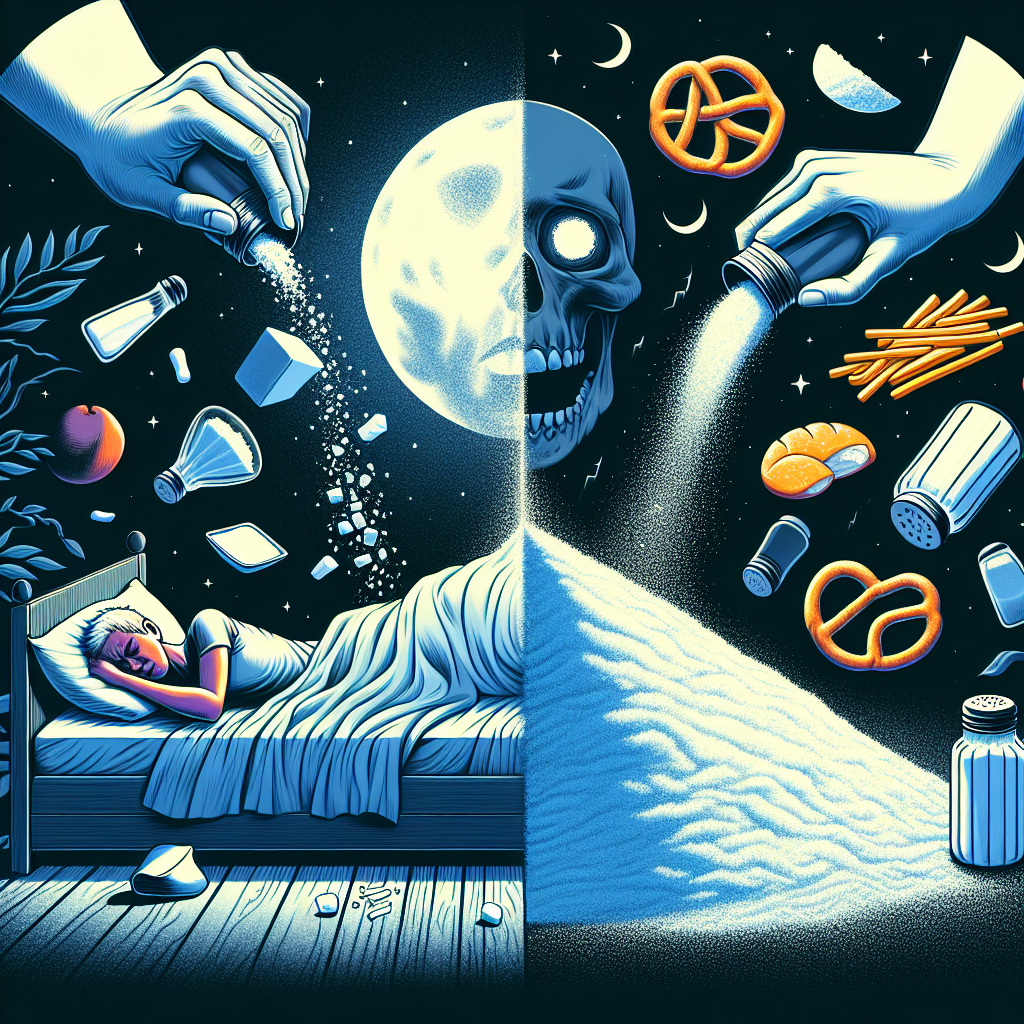
# The Sleepless Salt Craving Connection: Why You Crave Salt After Poor Sleep
In today’s fast-paced world, sleepless nights are more common than ever. Many people have experienced waking up groggy, immediately reaching for a salty snack. But why does a lack of sleep trigger this craving for salty foods? Fascinating science connects sleep deprivation with our dietary preferences, offering some answers.
### Understanding the Sleep-Salt Craving Link
It’s widely known that adequate sleep is crucial for overall health. During sleep, our bodies engage in essential tasks such as repairing cells, detoxifying, and consolidating memories. However, inadequate sleep disrupts several bodily systems, impacting everything from cognitive function to appetite regulation.
### The Hormonal Influence: Leptin and Ghrelin
Sleep deprivation significantly affects hunger hormones, particularly leptin and ghrelin. Leptin, which typically suppresses appetite, tends to decrease with sleep loss. Ghrelin, the hormone that triggers hunger, increases. Dr. Marie-Pierre St-Onge, a nutrition expert from Columbia University, explains, “This disruption can lead to increased hunger and a greater desire for calorie-dense foods, often high in sodium.”
### The Role of Salt in the Body
To comprehend why salt cravings intensify after inadequate rest, it’s essential to recognize sodium’s role in the body. Sodium is vital for maintaining fluid balance, nerve function, and muscle contractions. When sleep is compromised, the body’s need to restore balance through dietary intake becomes heightened, making salty snacks particularly appealing.
### Cortisol and Its Effect on Cravings
Cortisol, often referred to as the “stress hormone,” plays another crucial role. Sleep deprivation can cause cortisol levels to remain high. Elevated cortisol is linked with increased cravings for tasty foods, especially those high in fat and salt. As Dr. Matthew Walker from the University of California notes, “With inadequate rest, the body perceives itself to be under stress and seeks high-energy foods for survival.”
### Salt and Temporary Energy Boosts
Ironically, consuming salty foods after poor sleep offers a quick, though temporary, energy boost. Salt may increase alertness by counteracting fatigue and raising blood pressure. Although seemingly beneficial, this is a short-term solution that could lead to complications if practiced regularly.
### Health Impacts of Salt Cravings
While occasional indulgence in salty cravings may seem harmless, consistently succumbing to them can result in health issues such as elevated blood pressure and increased cardiovascular disease risk. Ignoring the body’s need for rest in favor of temporary fixes could lead to chronic health problems, including obesity and diabetes.
### Strategies to Curb Salt Cravings
Understanding the connection between sleep and salt cravings is the first step toward effectively managing them. Here are some practical strategies:
– **Prioritize Quality Sleep**: Reducing salt cravings begins with addressing sleep deprivation. Establish a regular sleep schedule, create a relaxing bedtime routine, and optimize your sleep environment to enhance sleep quality.
– **Stay Hydrated**: Sometimes, perceived salt cravings are actually signs of dehydration. Ensure you drink plenty of water throughout the day.
– **Balance Your Diet**: Incorporate a variety of nutrients to suppress specific cravings. Foods high in potassium, like bananas and sweet potatoes, help balance sodium in the body.
– **Practice Mindful Eating**: Focus on what and when you eat. Savor each bite and opt for healthier snacks like nuts or whole grains when cravings hit.
– **Manage Stress Effectively**: Since stress enhances cravings, practices such as meditation, exercise, and deep-breathing exercises can effectively manage stress and food desires.
### Conclusion
While indulging in salty snacks occasionally can be delightful, consistent cravings after poor sleep shouldn’t be ignored. Addressing sleep issues and understanding biological mechanisms can help control cravings and encourage healthier choices. Sleep is vital not only for restoration and repair but also for maintaining a balanced diet and avoiding excessive salt consumption. Next time you reach for chips after a sleepless night, you’ll know why—and what to do about it.
**References:**
– National Institutes of Health. Understanding Sleep Disorders. Available from: https://www.nih.gov
– Walker, M. Why We Sleep: Unlocking the Power of Sleep and Dreams. Scribner; 2017.
– St-Onge, M.P. The Role of Sleep Duration in the Regulation of Food Intake and Body Weight. Available from: https://www.ncbi.nlm.nih.gov
Related posts

Why Eating the Same Breakfast Can Reduce Daily Cravings
Discover the secret to curbing daily cravings with a simple yet powerful breakfast routine. By eating the same nutritious breakfast every morning, you create a sense of stability and satisfaction that can prevent unnecessary snacking and temptations throughout the day. Transform your mornings and watch your cravings disappear. Ready to give it a try?
The Role of Routine in Reducing Decision Fatigue Around Food
In today’s fast-paced world, decision fatigue is a common hurdle, especially around food choices. Embrace the power of routine to simplify your meals and boost your energy. By automating decisions, you free your mind to focus on what truly matters. Discover how establishing a meal routine can transform your daily life.
