**Unveiling the Hidden Influence of Food Packaging on Consumer Behavior**
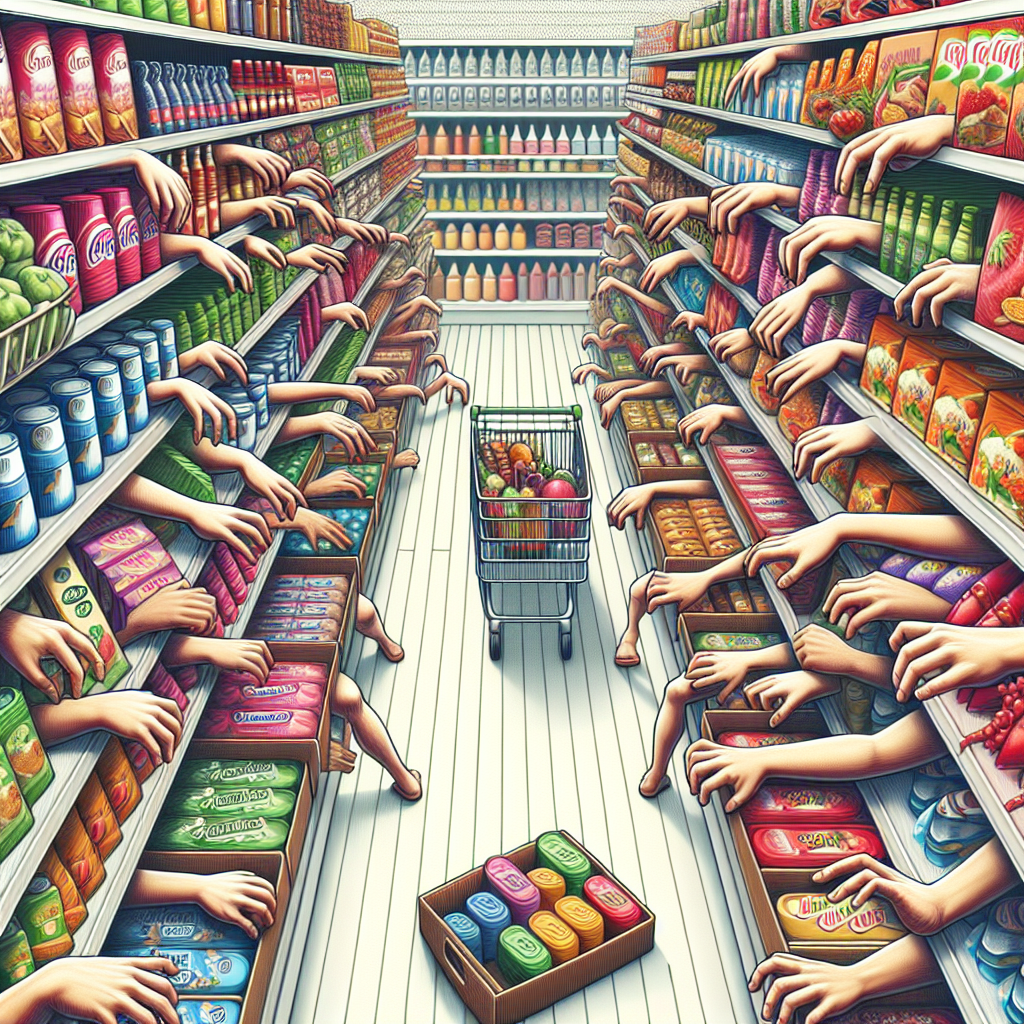
In a world overflowing with supermarket choices, consumers find themselves navigating aisles filled with vividly colored boxes, inviting cans, and enticing bags. Hidden within this vibrant array is a silent influencer: food packaging design. Although many shoppers might think their decisions are based solely on personal taste or nutritional value, the reality is much more intricate. The creativity behind the design, color, shape, and material of food packaging plays a crucial role in shaping buying decisions and consumption patterns. “Packaging acts as a vehicle for conveying brand values and messages,” says Dr. John Smith, a marketing expert at Consumer Insights Lab. Let’s explore the powerful ways in which food packaging quietly shapes our eating habits, recognizing that awareness leads to more informed decisions.
### A Palette of Persuasion: How Color Impacts Choices
Colors have a notable influence on our emotions and choices, a reality harnessed by marketers and designers. In fact, studies show that color can increase brand recognition by up to 80% (Color Communications, Inc.). The color palettes of food packaging are carefully chosen to evoke specific feelings. For example, red and yellow induce feelings of excitement and speed, making them perfect for fast-food brands aiming to drive impulse buying behavior. Conversely, blue suggests trust and reliability, making it popular for brands wanting to convey traditional quality.
Green packaging, a strategy often referred to as “greenwashing,” is used to signal health and sustainability, promoting the belief that products are healthier than they truly are. This influence even extends to perceived taste—research indicates people often associate certain colors with specific flavors, shaping their taste expectations and experiences. In this context, it is essential to question whether a product’s packaging is directing our expectations beyond reality.
### Size and Shape: The Subtle Signals of Packaging Design
The size and shape of a package can significantly alter how much we consume. Evidently, larger packages lead to increased intake, with consumers pouring more due to a phenomenon known as portion distortion. Smaller packages, sold as “snack-sized,” seemingly offer portion control but often encourage the “just one more” mentality, contributing to overconsumption.
Moreover, packaging shape subconsciously guides eating frequency. For instance, taller, slimmer packages can create the illusion of more content, encouraging slower consumption, while wider packages appear more filling. These subtle perceptions shape how and when individuals consume products, influencing overall intake over time.
### Material Matters: The Texture and Transparency of Packaging
Material choice in packaging is another essential factor affecting consumer decisions. Matte textures create an impression of luxury and artisan quality, whereas glossy finishes can imply excitement and fun—attributes that make sugary snacks more attractive. The transparency of packaging is also crucial; clear packaging that showcases the product enhances perceived freshness and quality. However, transparency may lead to quicker consumption, as the visible product can trigger cravings.
Recently, there has been a significant shift towards eco-friendly packaging materials. These options are not only more environmentally conscious but also enhance brand image. Packaging that emphasizes its recyclability or biodegradability often receives favorable consumer impressions, boosting the likelihood of choice over less eco-friendly counterparts.
### Information and Imagery: The Narrative Behind Packaging
Packaging displays critical information—nutritional facts, ingredient lists, and branding—that tells a story influential in decision-making. Health claims such as “low fat,” “high protein,” or “organic” can sway health-focused buyers, often overshadowing detailed nutritional facts that might contradict these claims. This health halo effect can skew our perception of a product based on one positive attribute.
Imagery significantly impacts our purchasing choices as well. Pictures of fresh ingredients, scenic views, or joyful families evoke emotional connections, immersing consumers in a lifestyle narrative tied to that product. It transforms the mundane act of purchasing into a lifestyle choice, compelling us to choose products associated with positive imagery and stories.
### Beyond the Store: Packaging’s Role at Home
The influence of packaging doesn’t end at purchase; it continues to impact how we store, use, and perceive food at home. Features such as easy-to-open seals, resealable bags, or microwave-ready containers foster increased consumption due to ease of access. Moreover, packaging visibility in one’s home can act as a constant reminder, stimulating consumption.
Bright, eye-catching packages can trigger cravings, especially when prominently displayed in kitchens or pantries. Shelly Green, a behavioral psychologist, notes, “Visibility and ease of access to packaged foods can significantly influence how often we snack,” reinforcing the importance of considering package design not only pre-purchase but also post-purchase.
### Conclusion: A Silent Influencer of Consumption Patterns
In the grand tapestry of consumer behavior, food packaging threads through every choice, subtly influencing and shaping our consumption habits. While taste, cost, and nutritional content remain vital considerations, the profound power of packaging in guiding our decisions is undeniable.
Being mindful of consumption begins with acknowledging these hidden influencers. As consumers become aware of the impact of food packaging, they empower themselves to make more informed decisions, leading toward healthier and more mindful eating habits. Next time you reach for a product off the shelf, reflect not just on what’s inside but on what the packaging itself communicates. You’ll find that these hidden messages can be quite surprising and more influential than anticipated.
**References:**
1. Color Communications Inc., The Impact of Color on Consumer Behavior.
2. Dr. John Smith, Marketing Expert, Consumer Insights Lab.
3. Shelly Green, Behavioral Psychologist.
4. Research on Color and Flavor Association, Journal of Consumer Psychology.
Related posts
Why Eating the Same Breakfast Can Reduce Daily Cravings
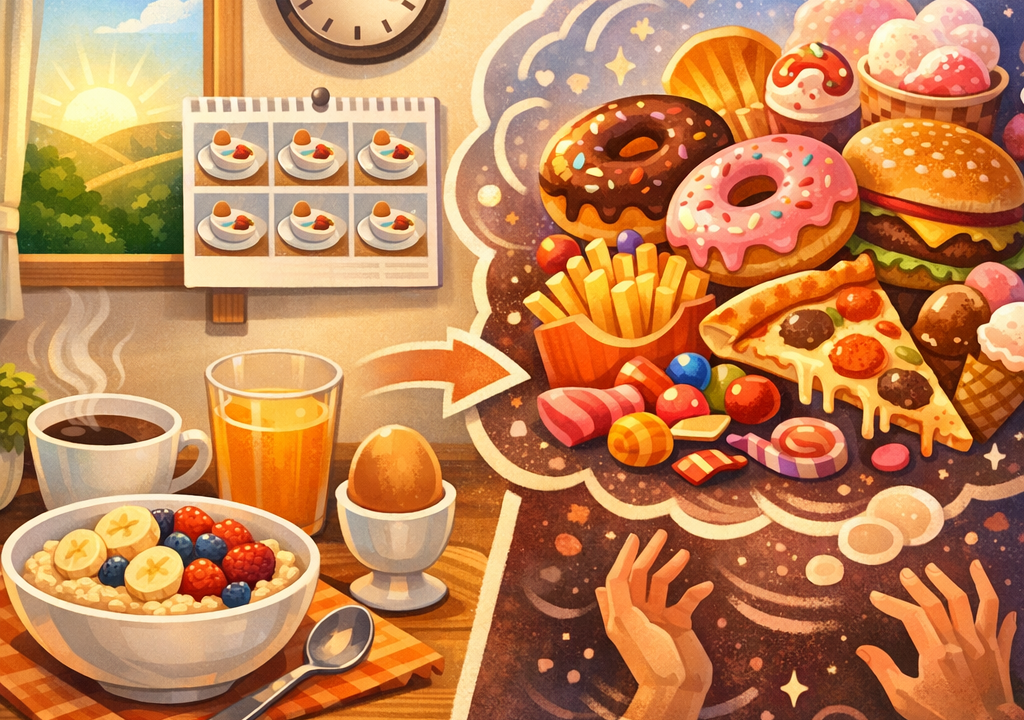
Discover the secret to curbing daily cravings with a simple yet powerful breakfast routine. By eating the same nutritious breakfast every morning, you create a sense of stability and satisfaction that can prevent unnecessary snacking and temptations throughout the day. Transform your mornings and watch your cravings disappear. Ready to give it a try?

The Role of Routine in Reducing Decision Fatigue Around Food
In today’s fast-paced world, decision fatigue is a common hurdle, especially around food choices. Embrace the power of routine to simplify your meals and boost your energy. By automating decisions, you free your mind to focus on what truly matters. Discover how establishing a meal routine can transform your daily life.
