Enhanced Paragraph:
**Why You Crave Sugar After Salty Meals: Understanding the Sweet and Salty Connection**
We’ve all been there: after enjoying a salty, savory meal, you suddenly crave something sweet. This common occurrence highlights the fascinating relationship between our taste buds and food cravings. But what’s the science behind this? Let’s explore why your body craves sugar after a salty dish.
### The Balancing Act of Taste Buds
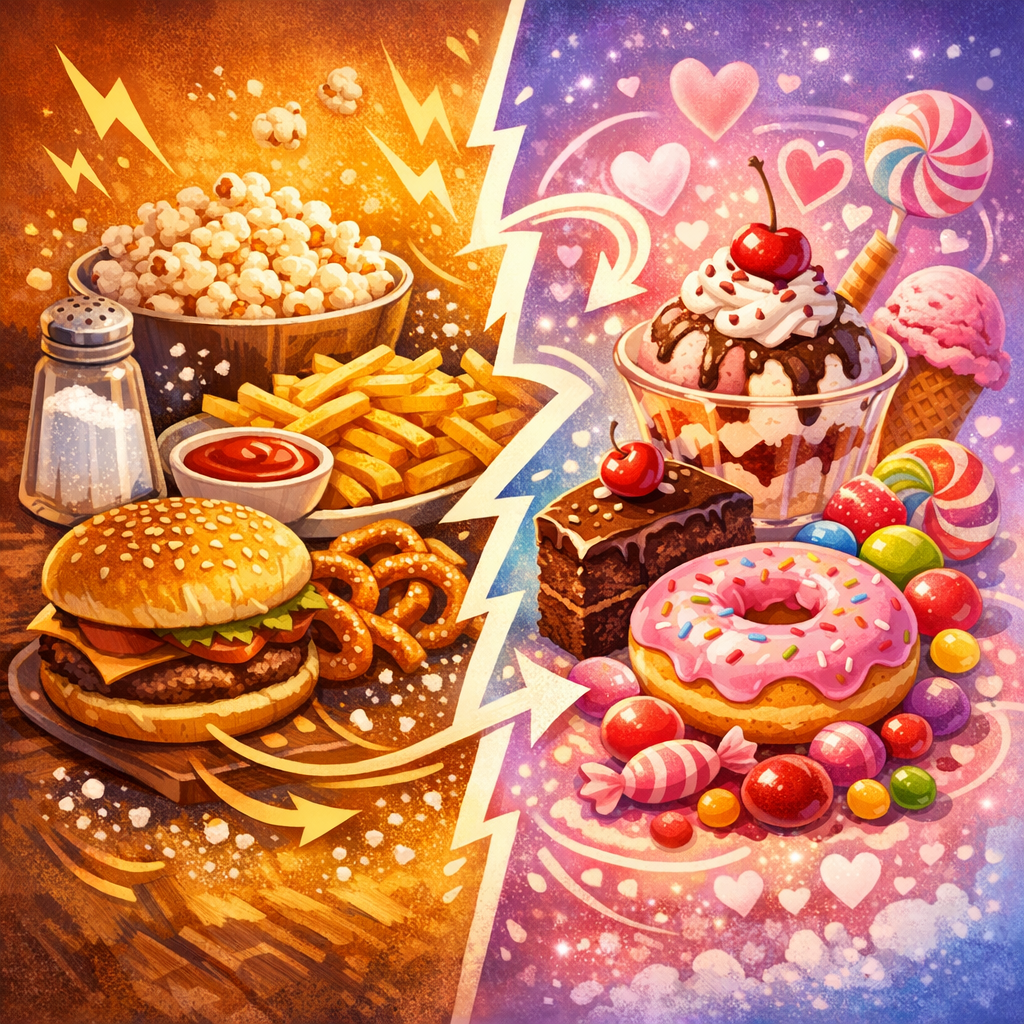
Understanding why we crave sugar after salty foods begins with recognizing the balancing nature of our taste buds. Our palate instinctively seeks equilibrium. After consuming salty foods, your taste buds may desire something sweet to restore balance. This interaction between sweet and salty flavors is not just a culinary delight; it’s a biological mechanism. According to Dr. Jane Simmons, a noted nutritionist, “Salt enhances the taste of sweetness, creating a dynamic duo that chefs often leverage.” For example, adding a pinch of salt in desserts can intensify sweetness. Likewise, after a salty meal, our bodies naturally crave sugar to regain harmony.
### The Brain’s Reward System
Cravings are intricately linked to the brain’s reward system and are not solely based on our taste buds. Both salt and sugar trigger the release of pleasure-inducing chemicals such as serotonin and dopamine, which provide satisfaction and enjoyment. Once you’ve finished a salty meal, your brain’s reward system may urge you to complete the sensory experience with something sweet. Moreover, sugar acts as a quick energy source, essential when salt dehydrates your body, consuming energy. This biological drive significantly influences our desire for sugar after salty meals.
### Dehydration’s Role in Cravings
Salt intake heavily impacts the body’s hydration levels. Consuming salty foods can lead to mild dehydration, which might be confused with sugar cravings. The link between salt, hydration, and sugar cravings is complex. As your body tries to rehydrate and restore balance, it may mistakenly interpret dehydration signals as hunger or sugar cravings. For example, dehydration can increase the allure of sugary drinks or foods, as they are often linked with rehydration.
### Psychological Triggers and Habits
In addition to biological factors, psychological elements and habits play a significant role in cravings. For many, the salty-sweet combination offers comfort, especially during celebrations where meals frequently end with a dessert. Over time, these patterns become ingrained habits, conditioning our brains to crave sweets after salty foods. Social cues and emotional triggers can also steer you toward sugar, even when your body doesn’t need it. Emotional eating, often a response to stress, boredom, or pleasure, can drive these cravings.
### Tips to Manage Sugar Cravings After Salty Meals
While understanding these cravings can be enlightening, managing them involves several practical strategies:
1. **Stay Hydrated**: Since dehydration can exacerbate sugar cravings, ensure you drink enough water throughout the day. Drinking water before, during, and after meals helps maintain good hydration.
2. **Practice Mindful Eating**: Incorporate mindfulness by balancing your meals with protein, fiber, and healthy fats. This balance helps stabilize blood sugar and reduce cravings.
3. **Opt for Healthy Alternatives**: When cravings hit, choose healthier sweet options. Fresh fruit, dark chocolate, or yogurt with honey can satisfy your sweet tooth without excessive sugar intake.
4. **Break Unhealthy Habits**: Identify patterns that lead to sweet cravings and replace them with healthier habits. Recognize emotional cues and try alternative coping strategies like a walk or relaxation.
5. **Reduce Salt Consumption**: Cutting back on salt can lessen the intensity of sugar cravings. Choose low-sodium options when possible and be cautious about the salt content in processed foods.
### Conclusion: Embracing Balanced Eating
Understanding why you crave sugar after salty meals underscores the importance of balanced eating—not only in flavors but also in overall health. By recognizing cues from both body and mind and adopting mindful eating habits, you can tackle these cravings without guilt. The key is to appreciate the interconnectedness of flavors, physiological processes, and psychological habits, using this awareness to create a harmonious eating experience.
Enhanced readability and understanding of cravings after salty meals empower us to make informed dietary choices.
Related posts

Why Meal Prep Works for Some People—and Fails for Others
Are you tired of the daily “What’s for dinner?” conundrum? Discover why meal prep is a game-changer for some, yet a stumbling block for others. Learn the secrets to successful meal prep, tailored to fit your lifestyle, and transform your kitchen routine from chaos to blissful efficiency. Dive in and simplify your evenings!
The “Clean Plate Satisfaction” Myth Explained
Discover the truth behind the “Clean Plate Satisfaction” myth! Are you overfilling your plate for a sense of fulfillment? Uncover the surprising psychology and long-term effects on health and happiness. Transform your eating habits with mindful choices that boost satisfaction without overeating. Click to revolutionize your relationship with food today!
