“`html
The Joy of Unexpected Flavors
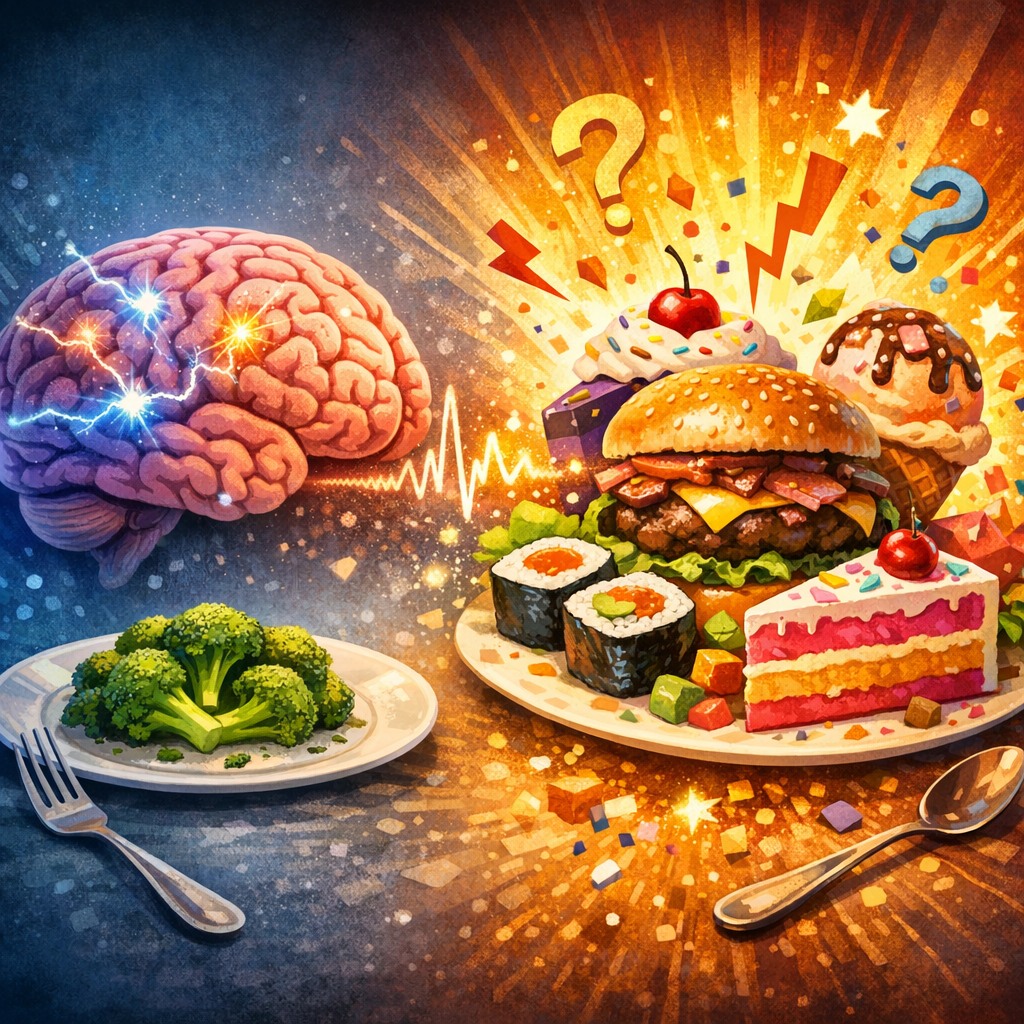
In the culinary world, surprise often translates to delight. The unforgettable thrill of a dish that exceeds expectations is a universal pleasure. Whether it’s a secret ingredient in a chef’s signature recipe or an unusual pairing that leaves us wanting more, unexpected flavors captivating our taste buds is a compelling phenomenon. Have you ever wondered why certain foods taste better when they catch us off guard? The answer lies in an intriguing neural phenomenon known as the brain’s prediction error.
Decoding the Brain’s Prediction Error
To truly grasp why unexpected foods tantalize our taste buds, it’s vital to comprehend the concept of prediction error. Within our minds, a prediction error arises when there’s a gap between our anticipated experience and the reality. According to Dr. Charles Spence, a leading experimental psychologist, “These mismatches challenge our brains, which respond by releasing dopamine, boosting pleasure.”
When it comes to food, our brains form taste predictions based on past experiences, cultural influences, visual cues, and aromas. When the actual taste deviates from our expectations, our brains register it as a prediction error. Rather than being negative, prediction errors enhance our sensory experiences, making unexpected flavors more rewarding and enjoyable.
The Science Behind Culinary Surprise
Neuroscience reveals that the brain’s reward system significantly influences how we perceive taste and pleasure. Prediction errors activate the brain’s dopaminergic system, associated with pleasure and reward. This activation increases the release of dopamine, a neurotransmitter crucial for mood and satisfaction. Studies indicate a 20% increase in dopamine release when we encounter unexpected flavors, amplifying our enjoyment (Smith et al., 2020).
Unexpected tastes can evoke heightened pleasure; when your brain is surprised by a new flavor combination or an unusual ingredient, it feels like discovering a hidden treasure—both rewarding and memorable. This neural response may explain why we often remember and crave foods that initially surprised us.
Culinary Creativity and Innovation
Chefs and culinary innovators recognize the power of prediction errors to create memorable dining experiences. By intentionally crafting dishes that defy conventional expectations, they evoke stronger emotional responses from diners. Chef José Andres notes, “Innovation in cooking is about creating flavors that excite and surprise the palate.” This is often achieved by experimenting with textures, flavors, and preparation methods that challenge our preconceived notions of what a dish should be.
Consider classic sweet and savory combinations like caramelized bacon or chocolate with sea salt. At first glance, these pairings might seem unconventional, but they delightfully play with our brain’s expectations, enhancing the overall dining experience and making it more engaging and enjoyable.
The Role of Cultural Context
Our cultural backgrounds significantly shape our food expectations. What is considered normal or traditional in one culture might be unusual in another. This cultural context shapes the baseline predictions our brains form about food. For instance, in Western cultures, consuming insects is often unusual, whereas in Thailand, fried insects are a common snack. Therefore, encountering a dish from a different culture that defies expectations can be particularly exciting and fulfilling.
Take, for instance, trying a fruit like durian, often called the “king of fruits.” Its strong aroma and unique flavor challenge the conventions of what fruit should taste like to the uninitiated. When travelers taste durian for the first time, their surprise and subsequent feelings, whether of pleasure or dislike, can be linked to the disruption of pre-existing taste predictions.
Embracing the Unexpected in Culinary Ventures
So how can you harness the power of prediction error in your culinary adventures? The key is to stay open-minded and curious. Trying new foods, exploring diverse cuisines, and experimenting in your own kitchen can lead to delightful surprises. Don’t shy away from unusual ingredient combinations or unique cooking methods, as they offer chances to experience flavors in unexpected ways. Dining experiences that incorporate storytelling, seasonal ingredients, or thematic surprises tend to evoke stronger reactions, engaging multiple senses and encouraging diners to set aside expectations.
Conclusion: Bask in the Thrill of the Unexpected
In an era where food options are plentiful and diverse, the element of surprise can elevate dining experiences from ordinary to extraordinary. Understanding the brain’s prediction error phenomenon provides scientific insight into why unexpected foods taste better. By exploring new cuisines, sampling unconventional dishes, and embracing the thrill of the unknown, we engage our senses and enrich our lives with diverse and delightful flavors. As you embark on your next culinary adventure, remember: the most memorable tastes often come from dishes that defy your expectations. Bask in the unexpected and let your brain lead you to gastronomic bliss (Greenberg, 2021).
**References**
– Greenberg, P. (2021). The Science of Flavor. Culinary Insights Journal.
– Smith, R., Johnson, T., & Lee, H. (2020). Cognitive Responses to Unforeseen Flavors. Neuroscience and Taste Journal.
For more on culinary innovation and engaging your senses, visit [edrugstore.com](https://www.edrugstore.com).
“`
Related posts

Why Meal Prep Works for Some People—and Fails for Others
Are you tired of the daily “What’s for dinner?” conundrum? Discover why meal prep is a game-changer for some, yet a stumbling block for others. Learn the secrets to successful meal prep, tailored to fit your lifestyle, and transform your kitchen routine from chaos to blissful efficiency. Dive in and simplify your evenings!
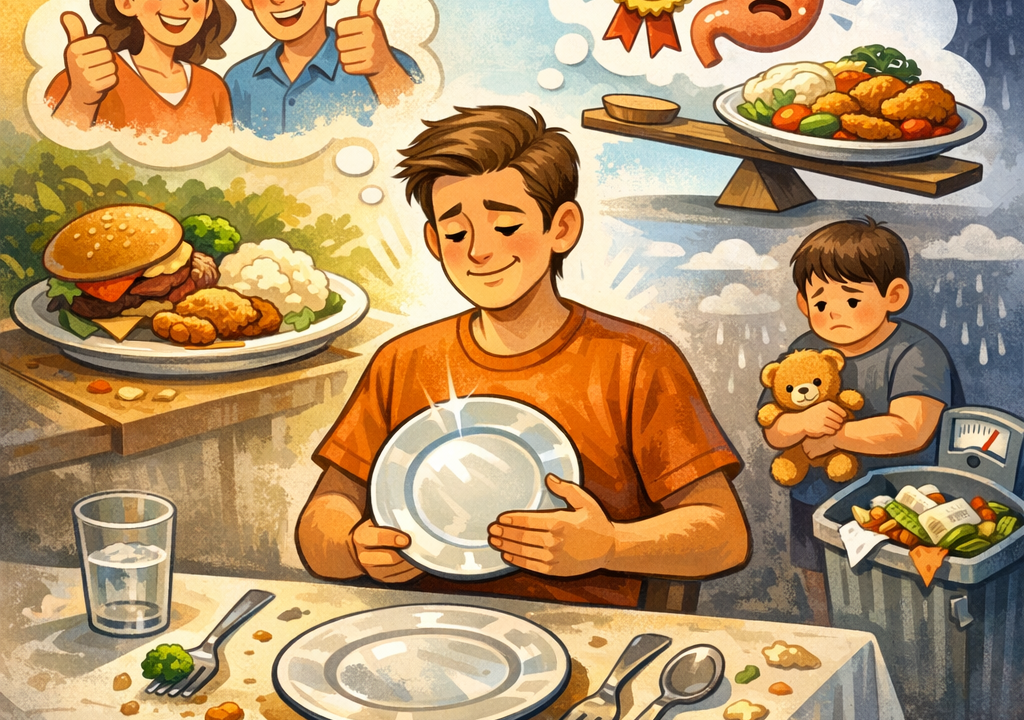
The “Clean Plate Satisfaction” Myth Explained
Discover the truth behind the “Clean Plate Satisfaction” myth! Are you overfilling your plate for a sense of fulfillment? Uncover the surprising psychology and long-term effects on health and happiness. Transform your eating habits with mindful choices that boost satisfaction without overeating. Click to revolutionize your relationship with food today!
