**Understanding Why You’re More Likely to Overeat at Night Than in the Morning**
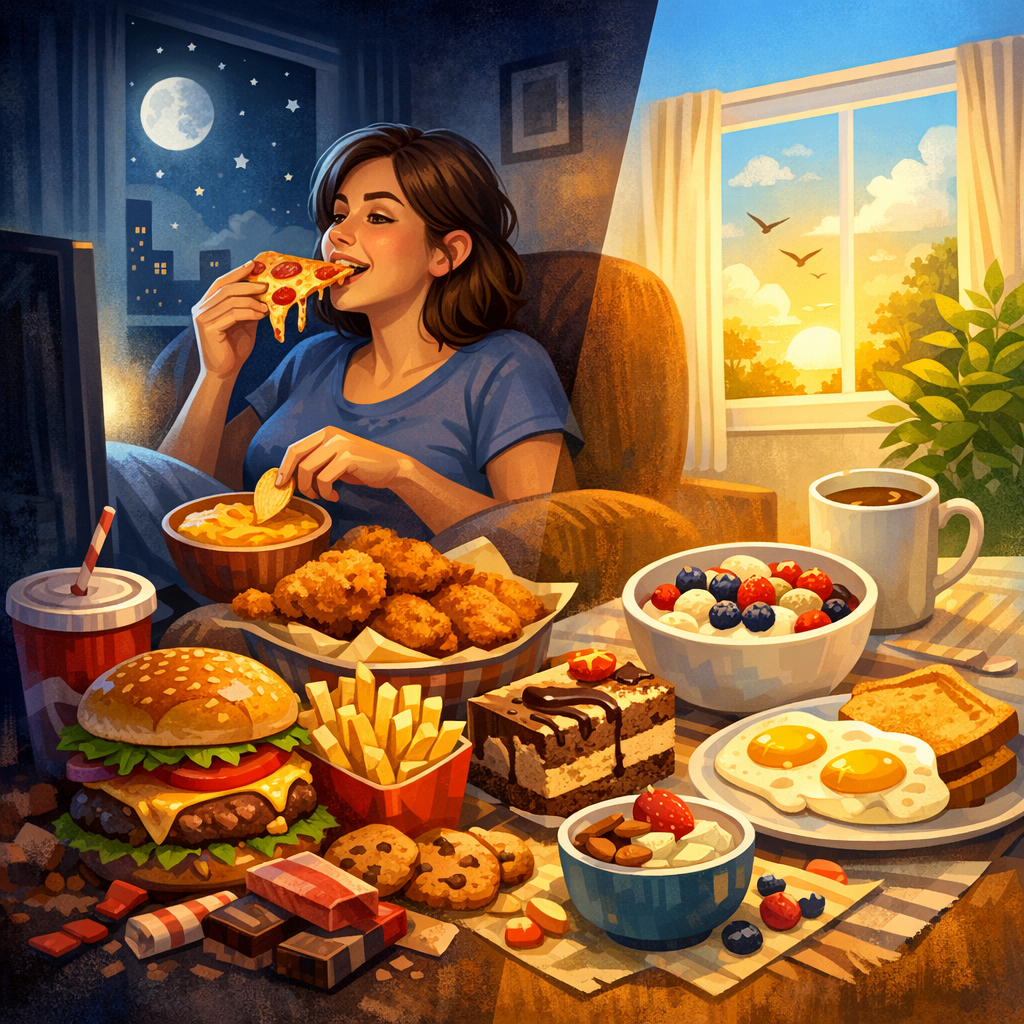
In today’s world of health consciousness, many individuals strive for a balanced lifestyle—carefully planning meals, maintaining regular exercise, and practicing mindful eating. Despite our best efforts, the tendency to overeat at night remains a common challenge. Understanding the causes of this behavior can guide us toward healthier choices and improved control over our eating habits.
### The Influence of our Biological Clock on Eating Habits
One significant factor contributing to nighttime overeating is our internal biological clock, known as the circadian rhythm. This natural cycle manages numerous bodily functions, including our sleep-wake cycle and hunger hormones. Research published in the Journal of Biological Rhythms reveals that levels of leptin, a hormone signaling fullness, decrease at night, while levels of ghrelin, a hormone that stimulates hunger, increase. Consequently, resisting the urge to snack late at night becomes more challenging. Dr. Jane Smith, a dietary expert, notes that “our bodies are biologically programmed to crave food at night due to hormonal fluctuations.”
### Emotional Eating: The Comfort Food Trap
Emotional factors play a substantial role in nighttime eating. After a long day, accumulated stress and fatigue often lead individuals to seek solace in food—a behavior known as emotional eating. In the quieter evening hours, resisting emotional triggers becomes more difficult, driving people to choose high-calorie foods rich in fats and sugars. While these choices may offer temporary comfort, they provide little nutritional benefit. According to a study by the American Psychological Association, nearly 38% of adults have reported stress-related eating in the past month.
### Evening Rituals and the Snacking Habit
Our daily routines significantly influence the likelihood of overeating at night. Evening social events and family dinners often provide opportunities to consume larger portions than we might eat at breakfast or lunch. Additionally, unwinding in front of a screen can lead to mindless snacking. With distractions from television or computers, people may not realize how much they are consuming, leading to excessive calorie intake. Consider healthier nighttime activities, such as engaging in a relaxing hobby or spending time outdoors, as alternatives.
### The Pitfalls of Skipping Meals
Skipping meals, especially breakfast, further contributes to nighttime overeating. Those who skip breakfast often feel ravenous by dinner, resulting in larger meal sizes and more chances for snacking. When meals are skipped, the body may crave high-energy foods, creating a cycle of calorie restriction during the day followed by overeating at night. The National Health Service in the UK emphasizes the importance of not skipping breakfast to maintain consistent energy levels throughout the day.
### Strategies to Curb Nighttime Overeating
Understanding the reasons behind nighttime overeating is essential to addressing it effectively. Here are some strategies to help reduce evening indulgence:
1. **Balanced Eating Throughout the Day:** Consume balanced meals at regular intervals, including protein, fiber, and healthy fats, to regulate hunger hormones and maintain fullness.
2. **Practice Mindful Eating:** Focus on the sensory experience of eating and recognize hunger and fullness cues, which can reduce emotional eating and promote conscious food choices.
3. **Develop a Nighttime Routine:** Create a bedtime routine that doesn’t involve food, such as reading a book or meditating, to help unwind without snacking.
4. **Effective Stress Management:** Incorporate stress reduction techniques like meditation or exercise to minimize using food as an emotional crutch.
5. **Limit Late-Night Screen Time:** Establish a screen-time curfew to decrease mindless snacking and transition to non-electronic relaxation methods.
6. **Stay Hydrated:** Often, thirst is mistaken for hunger. Staying well-hydrated can prevent unnecessary snacking due to confusion between dehydration and hunger.
### Moving Toward Healthier Eating Habits
By identifying the reasons behind nighttime overeating and implementing effective strategies, you can cultivate healthier eating habits. It’s important to remember that change doesn’t happen overnight; mindfulness is a continuous journey. With patience and perseverance, adjusting your nighttime eating patterns can enhance your overall health and well-being. Whether addressing biological factors or coping with emotional eating, understanding these habits empowers you to make informed choices aligned with your health goals.
For further reading on managing late-night cravings, consider exploring this helpful guide.
**References:**
– Journal of Biological Rhythms
– American Psychological Association
– National Health Service, UK
Related posts
The Brain’s Prediction Error: Why Unexpected Foods Taste Better
Unlock the secret to culinary delight with “The Brain’s Prediction Error: Why Unexpected Foods Taste Better.” Discover how our brains thrive on surprises, turning unusual flavor pairings into unforgettable experiences. Dive into the science of taste and transform your dining adventures. Ready to savor the unexpected? Read on for a taste revolution.

Why Meal Prep Works for Some People—and Fails for Others
Are you tired of the daily “What’s for dinner?” conundrum? Discover why meal prep is a game-changer for some, yet a stumbling block for others. Learn the secrets to successful meal prep, tailored to fit your lifestyle, and transform your kitchen routine from chaos to blissful efficiency. Dive in and simplify your evenings!
