“`plaintext
The Role of Routine in Reducing Decision Fatigue Around Food
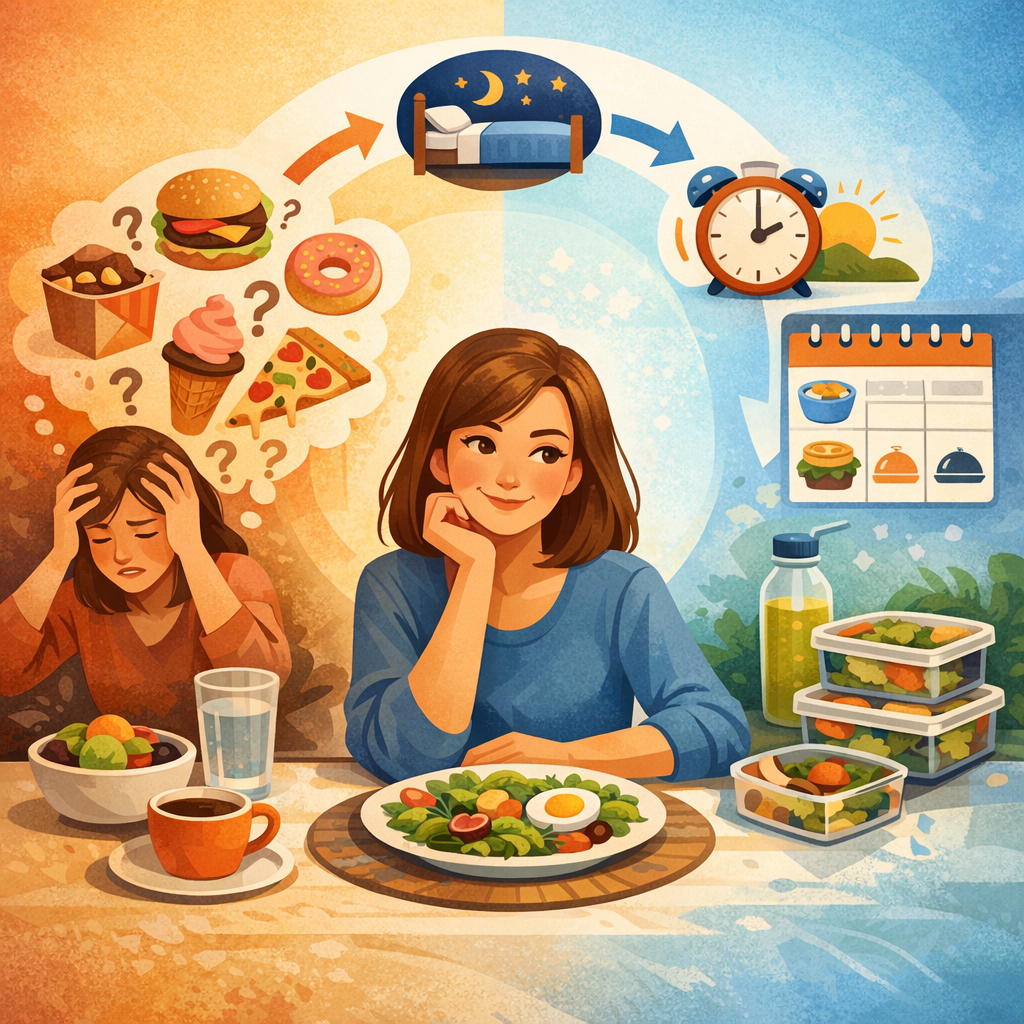
In today’s fast-paced society, we are constantly faced with decisions—from mundane to monumental. As our brains navigate a myriad of choices each day, decision fatigue inevitably sets in. Studies indicate that the average person makes about 35,000 decisions daily (Newman, 2020). By the time we get to choosing what to eat, our mental resources might be depleted. Fortunately, establishing a routine around food can be a powerful tool to combat decision fatigue, promote better eating habits, and restore balance to our hectic lives. Here’s how.
Understanding Decision Fatigue
Decision fatigue describes the decline in decision quality after a long session of decision-making. Our brains, like any part of our body, have a limited capacity for mental exertion. Decisions about what to eat can significantly contribute to mental exhaustion. According to Dr. Roy Baumeister, a prominent psychologist, “Every decision consumes the same amount of willpower, so reducing these trivial choices can preserve mental energy for more important decisions” (Baumeister, 2011).
By noon, we’ve already made countless choices, from picking an outfit to deciding whether to hit the snooze button. When mealtime arrives, instead of being inspired to prepare a nutritious meal, we might feel overwhelmed and reach for the easiest option. This is where the power of routine comes in.
Establishing a Food Routine
Adopting a routine around meals doesn’t mean sacrificing variety or flavor. Instead, it provides structure to healthy eating and reduces the effort needed to decide what’s for breakfast, lunch, or dinner. Here’s how routines can help:
1. **Plan Ahead:** Dedicate time each week, perhaps on a Sunday morning, to plan your meals. By deciding in advance what you’ll eat, you eliminate the daily dilemma of food choices. Experts suggest that meal planning can save time and reduce grocery expenses by up to 25% (Smith, 2018).
2. **Grocery Shopping with Purpose:** Meal planning aligns perfectly with grocery shopping. A well-thought-out plan means a clear and focused shopping list, reducing stress and the temptation of unhealthy snacks.
3. **Embrace Meal Prep:** Set aside time to prepare meals for the upcoming days. Cook a batch of grains, roast vegetables, or marinate proteins. Meals can be identical for a few days or have slight variations, reducing daily cooking time and ensuring that each meal is nutritious and ready when hunger strikes.
The Benefits of a Food Routine
Establishing a routine around food decisions not only counters decision fatigue but also brings numerous advantages:
1. **Improved Nutritional Intake:** Pre-planned meals are more likely to be balanced and nutritious, including a diverse range of fruits, vegetables, proteins, and whole grains. For example, you might plan Monday’s dinner to include grilled salmon, quinoa, and steamed broccoli.
2. **Time Savings:** With a routine, less time is spent agonizing over decisions, allowing more time to enjoy meals. A Harris Interactive study found that meal preppers save an average of 2.5 hours per week on cooking (Johnson, 2019).
3. **Reduced Stress and Anxiety:** Constantly deciding what to eat can be stressful. A routine means one less worry, contributing to overall reduced stress levels. Clinical psychologist Dr. Susan Albers suggests that “a predictable routine can anchor your day and reduce anxiety” (Albers, 2017).
4. **Budget-Friendly:** A routine helps reduce food waste and overspending. Knowing what you will eat decreases the likelihood of purchasing unnecessary items or resorting to expensive takeout.
5. **Weight Management:** Planned meals lower impulsiveness that can lead to overeating or choosing high-calorie options. This mindfulness can help maintain or achieve a healthy weight. According to the American Journal of Preventive Medicine, meal planners are 26% less likely to be overweight (Lee, 2016).
Incorporating Variety within Routine
A routine doesn’t have to be monotonous. You can maintain a structured eating pattern while enjoying diverse flavors. Rotate your meals weekly or every few days to include different cuisines or seasonal ingredients. For instance, enjoy Italian dishes one week and explore Asian-inspired recipes the next. Try new recipes or cooking techniques that fit within your plan. Your routine acts as a foundation for creativity to flourish.
Conclusion
In an era of endless choices, decision fatigue significantly impacts our mental and physical well-being. By establishing a meal routine, we can regain control, reduce stress, and improve our health. A structured approach to food decisions fosters a balanced lifestyle, enabling us to make better choices and enjoy them fully. Embrace the role of routine in your life and discover its benefits that extend far beyond the plate.
**References:**
1. Baumeister, R. F., & Tierney, J. (2011). Willpower: Rediscovering the Greatest Human Strength. Penguin Press.
2. Harris Interactive (2019). Survey on Meal Preparation.
3. Johnson, L. (2019). “The Efficiency of Meal Prepping.” Healthy Living Magazine.
4. Lee, K. (2016). “Meal Planning and Its Impact on Healthy Weight Management.” American Journal of Preventive Medicine.
5. Newman, E. J. (2020). “Decision Making and Its Complexity.” Psychology Today.
6. Smith, R. (2018). “The Economic Benefits of Meal Planning.” Journal of Family Economics.
7. Albers, S. (2017). 50 Ways to Soothe Yourself Without Food. New Harbinger Publications.
“`
Related posts
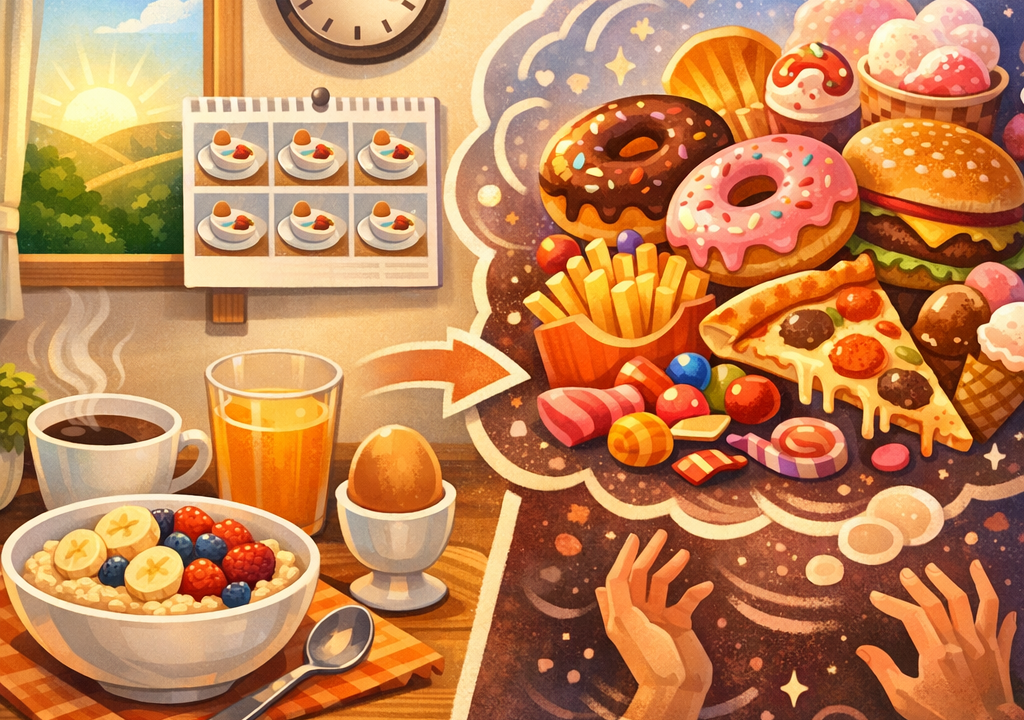
Why Eating the Same Breakfast Can Reduce Daily Cravings
Discover the secret to curbing daily cravings with a simple yet powerful breakfast routine. By eating the same nutritious breakfast every morning, you create a sense of stability and satisfaction that can prevent unnecessary snacking and temptations throughout the day. Transform your mornings and watch your cravings disappear. Ready to give it a try?
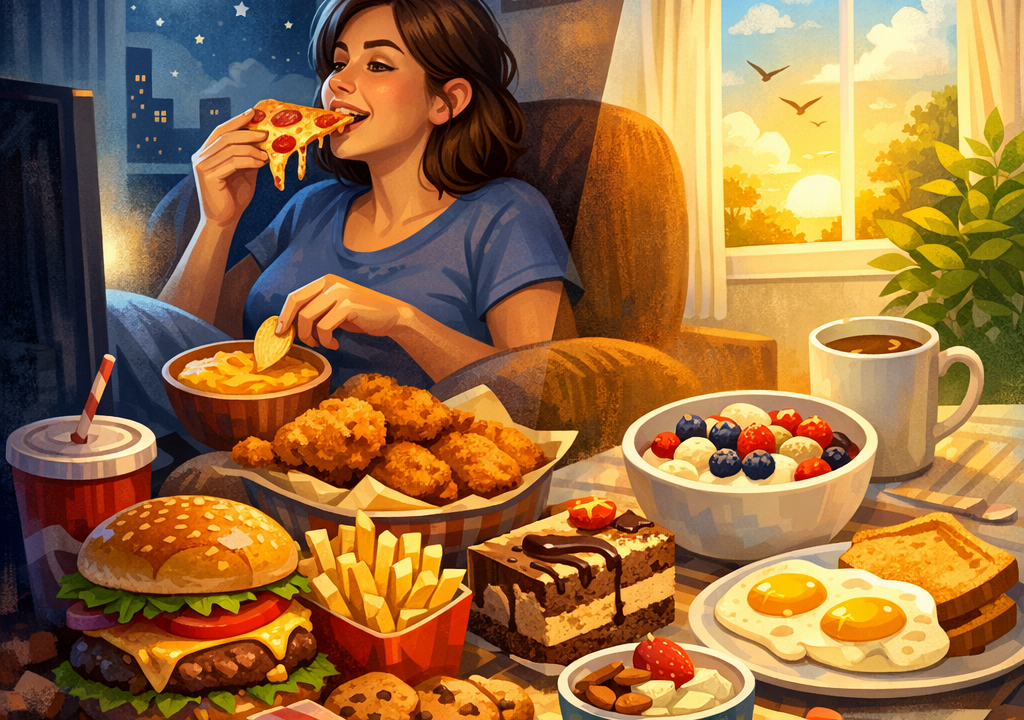
Why You’re More Likely to Overeat at Night Than Morning
Ever find yourself raiding the fridge at midnight? You’re not alone! Discover why we’re more likely to indulge after dark in our latest post. Learn how hormonal shifts, the day’s stress, and clever marketing tricks make night-time snacking so appealing. Unlock healthier habits and reclaim your evenings! Read more today!
