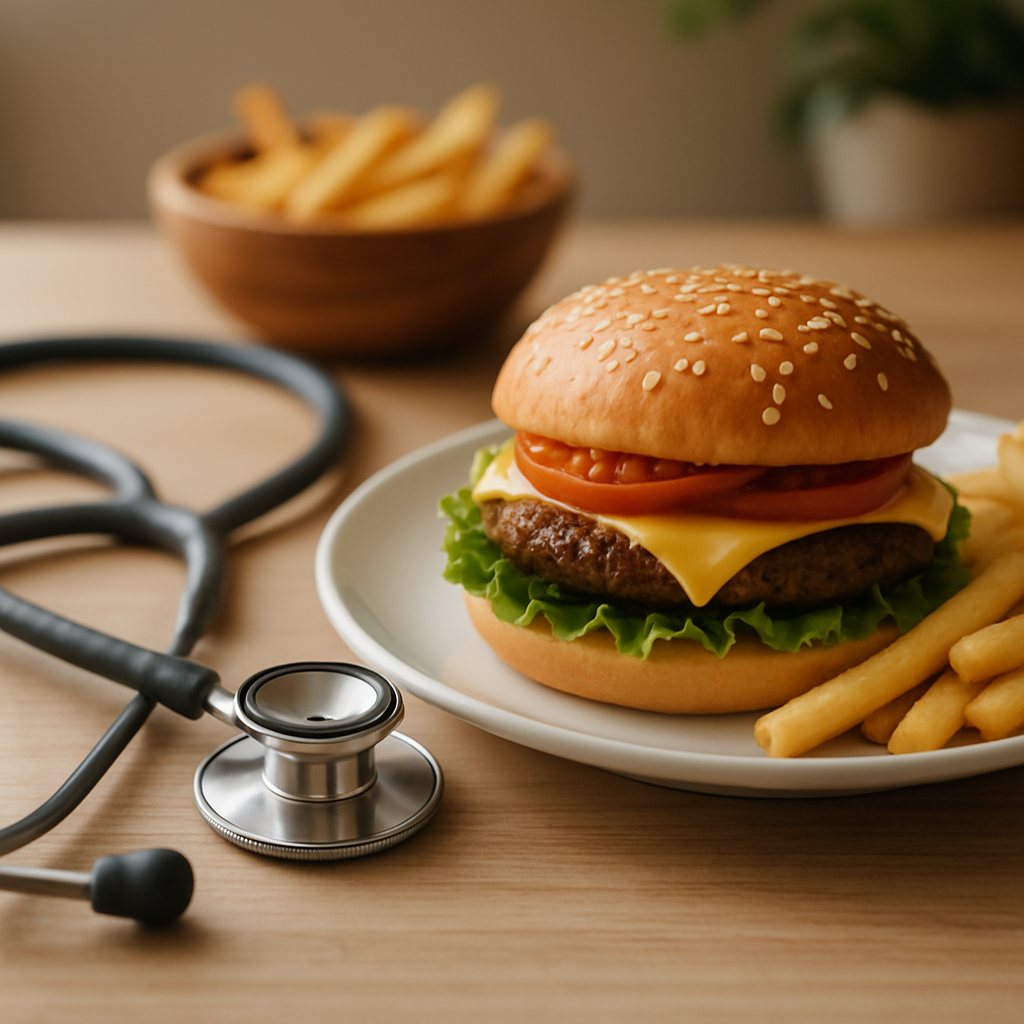
The connection between leptin and cheat meals is one of the more fascinating reasons why your body sometimes demands that slice of pizza on day twelve of a strict diet. Leptin is a hormone that helps regulate hunger, energy expenditure, and how stubborn your fat stores feel. When you diet hard, leptin drops fast, and that’s when refeed days start earning their keep.
Let’s unpack the hormone science behind strategic indulgences and why a planned cheat could be more biology than betrayal.
What Leptin Actually Does
Leptin is produced mostly by your fat cells. Think of it as a status report your fat tissue sends to your brain saying, "We have plenty of fuel, you can ease up."
When leptin levels are high, your appetite calms down and your metabolism stays brisk. When leptin drops, your brain interprets that as a fuel shortage. Hunger climbs, energy dips, and your body becomes remarkably efficient at storing whatever you eat next.
This system worked beautifully when humans faced real famines. It’s less convenient when you’re trying to fit into jeans by June.
Why Dieting Tanks Your Leptin
Within just a few days of a calorie deficit, leptin levels can fall significantly, sometimes more than body fat loss alone would predict[^1]. That’s because leptin responds not just to fat stores, but also to immediate carbohydrate and calorie intake.
This drop triggers what researchers call "adaptive thermogenesis": your body burns fewer calories at rest, your thyroid output dips slightly, and cravings spike. You may notice you’re colder, more tired, or weirdly obsessed with food photos on Instagram.
None of this means your diet is broken. It means your hormones are doing exactly what they evolved to do.
How Leptin and Cheat Meals Interact
Here’s where strategic refeeds come in. A short-term increase in calories, especially from carbohydrates, can temporarily raise leptin levels[^2]. Carbs trigger insulin, and insulin appears to stimulate leptin production more reliably than fat or protein.
A single large meal probably won’t fully "reset" leptin, but a planned high-carb day (or two) might nudge the hormone enough to:
- Reduce hunger in the days that follow
- Restore some training intensity and energy
- Give your psyche a much-needed break from restriction
The key word is planned. A leptin-informed cheat meal is intentional, timed, and built into your overall calorie budget for the week.
Structuring a Refeed That Actually Helps
Random binges don’t get you the hormonal benefit, they just get you a stomachache. A structured refeed looks more like this:
Lean into carbs, not fat. Pasta, rice, bread, fruit, and even desserts work better than heavy, greasy meals. Carbs do more for leptin than equivalent calories from fat.
Keep protein steady. Don’t skip protein just because it’s refeed day. Maintaining your usual intake helps preserve muscle.
Bump calories to maintenance or slightly above. You don’t need to triple your intake. Going from a deficit up to maintenance for 24 hours is often enough to feel the benefits.
Time it around training. A refeed before or after a hard workout means more of those carbs replenish glycogen rather than parking themselves as fat.
For more on the metabolic adaptations involved, the Examine.com overview of leptin is a solid evidence-based resource.
Who Benefits Most From Refeeds
Lean dieters benefit the most. If you’re already at a low body fat percentage and have been dieting for weeks, your leptin is likely suppressed, and a refeed can make a real difference.
If you’re earlier in a fat loss phase or carrying more body fat, leptin suppression is less severe, and you may not need scheduled refeeds at all. In that case, an occasional cheat meal is more about psychological sustainability than hormone strategy.
Listen to the signals: persistent cold hands, flat workouts, dropping libido, and obsessive food thoughts often mean it’s time for a refeed.
The Mental Side Matters Too
Leptin isn’t the only hormone in the picture. Ghrelin (hunger), cortisol (stress), and dopamine (reward) all play a role in why diets feel hard.
A well-timed cheat meal hits multiple targets at once: it nudges leptin, eases cortisol from constant restriction, and delivers a dopamine reward that makes the next stretch of clean eating feel doable. The biology and psychology reinforce each other.
Bringing It All Together
The science of leptin and cheat meals shows that refeeds aren’t a loophole, they’re a tool. When you understand what’s happening hormonally, an intentional indulgence stops feeling like failure and starts feeling like strategy.
Plan it, enjoy it, and get back to your routine. Your hormones will thank you, and so will your long-term progress.
—
References & Footnotes
[^1]: Rosenbaum, M., & Leibel, R. L. (2014). 20 years of leptin: role of leptin in energy homeostasis in humans. Journal of Endocrinology, 223(1), T83-T96.
[^2]: Dirlewanger, M., et al. (2000). Effects of short-term carbohydrate or fat overfeeding on energy expenditure and plasma leptin concentrations in healthy female subjects. International Journal of Obesity, 24(11), 1413-1418.
- Examine.com, Leptin: https://examine.com/topics/leptin/
- Friedman, J. M. (2019). Leptin and the endocrine control of energy balance. Nature Metabolism, 1(8), 754-764.
