
## The Psychology of “Saving Calories” for Later: Understanding Our Inner Negotiations
In the realm of nutrition and weight management, the concept of “saving calories” has become a favored strategy among those aiming to control their weight. This method involves consuming fewer calories earlier in the day with the intention of indulging later—perhaps at a social gathering or during a larger meal. While this might appear to be a straightforward way to manage calorie intake, the psychological intricacies behind it are quite complex. Let’s delve into the psychology of “calorie banking” and how our minds engage in these dietary negotiations.
### The Allure of Future Indulgence
A primary psychological driver behind saving calories is the anticipation of future indulgence. This aligns closely with the idea of delayed gratification, where individuals forsake immediate pleasures for a more rewarding experience later. By conserving calories today, people are looking forward to a pleasurable indulgence in the future—such as relishing a luxurious dessert or delighting in a festive dinner with friends. Research from the Journal of Consumer Research suggests that the anticipation of an event can often be more pleasurable than the event itself, driving the excitement for future indulgences.
Renowned psychologist Dr. Walter Mischel states, “The ability to delay gratification and focus on future rewards is a crucial aspect of self-control.” With this anticipation, the promise of future enjoyment becomes a powerful motivator for calorie restriction.
### Cognitive Dissonance and Self-Control
Cognitive dissonance, which occurs when there is a conflict between beliefs and actions, also plays a role in the calorie-saving strategy. People may desire indulgence but also prioritize healthy eating and fitness. To reconcile this inconsistency, they often restrict calories earlier as a self-regulation strategy. This approach acts as a compromise, enabling them to uphold their beliefs while satisfying their cravings.
Self-control is pivotal in this psychological process. Resisting immediate temptation to achieve long-term goals demands significant willpower. Although saving calories involves self-control, it can occasionally backfire. As noted by the American Psychological Association (APA), prolonged restraint may lead to overeating when the anticipated indulgence finally occurs.
### The Role of Reward Systems
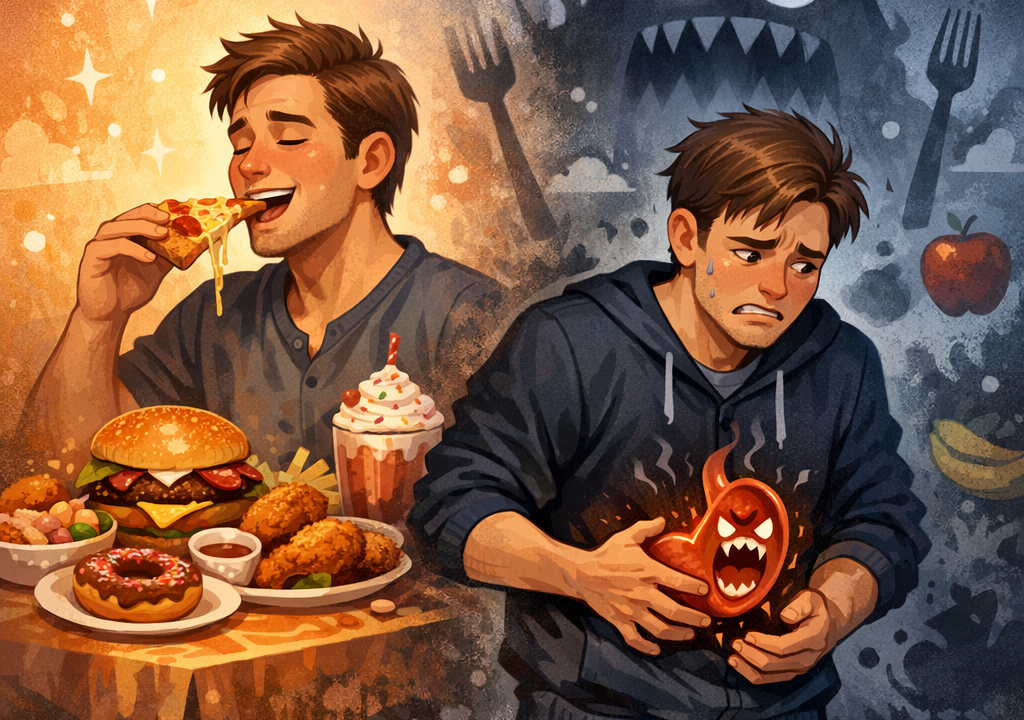
The brain’s reward system plays a significant part in saving calories. Foods high in sugar, fat, and salt trigger the release of dopamine, a neurotransmitter linked to pleasure and reward. By saving calories, individuals set the stage for a future dopamine surge, reinforcing their behavior of restricting now for a payoff later. However, this reward system can be a double-edged sword, as the strong allure of high-reward foods may lead to overeating during indulgence periods, negating earlier calorie savings. Thus, understanding the brain’s reward pathways can explain why strict dieting plans often fail and why moderation is often more effective than stringent restriction.
### Behavioral Economics and Calorie Saving
Behavioral economics provides insights into calorie-saving behavior through concepts like opportunity cost and future discounting. Opportunity cost involves recognizing the value of the next best alternative foregone. When saving calories, individuals weigh the cost of consuming fewer calories now against the anticipated enjoyment of more food later. Behavioral economist Richard Thaler points out, “Thinking in terms of opportunity cost helps prioritize decisions based on their potential value.”
Future discounting describes how people tend to undervalue future rewards compared to immediate ones. Though the idea of a tasty meal later is appealing, immediate temptation can easily overpower when willpower dwindles or fatigue sets in. This principle highlights why calorie-restriction strategies may falter when faced with immediate gratification.
### Emotional Eating and Calorie Banking
Emotions greatly influence eating behaviors, and calorie saving is not immune. Emotional eating can derail even the most well-thought-out plans, as stress, anxiety, or sadness can lead to unplanned consumption. When overwhelmed by emotional needs, the allure of future indulgence might lose its appeal, prompting individuals to abandon calorie-saving efforts in favor of comfort food. Conversely, feelings of guilt or regret after indulgence can motivate future calorie-saving behaviors, creating a cycle of restriction followed by overconsumption. Addressing emotional triggers is crucial for breaking this cycle and cultivating a healthier relationship with food.
### Finding Balance
Navigating the psychology of saving calories for later involves a complex interplay of anticipation, self-control, reward systems, and emotional factors. While calorie banking can be effective, it’s important to approach it holistically. Rather than rigidly restricting calories with the idea of “earning” indulgences, a balanced method that incorporates mindful eating, portion control, and emotional regulation may promote more sustainable and healthy eating habits. Embracing a flexible approach that considers both the physiological and psychological aspects of eating can foster a healthier relationship with food.
### Conclusion
Understanding the psychology behind dietary negotiations can guide us towards more informed choices and a healthier relationship with food. Instead of viewing food solely as something to be counted and bartered with, adopting a flexible mindset can lead to more fulfilling and less stressful eating habits.
For further information on maintaining a healthy lifestyle, visit [eDrugstore.com](https://www.edrugstore.com/health-news/).
Related posts

The Real Reason You Think About Food When You’re Not Hungry
Ever catch yourself daydreaming about that slice of pizza after a full meal? It’s not hunger; it’s your brain’s clever trickery! Discover the real reason behind these food fantasies and unlock the secrets to overcoming them. Click to explore the fascinating psychology that keeps you craving, even when your stomach says otherwise!
Why Hunger Feels Stronger After Highly Palatable Meals
Discover the secret behind why hunger feels more intense after indulging in that rich, savory meal. Dive into the science of how highly palatable foods trick our brains, leaving you craving more. Unravel the mystery and transform your eating habits today. Curious? Your journey to understanding irresistible hunger awaits!
