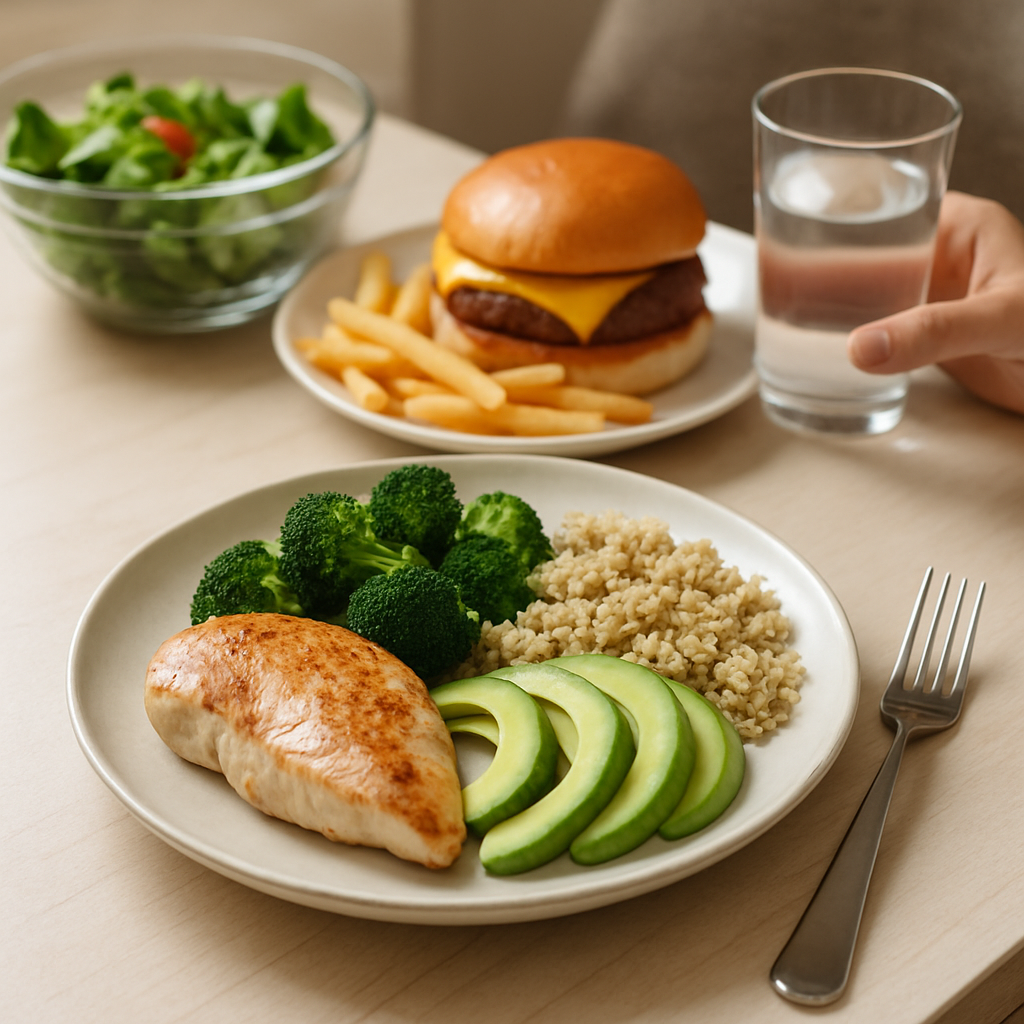
Smart cheat meal rules are what separate people who stay lean for decades from those who yo-yo through every January. An indulgence is not the enemy of progress. The absence of structure is.
If you treat cheat meals as random free-for-alls, they quietly sabotage your goals. But when guided by a few simple principles, they become a tool for adherence, hormonal balance, and long-term sanity.
Why Cheat Meal Rules Matter More Than Willpower
Willpower is finite. Research from the American Psychological Association shows that self-control is a depletable resource, especially under stress[^1].
That’s why structured cheat meal rules outperform raw discipline. They take the decision-making off your plate. You know what’s coming, when it’s coming, and how to recover.
The result? Less guilt, fewer binges, and a diet you can actually stick to for life.
Rule 1: Schedule It, Don’t Stumble Into It
Plan your indulgence at least 48 hours in advance. A scheduled cheat is a strategy. An unplanned one is usually an emotional reaction to hunger, boredom, or a hard day.
If you’re curious about timing optimization, check out cheat day timing for maximum fat loss for a deeper dive.
Rule 2: Keep It to One Meal, Not One Day
A "cheat day" easily spirals into 4,000+ calories. A single meal is usually 800-1,500 calories, manageable, enjoyable, and rarely enough to undo a week’s progress.
Rule 3: Eat Protein First
Before the pizza, before the dessert, eat a palm-sized portion of lean protein. It blunts blood sugar spikes and reduces total intake by around 20% on average.
This is also the foundation of high-protein cheat meals, which let you indulge without losing muscle or momentum.
Rule 4: Respect Your Diet’s Framework
Cheat meal rules should bend within your diet, not break it. Keto eaters need targeted carb refeeds. Whole30 followers need compliant swaps. Vegans need plant-based versions.
Your cheating should still resemble your eating philosophy 80% of the time.
Rule 5: Hydrate Before and After
Drink 16 ounces of water before your cheat meal and another 16 after. Hydration improves digestion, reduces bloating, and helps you read true hunger cues.
Rule 6: Time It Around Training
A cheat meal eaten within 2-3 hours of a hard workout is partitioned more favorably. Glycogen-depleted muscles soak up carbs instead of letting them spill into fat storage.
A short, intentional workout after eating helps too. Post-cheat meal workouts cover exactly how to do this without overtraining.
Rule 7: Honor the Hormones
Cheat meals briefly raise leptin, the hormone that tells your brain you’re well-fed. Chronic dieting suppresses leptin, slowing metabolism and increasing hunger.
A planned refeed every 7-14 days can help re-sensitize the system, especially during fat loss phases.
Rule 8: Eat Slowly and Without Screens
Mindful eating is the most underrated of all cheat meal rules. Phones and TVs cause people to overeat by 25-50% during indulgent meals.
Put the screen down. Taste the food. You came for pleasure, extract it fully.
Rule 9: Skip the Guilt Tax
Guilt is the most fattening ingredient in any meal. It triggers restrictive behavior, which leads to another binge, which leads to more guilt.
Eat the cookie. Enjoy it. Move on by your next meal.
Rule 10: Return to Baseline Immediately
The next meal after a cheat should be your default healthy meal, not "damage control" calories, not a punishing fast. Just normal eating.
This single habit prevents the spiral that turns one indulgence into a lost week.
Rule 11: Track the Pattern, Not the Calories
Every cheat is data. Note how you felt before, during, and after. Were you hungry or stressed? Energized or sluggish?
Patterns reveal whether your cheat meals are serving your goals or quietly undermining them.
Building Habits That Outlive Motivation
The strongest predictor of long-term weight management isn’t intensity, it’s consistency. A 2020 review in Obesity Reviews found that flexible dieting approaches produced significantly better adherence than rigid ones[^2].
These eleven cheat meal rules give you that flexibility with guardrails. They turn indulgence from a risk into a routine, and routines are what build bodies that last a lifetime.
Treat each rule as a small promise to your future self. Follow them imperfectly, but follow them often, and your cheat meals will stop being detours, they’ll become part of the road.
References
[^1]: American Psychological Association. "What You Need to Know About Willpower." https://www.apa.org/topics/personality/willpower
[^2]: Hartmann-Boyce, J., et al. "Flexible vs. rigid dieting: a systematic review." Obesity Reviews, 2020.
