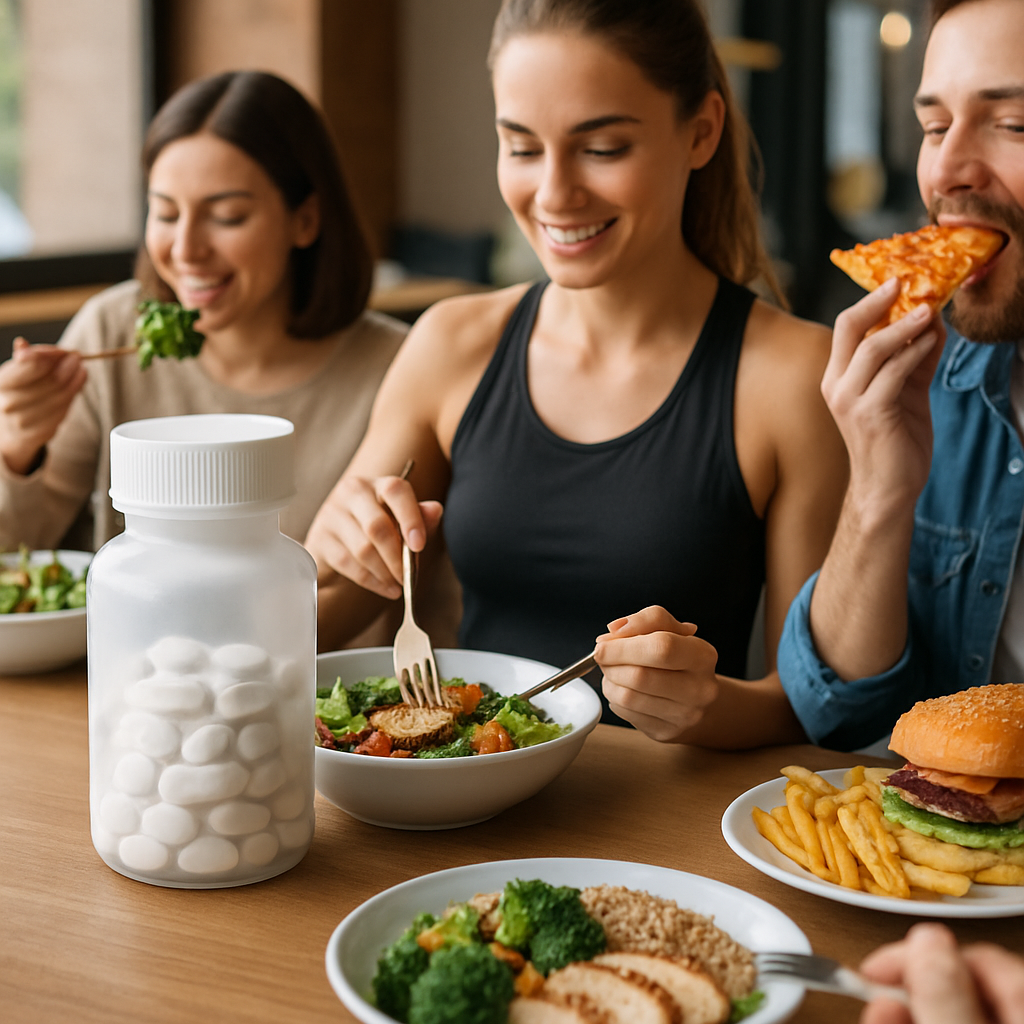
Recent GLP-1 studies are quietly rewriting the rulebook on how, when, and even why we enjoy cheat meals. What used to be a simple "eat clean six days, splurge on day seven" formula now sits inside a much richer hormonal story. Researchers are uncovering how this gut hormone shapes hunger, reward, and recovery from indulgence.
If you’re trying to build smarter splurge habits, the science is more encouraging than you might expect. Here’s what five standout studies reveal, and how to apply them to your next cheat meal without overthinking it.
What GLP-1 Actually Does (in Plain English)
GLP-1, short for glucagon-like peptide-1, is released by your gut after eating. It slows digestion, blunts post-meal blood sugar spikes, and signals fullness to your brain.
That trio matters for cheat meals because indulgent foods often hit all three buttons hard. Understanding the hormone is the first step to working with it instead of against it. The National Institutes of Health has published extensive reviews on GLP-1’s role in appetite regulation.
Study 1: Protein Front-Loading Boosts GLP-1 Response
A 2023 trial in Nutrients found that eating protein before carbs triggered a significantly stronger GLP-1 release than the reverse order. Participants reported lower hunger ratings two hours later.
The takeaway for cheat days: start your pizza night with a chicken skewer or Greek yogurt dip. This simple sequencing trick pairs beautifully with the principles in our guide to high-protein cheat meals, which leans on the same satiety science.
Study 2: Fiber Timing Matters More Than Fiber Total
Another standout among recent GLP-1 studies looked at soluble fiber timing. Subjects who ate fiber 30 minutes before a high-fat meal had a 28% higher GLP-1 response than those who ate the same fiber alongside it.
Translation: a small salad or chia pudding before the burger isn’t just polite, it’s pharmacological. Even a glass of psyllium water can shift the curve.
Study 3: Sleep Debt Crushes GLP-1 Signaling
A Chicago-based study tracked GLP-1 levels in adults restricted to four hours of sleep for five nights. Their post-meal GLP-1 response dropped by nearly 20%, while hunger hormones rose.
This is why a planned cheat meal after a rough week often feels bottomless. If you’re chronically underslept, your fullness signal is genuinely weaker. Rest before you indulge, not after.
Study 4: Walking After Eating Amplifies GLP-1 Release
A small but striking 2024 trial measured GLP-1 in participants who walked for 15 minutes after a high-carb meal versus sitting. The walkers showed sustained GLP-1 elevation for 90 extra minutes and reported less evening snacking.
Movement, even gentle movement, extends the satiety window. It’s one reason our post-cheat meal workout strategies emphasize light activity over punishing cardio.
Study 5: GLP-1 Studies on Reward, Not Just Hunger
Perhaps the most interesting frontier in GLP-1 studies is brain imaging research. A 2025 paper in Cell Metabolism showed that boosting GLP-1 reduced activation in dopamine-reward regions when participants viewed photos of indulgent foods.
In other words, GLP-1 doesn’t just make you full, it makes hyper-palatable food feel a little less magnetic. That’s a powerful argument for protein, fiber, sleep, and walking as natural tools, especially when paired with the hormonal logic explained in our piece on leptin and cheat meals.
How to Apply This Without Overthinking
You don’t need a lab to use these findings. A few practical shifts cover most of the upside:
- Start cheat meals with protein and a touch of fiber.
- Prioritize sleep the night before a planned indulgence.
- Take a 15-minute walk after dessert.
- Stop white-knuckling cravings; let your biology help.
These habits compound. Over months, they shape a calmer relationship with food that no single meal can derail.
Conclusion
The newest GLP-1 studies don’t tell us to fear cheat meals, they tell us to design them with a little more intention. Protein order, fiber timing, sleep quality, and a post-meal stroll all leverage the same hormone that pharmaceutical companies spend billions trying to mimic.
Smart indulgence has always been about working with your physiology. Thanks to ongoing GLP-1 studies, we now have clearer levers than ever to enjoy the foods we love without losing momentum on our goals.
References
- Müller, T. D., et al. (2019). "Glucagon-like peptide 1 (GLP-1)." Molecular Metabolism. NIH
- Shukla, A. P., et al. (2023). "Food order and postprandial GLP-1 response." Nutrients.
- Spiegel, K., et al. "Sleep restriction and appetite hormones." University of Chicago.
- Reynolds, A. N., et al. (2024). "Postprandial walking and incretin response." Diabetologia.
- van Bloemendaal, L., et al. (2025). "GLP-1 and food reward circuitry." Cell Metabolism.
