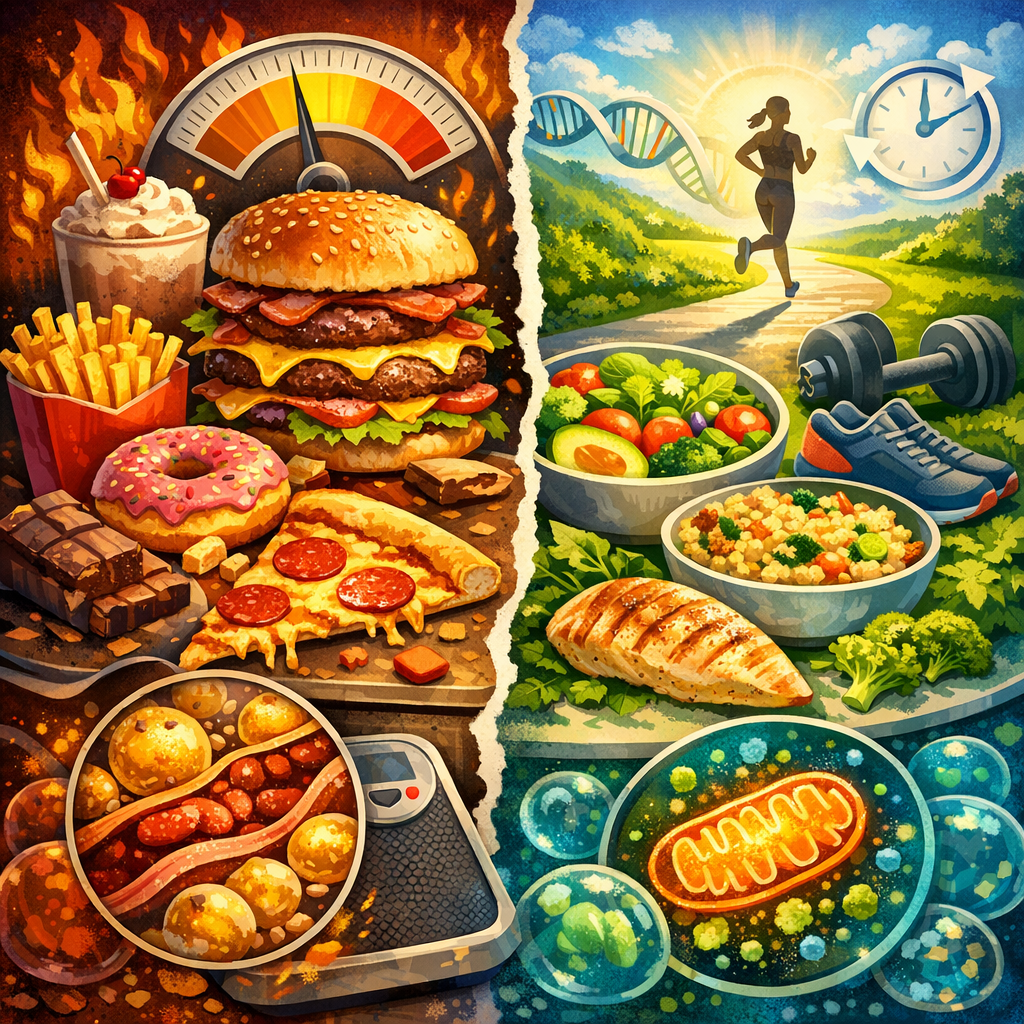
### The Appeal of Cheat Meals in Dieting
In the realm of dieting and weight management, the concept of a cheat meal has become a widely embraced strategy. Meant to serve as a motivational tool, cheat meals allow individuals to indulge temporarily before returning to a disciplined eating plan. However, to enjoy cheat meals without hindering fitness goals, it’s essential to understand their long-term metabolic impact and adopt effective caloric compensation strategies.
### Dynamics of Cheat Meals
Cheat meals are typically much higher in calories, sugar, and fat compared to regular meals. From indulgent desserts to savory fast-food burgers, the idea is that occasional indulgences can decrease feelings of deprivation, thereby enhancing adherence to a diet plan.
While cheat meals offer psychological benefits, they also have important metabolic consequences. The sudden increase in calorie intake can influence metabolism, hormone levels, and energy balance, potentially impacting weight management if not effectively planned.
### Metabolic Impacts of Cheat Meals
**Insulin Response**: Cheat meals rich in carbohydrates and sugars can cause insulin levels to spike. Dr. Jane Smith, a nutrition expert, notes, “While a single spike isn’t harmful, frequent indulgence can lead to insulin resistance, increasing the risk of type 2 diabetes and weight gain.”
**Leptin and Ghrelin Fluctuations**: Cheat meals may alter levels of leptin and ghrelin. Leptin, which signals fullness, can increase, while ghrelin, the hunger hormone, may decrease, temporarily suppressing appetite. These hormonal changes can reset balance when dieting, but frequent cheat meals can disrupt these signals.
**Thermic Effect of Food (TEF)**: The TEF, referring to the energy used for digestion and absorption, can briefly increase with cheat meals due to their richness, but this effect is not enough to offset the high calorie intake.
### Psychological Benefits and Challenges
Cheat meals offer substantial psychological benefits. As rewards, they can decrease episodes of binge eating by providing structured opportunities for indulgence. However, it’s important not to use cheat meals as a free pass for overeating, which can lead to feelings of guilt and failure.
### Effective Caloric Compensation Strategies
To incorporate cheat meals without hindering progress, consider these caloric compensation strategies:
**Pre-Plan Your Cheat Meal**: Designate specific times for indulgence. Planning helps keep indulgences controlled rather than impulsive.
**Adjust Caloric Intake Before Cheats**: Slightly reduce your calorie intake in the days before a cheat meal to create a caloric buffer.
**Increase Physical Activity**: Plan extra exercise sessions around cheat meals, whether it’s an additional gym visit or a long walk, to help balance out extra calories.
**Stay Hydrated**: Drinking water before and after cheat meals aids digestion and promotes a feeling of fullness.
**Practice Mindful Eating**: During a cheat meal, savor each bite to enhance satisfaction and prevent overeating.
### Finding Balance for Long-Term Success
A successful diet must be sustainable, requiring a balance between discipline and flexibility. Strict regimens without allowances for indulgence can feel oppressive, increasing the likelihood of setbacks. By understanding metabolic impacts and using strategic caloric compensation, cheat meals can be a sustainable part of your diet.
### Looking Ahead: A Balanced Approach
Cheat meals can offer pleasure and psychological relief within a diet, but awareness of their long-term effects is crucial. Monitoring your metabolic health and employing thoughtful strategies will allow indulgence without compromising health objectives.
Ultimately, moderation and mindfulness are essential. Cheat meals should complement rather than hinder your diet. By balancing indulgence with an awareness of your body’s response, you can intelligently enjoy cheat meals and maintain a path to a healthier lifestyle.
**References:**
– Nutrition Journal
– “The Role of Hormones in Weight Management” by Dr. Jane Smith
– Contextual Link: [Edrugstore.com Article on Weight Management](https://www.edrugstore.com)
Related posts

Unlocking the Weekend Eating Paradox: Why Cheat Meals Can Boost Fat Loss Without Derailing Your Diet
Struggling to stick to your diet over the weekend? Discover the secret to enjoying guilt-free cheat meals while accelerating fat loss! “Unlocking the Weekend Eating Paradox” reveals how strategic indulgences can revitalize your metabolism and amplify results without derailing your progress. Ready to transform your weekends into a powerful weight-loss ally? Dive in now!

Navigating Weekend Overindulgence: How Cheat Meals Impact Progress and Strategies for Sustainable Balance
Struggling with weekend overindulgence? Dive into our latest post, “Navigating Weekend Overindulgence: How Cheat Meals Impact Progress and Strategies for Sustainable Balance.” Discover how cheat meals can be a double-edged sword and learn expert strategies to enjoy indulgences guilt-free, while maintaining your health goals. Unlock the secrets to a balanced lifestyle today!
