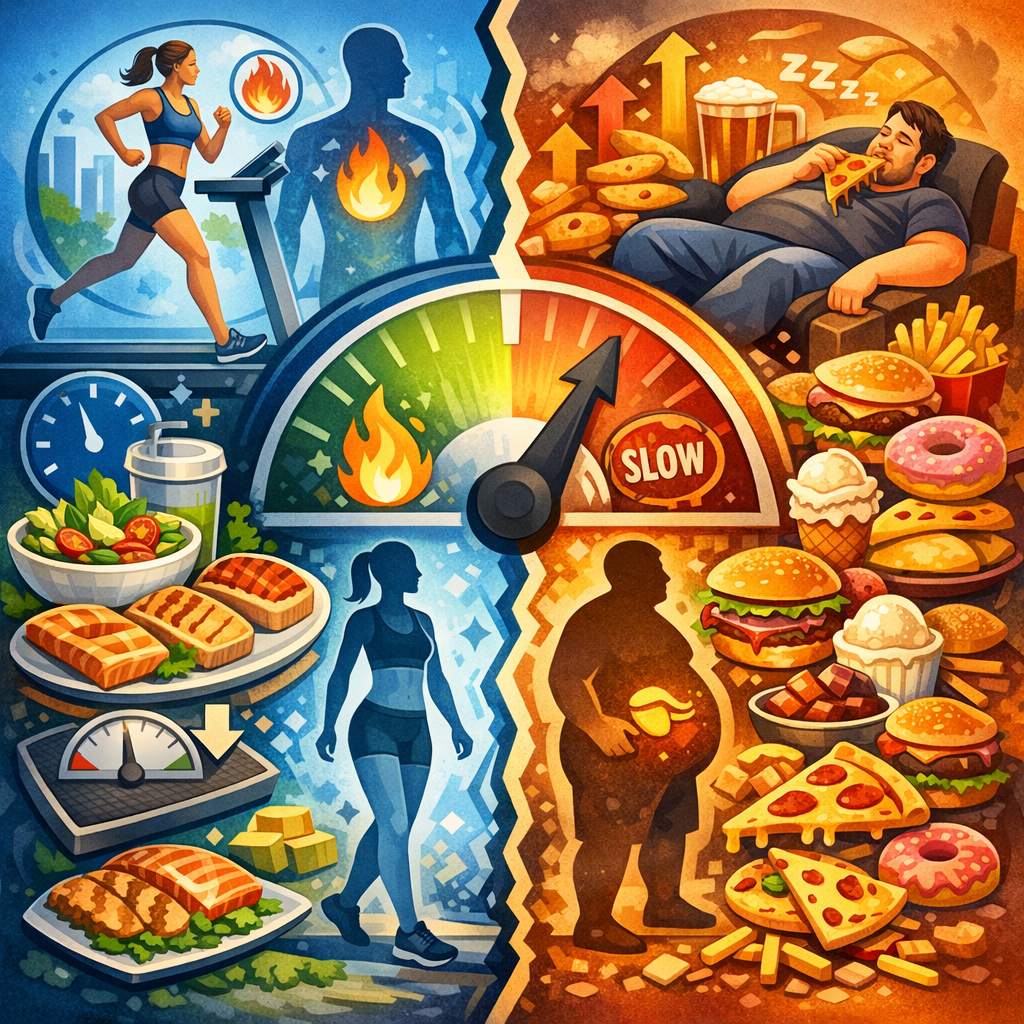
## Decoding the Weekend Overeating Phenomenon: How Cheat Meals Impact Metabolism and Fat Loss Progress
In the realm of nutrition and fitness, the concept of the “cheat meal” sparks significant discussion. As the weekend nears, many individuals who normally adhere to a healthy diet during the week find themselves relaxing their rules and indulging in food choices typically avoided. This weekend splurge is commonplace, but what effect does it really have on metabolism and fat loss? Let’s explore the science and psychology behind weekend overeating and how cheat meals influence fitness goals.
### The Cheat Meal Concept: Freedom Through Structure
A cheat meal is essentially a planned indulgence, providing temporary relief from a strict dietary routine. The intention is to introduce some dietary flexibility, which can help maintain adherence to nutritional goals over time. They are often deployed as a psychological tool to prevent feelings of deprivation and promote sustainability in restrictive eating patterns.
However, distinguishing between a controlled indulgence and reckless weekend overeating can be tricky. Many find that a single cheat meal spirals into multiple cheat days, potentially undermining weekly progress. Registered Dietitian Jessica Jones, co-founder of Food Heaven, emphasizes, “The key is structure—knowing what constitutes a cheat meal versus an all-out binge helps maintain balance.” Understanding these indulgences’ mechanisms and consequences is crucial for achieving better metabolic health and effective fat loss.
### Metabolic Effects of Cheat Meals: Busting the Myths
The impact of cheat meals on metabolism is a primary concern. Human metabolism is a dynamic system driven by energy intake, energy expenditure, and hormonal responses. Cheat meals can momentarily elevate metabolism through diet-induced thermogenesis. By consuming more calories, especially from carbohydrates and fats, the body experiences an increase in energy expenditure, known as the thermic effect of food.
Additionally, cheat meals can alter leptin levels, a hormone crucial for regulating hunger and energy balance. While extended calorie restriction can lower leptin levels and reduce metabolism, higher calorie intake can temporarily boost leptin levels, potentially increasing metabolic rate and enhancing appetite control in the short run. A study published in the American Journal of Clinical Nutrition found that a 10% rise in calorie intake can enhance metabolic rate by 3-10% for 24-48 hours.
### The Psychological Benefits and Traps of Cheat Meals
Beyond physiological effects, the psychological impact of cheat meals is significant. Anticipating a scheduled indulgence can improve dietary adherence during the week, reducing chances of spontaneous non-compliance and binge eating. For many, the prospect of an occasional treat is motivating and provides a psychological release valve, decreasing stress and anxiety linked to rigid dieting.
However, pitfalls exist. The term “cheating” implies guilt, which can create a negative relationship with food. Dr. Susan Albers, a psychologist at the Cleveland Clinic, cautions, “Labeling food choices as ‘cheating’ can reinforce the notion that some foods are inherently bad, leading to a cycle of guilt and bingeing.” Feelings of failure may lead to overeating, extending the cheat from a meal to a weekend. This can inadvertently create a cycle of restriction and bingeing, hindering metabolic efficiency and fat loss.
### Strategies for Success: Navigating Cheat Meals and Fat Loss
Incorporating cheat meals within a dietary plan demands a strategic approach. Distinguishing between a controlled cheat meal and an uncontrolled cheat day is vital. Planning and mindfulness are critical. By setting clear guidelines for food quantity and quality, individuals can enjoy indulgences without detouring from their goals.
Moreover, portion control is crucial. While taking a break is important, consuming excessively large portions can result in caloric surpluses that offset the calorie deficit achieved during the week. Moderation is key for maintaining fat loss progress. For example, instead of an entire pizza, opt for a slice or two with a salad to satisfy cravings without excessive calories.
### Harmonizing Cheat Meals with Healthy Habits
Balancing cheat meals with a healthy lifestyle includes focusing on overall dietary patterns rather than individual meals. A nutritious diet rich in whole foods most of the time can counterbalance occasional indulgences, provided they don’t become routine.
Engaging in regular physical activity can also complement the metabolic benefits of cheat meals. Exercise aids in maintaining a healthy weight and improves insulin sensitivity, crucial for managing the influx of calories from a cheat meal. Incorporating both strength training and cardio ensures that metabolism remains strong and adaptable.
### Conclusion: Approach With Mindfulness
In conclusion, cheat meals can indeed be a valuable psychological and physiological tool in a balanced diet plan, but they need careful handling. Understanding their effects on metabolism and fat loss requires a mindful and structured approach. With strategic planning, portion control, and an emphasis on overall diet quality, cheat meals can fit into a healthy lifestyle without compromising fat loss goals. Ultimately, balance and moderation are the keys to incorporating occasional indulgences sustainably in one’s nutritional journey.
Related posts

Breaking Through Fat Loss Plateaus: Can Strategic Cheat Meals Reset Your Metabolism and Boost Your Progress?
Struggling with stubborn fat loss plateaus? Discover how strategic cheat meals may be your secret weapon in resetting metabolism and accelerating progress. Dive into the science behind these indulgent meals and learn how they could supercharge your weight loss journey, making fitness goals more attainable and enjoyable. Don’t miss out!

“Refeed Days vs Cheat Meals: Navigating Metabolism Boosts Without Derailing Low-Carb Endurance Training”
Unlock your potential with strategic “Refeed Days vs Cheat Meals.” Discover how to boost metabolism without derailing your low-carb endurance training. Harness the power of targeted nutrition to enhance performance and fuel recovery, all while maintaining your dietary goals. Dive into this revolutionary approach to maximize energy and redefine peak athletic performance.
