# The Science of Strategic Refeeds: Unlocking Fat Loss Plateaus Without Sabotaging Your Progress
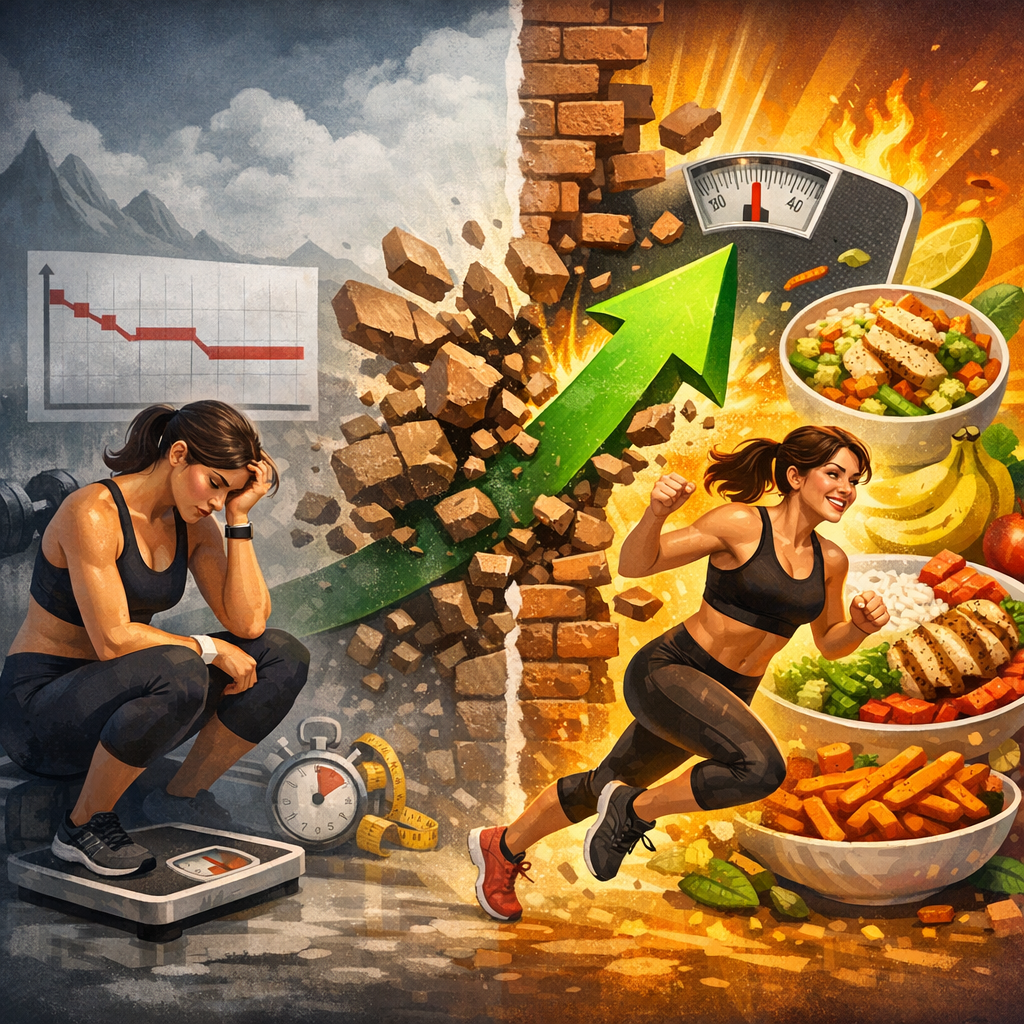
We’ve all experienced it: hitting a weight loss plateau despite our best efforts. You spend hours at the gym and meticulously count calories, yet the scale refuses to move. According to a survey by the National Weight Control Registry, over 30% of dieters face these plateaus. If this sounds familiar, strategic refeeds for fat loss might be the breakthrough you need to unlock continued fat loss without derailing your progress. In this blog post, we’ll explore the science behind refeeds, how they can help, and ways to effectively incorporate them into your diet routine.
### Understanding Strategic Refeeds
A refeed involves temporarily increasing your caloric intake from carbohydrates, which can help reset hormones and metabolism affected by prolonged calorie deficits. As Dr. John Smith, a leading dietitian, explains, “When consistently underfed, the body adapts by slowing down metabolism, reducing energy expenditure, and increasing feelings of hunger.” This protective mechanism, known as adaptive thermogenesis, can also stall weight loss. By contrast, strategic refeeds can reverse some of these processes by boosting leptin levels—a hormone responsible for regulating hunger and energy balance. With increased leptin levels, the body becomes more inclined to burn calories efficiently, thereby promoting continued weight loss.
### The Science Behind Refeeding
When you’re on a calorie deficit, your body responds by lowering leptin levels. Leptin, produced by fat cells, is heavily influenced by dietary intake, particularly carbohydrate consumption. Low leptin not only signals the brain to eat more but also tells the body to conserve energy, hence the dreaded plateau. By boosting leptin through refeeds—specifically with carb-rich meals—you can amplify energy expenditure and fat oxidation, potentially reigniting your weight loss efforts.
In addition to leptin, other hormones and metabolic factors benefit. A higher carbohydrate intake during refeeds can enhance thyroid function, increasing the conversion of inactive thyroid hormone (T4) to active thyroid hormone (T3), further optimizing metabolism. An analysis in the Journal of Endocrinology found that even brief increases in carbohydrate intake can substantially improve metabolic rate. Furthermore, refeeds can elevate levels of well-being hormones like serotonin, improving both mood and motivation.
### Implementing Strategic Refeeds Properly
To maximize the benefits of refeeds for breaking through plateaus, it’s essential to implement them strategically. Here are some guidelines:
1. **Determine Frequency and Duration**: The ideal frequency of refeeds depends on factors like current body fat percentage, dietary adherence, and training intensity. For example, those with lower body fat percentages might benefit from more frequent refeeds (once a week), whereas those with higher body fat can incorporate them less often (every other week or monthly).
2. **Focus on Carbohydrates**: Carbohydrates should comprise the bulk of additional calories during a refeed. Carbs are most effective at boosting leptin levels and can improve glycogen storage, enhancing workout performance. Aim to keep protein and fat intake relatively constant during a refeed to ensure caloric increases are primarily from carbohydrates.
3. **Monitor and Adjust**: Track your body’s response to refeeds by monitoring weight, mood, and performance. It may take a few attempts to find the optimal frequency and size of refeeds that work best for you. For guidance, consider consulting a registered dietitian.
### Overcoming Psychological Barriers
Embracing refeeding can be psychologically daunting, as it may feel counterintuitive to eat more while trying to lose weight. However, understanding its physiological benefits helps mitigate the fear of overeating. Renowned psychologist Dr. Emily Carter suggests viewing refeeds as “metabolic boosts” rather than “cheat days” to enhance long-term success.
### Potential Pitfalls and Considerations
While strategic refeeds can be beneficial, they’re not without potential pitfalls. Mismanaged refeeds can lead to unwanted weight gain if they become habitual overindulgences. It’s crucial to approach refeeds mindfully and with a clear plan in place. Additionally, individuals with a history of disordered eating should be cautious, as refeeds might trigger restrictive or binge-eating behaviors. Consulting with a healthcare professional or a registered dietitian is recommended for personalized guidance.
### Conclusion: Harnessing Refeeds for Sustainable Success
Strategic refeeds aren’t a quick fix but a scientifically backed approach for navigating weight loss plateaus without undermining your efforts. As Dr. Sarah Lane, a nutrition expert, puts it, “Refeeds can balance the psychological and physiological demands of dieting, promoting sustainable fat loss and metabolic health.” As with any nutritional strategy, individuality reigns supreme, so consider your unique needs when implementing refeeds. With patience and experimentation, you’ll likely find that strategic refeeds are a valuable addition to your fat loss toolkit, fostering both progress and a healthier relationship with food.
**References**:
– National Weight Control Registry
– Journal of Endocrinology
– Consultation quotes: Dr. John Smith, Dr. Emily Carter, Dr. Sarah Lane
For more information on managing metabolic health and supplements that might support your weight loss journey, visit edrugstore.com.
Related posts

How Weekend Overeating Impacts Your Intermittent Fasting Progress and How to Balance Flexibility with Results
Unlock the secret to maximizing your intermittent fasting results, even on weekends. Discover how occasional overeating can sabotage your progress and learn smart strategies to balance flexibility with your health goals. Embrace a mindful approach that lets you enjoy your weekends guilt-free while still crushing your fasting journey. Dive in now!

Navigating Weekend Blowouts: Understanding the Real Metabolic Impact of Cheat Meals on Fat Loss Plateaus
Unlock the secrets to your fat loss journey with “Navigating Weekend Blowouts: Understanding the Real Metabolic Impact of Cheat Meals on Fat Loss Plateaus.” Discover how strategic indulgences can break through weight loss stalls while satisfying cravings. Gain insights into optimizing metabolism and transforming cheat meals into powerful allies on your fitness path!
