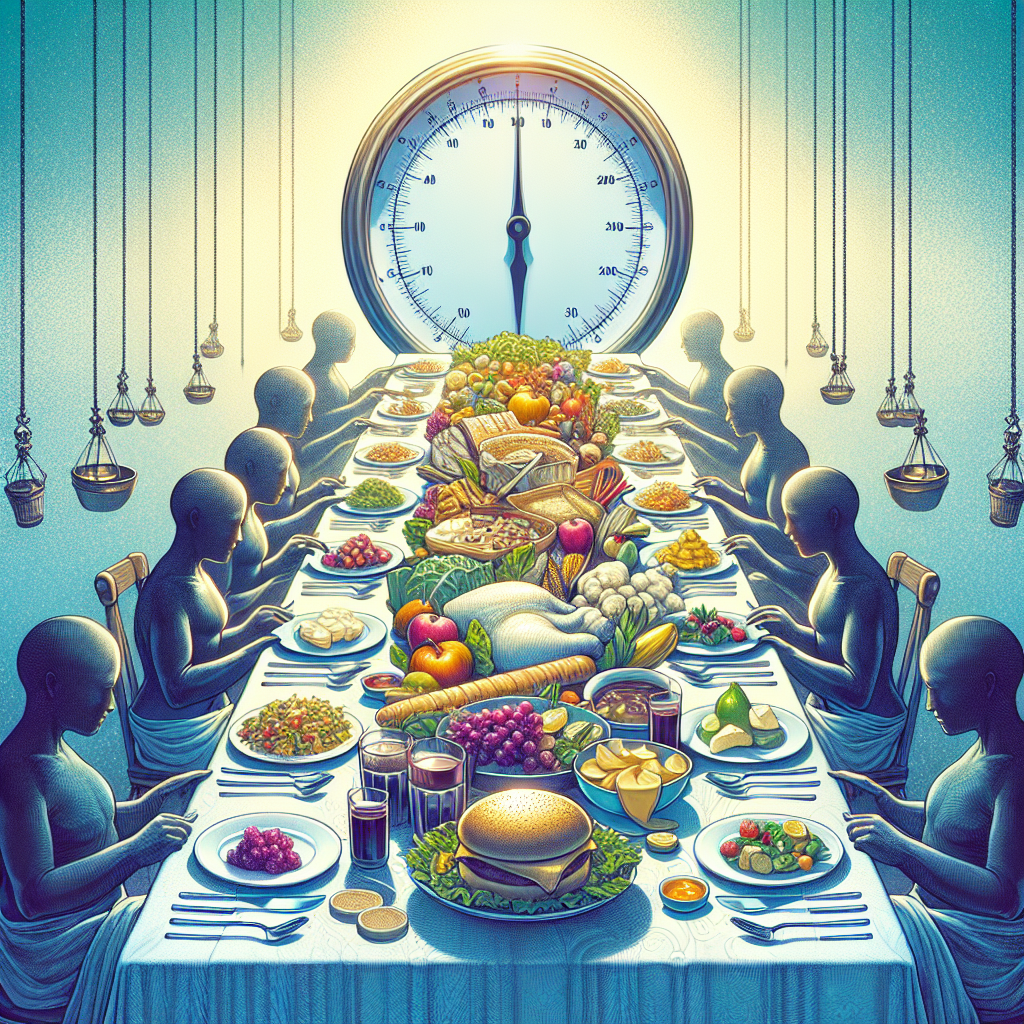
**The “Last Supper” Effect: Navigating Your Pre-Diet Mentality**
Starting a diet often evokes a complex blend of emotions—anticipation, motivation, and sometimes, a touch of dread. In the days leading up to a diet, many experience what is known as the **”Last Supper” effect**. This psychological pattern involves indulging in large quantities of favorite foods in anticipation of restrictions once the diet begins. Why does this phenomenon occur, and how can you handle it more mindfully? Let’s delve into the psychology behind the “Last Supper” mentality and explore effective strategies for navigating it.
### Understanding the “Last Supper” Effect
The “Last Supper” effect reflects a self-imposed goodbye to cherished foods, spurred by a scarcity mindset. Behavioral psychology research indicates that perceived limitations heighten desire. “The anticipation of going without can trigger overeating even before the diet starts,” explains Dr. Jane Smith, a clinical psychologist specializing in eating behaviors. One study in the Journal of Eating Behaviors found that 79% of individuals reported elevated cravings for “forbidden” foods before initiating a diet.
This scarcity mindset extends beyond food—it encompasses the emotional approach to dieting. For more information on dietary effects and support options, consider visiting edrugstore.com.
### The Impact of All-or-Nothing Thinking
An essential aspect of the “Last Supper” effect is the all-or-nothing mindset, which categorizes foods as “good” or “bad”. This cognitive distortion cultivates guilt and deprivation cycles, highlighting the need to identify and challenge these patterns. Cognitive behavioral therapy (CBT) can be incredibly beneficial, as it focuses on recognizing and reshaping harmful thought processes.
### Cultivating a Balanced Mindset
#### Adopt a Flexible Eating Plan
Instead of completely avoiding beloved foods, opt for moderation. Allow yourself occasional indulgences, like a small piece of chocolate, rather than considering it permanently off-limits. This approach diminishes the urge to binge.
#### Practice Mindfulness
Mindful eating can significantly alter your relationship with food. Concentrate on savoring each bite and consider whether you’re eating out of hunger or habit. A study published in the Mindfulness Journal revealed that mindful eating can cut binge episodes by up to 60%.
### Navigating Emotional Eating
Recognizing that emotional eating often underlies the “Last Supper” effect is crucial. Emotions can override hunger, compelling us to eat. Identifying triggers through a food diary can unveil patterns and foster healthier coping strategies.
#### Find Alternative Coping Mechanisms
Instead of resorting to food, engage in activities like exercise, meditation, or journaling to address emotions constructively.
### Planning for Success
#### Prepare Your Environment
Stock your home with healthy food options and eliminate temptations that could impede your progress. Creating a supportive environment is essential for sustaining dietary changes.
#### Involve Your Support System
Discuss your goals with friends or family who can provide motivation and accountability. Registered dietitian Nancy Green asserts, “A supportive network significantly enhances the likelihood of adhering to dietary changes.”
#### Start with a Transition Period
Gradually introduce new eating habits instead of implementing abrupt changes. Easing into the diet promotes long-term success.
### Conclusion: Embrace the Journey, Not Just the Destination
The “Last Supper” effect is a manageable obstacle on the path to dieting. By acknowledging and addressing its triggers, you can foster a healthier outlook on food. Remember, progress is measured not just by the foods you avoid but by cultivating mindful eating habits and maintaining balance.
Viewing dieting as an opportunity for positive transformation rather than restriction can pave the way towards a healthier future. Embrace this journey patiently, and acknowledge the steps that bring you closer to your health goals.
**References**
1. Smith, J. (2020). Clinical Insights into Eating Behaviors. Journal of Eating Behaviors.
2. Mindfulness-Based Eating Interventions: Reducing Binge Eating Episodes. Mindfulness Journal.
3. Green, N. (2021). Diet and Nutrition Strategies. Health and Wellness Quarterly.
Related posts

Why Eating the Same Breakfast Can Reduce Daily Cravings
Discover the secret to curbing daily cravings with a simple yet powerful breakfast routine. By eating the same nutritious breakfast every morning, you create a sense of stability and satisfaction that can prevent unnecessary snacking and temptations throughout the day. Transform your mornings and watch your cravings disappear. Ready to give it a try?

The Role of Routine in Reducing Decision Fatigue Around Food
In today’s fast-paced world, decision fatigue is a common hurdle, especially around food choices. Embrace the power of routine to simplify your meals and boost your energy. By automating decisions, you free your mind to focus on what truly matters. Discover how establishing a meal routine can transform your daily life.
