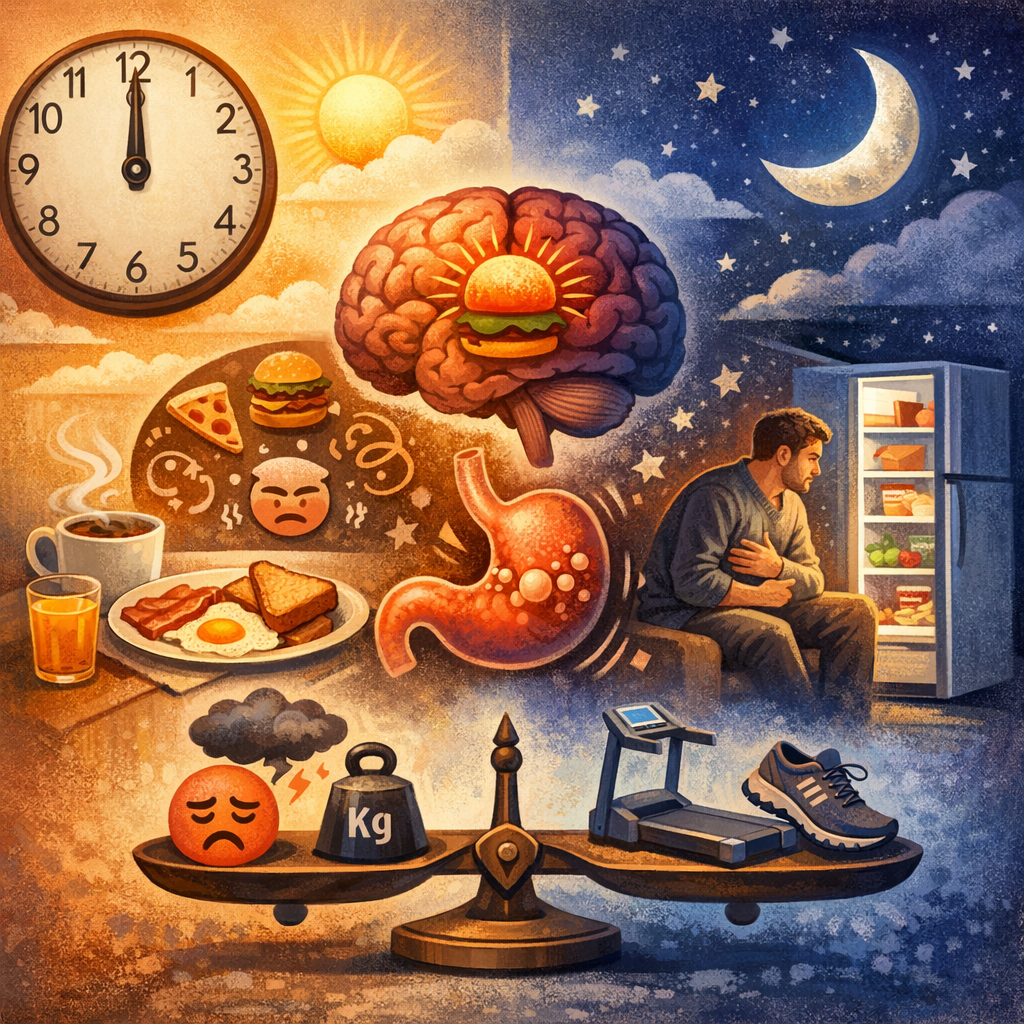
**The Meal Timing Illusion: Why Hunger Isn’t Always About Time**
In the fast-paced world of today, meal timing and hunger signals often become yet another thing dictated by a strict schedule. Many of us are accustomed to the traditional routine of an 8 a.m. breakfast, noon lunch, and dinner by 7 p.m. However, these conventional meal times do not necessarily align with our biological needs. Instead, they are largely rooted in social habits. A study published in the *Journal of Nutrition* revealed that only 39% of individuals report eating due to actual hunger. This poses an essential question: Do these times genuinely reflect hunger, or are they merely convenient habits?
### The Social Construct of Meal Times
Exploring the societal norms that dictate meal times, it becomes apparent that standardized meal times are deeply ingrained in our culture. For instance, meal breaks during a typical school or workday align perfectly with socially accepted times. However, this does not mean these times correspond with our bodies’ natural hunger signals. Nutritionist Dr. Jane Smith notes, “Socially constructed eating schedules often overlook individual variability in hunger cues.” This observation supports the idea of autonomous eating, where the focus is on whether set meal times genuinely fulfill any biological need or merely conform to cultural expectations.
### Debunking the Three-Meal Myth
The concept of the three-meal-a-day structure is more of a cultural artifact than a nutritional requirement. Studies on intermittent fasting and the eating habits of indigenous groups have demonstrated that varied eating patterns can be equally effective, if not more so, in certain contexts. Research from the *American Journal of Clinical Nutrition* indicates that 30% of individuals thrive on different meal frequencies without adverse health effects. This underscores our body’s adaptability, suggesting that strict adherence to a rigid meal schedule is not necessary.
### Understanding True Hunger
Understanding true hunger involves recognizing its complexities. Hunger is influenced by numerous factors including hormones, hydration, and stress. For example, ghrelin, known as the “hunger hormone,” regulates our urge to eat, adapting according to our eating habits. Dr. Robert Walker emphasizes, “Our bodies are programmed to adapt. True hunger arises from physiological needs, not from a clock.” Instead of eating based on time, it’s crucial to listen to cues like stomach growling, low energy, or irritability to dictate your meals.
### The Impact of Mindful Eating
Mindful eating plays a crucial role in challenging our preconceived notions of meal timing. It involves making conscious decisions regarding when and what to eat, thereby promoting a healthier relationship with food. By focusing on physical hunger signals rather than time-based cues, individuals can potentially improve digestion, reduce overeating, and experience greater meal satisfaction. Dietitian Laura Green highlights the importance of mindful eating, noting its role in empowering individuals to make choices that reflect their unique nutritional needs.
### Flexibility in Meal Timing: A Personalized Approach
Transitioning to a personalized meal timing strategy, it’s essential to embrace flexibility in response to daily variations in activity, rest, and stress, all of which influence hunger. Athletes, for instance, might need more frequent meals to sustain energy, while someone aiming for weight loss might benefit from an eating window. Dr. Emily Johnson advises, “Understanding personal lifestyle and preferences is crucial when creating a sustainable meal routine.”
### Conclusion: Rethinking Our Approach to Eating
As awareness of personal well-being grows, it’s vital to rethink our approach to eating. The meal timing illusion encourages us to break free from rigid schedules and embrace more intuitive and flexible eating patterns. By tuning into our bodies’ natural signals and employing mindful eating practices, we can better nourish both body and mind. In an era that emphasizes personalization for optimal health, recognizing that there’s no one-size-fits-all approach to meal timing is essential. After all, our bodies—not the clock—should guide our hunger.
Explore personalized eating tips on [edrugstore.com](https://www.edrugstore.com).
Related posts

Why Eating the Same Breakfast Can Reduce Daily Cravings
Discover the secret to curbing daily cravings with a simple yet powerful breakfast routine. By eating the same nutritious breakfast every morning, you create a sense of stability and satisfaction that can prevent unnecessary snacking and temptations throughout the day. Transform your mornings and watch your cravings disappear. Ready to give it a try?

The Role of Routine in Reducing Decision Fatigue Around Food
In today’s fast-paced world, decision fatigue is a common hurdle, especially around food choices. Embrace the power of routine to simplify your meals and boost your energy. By automating decisions, you free your mind to focus on what truly matters. Discover how establishing a meal routine can transform your daily life.
