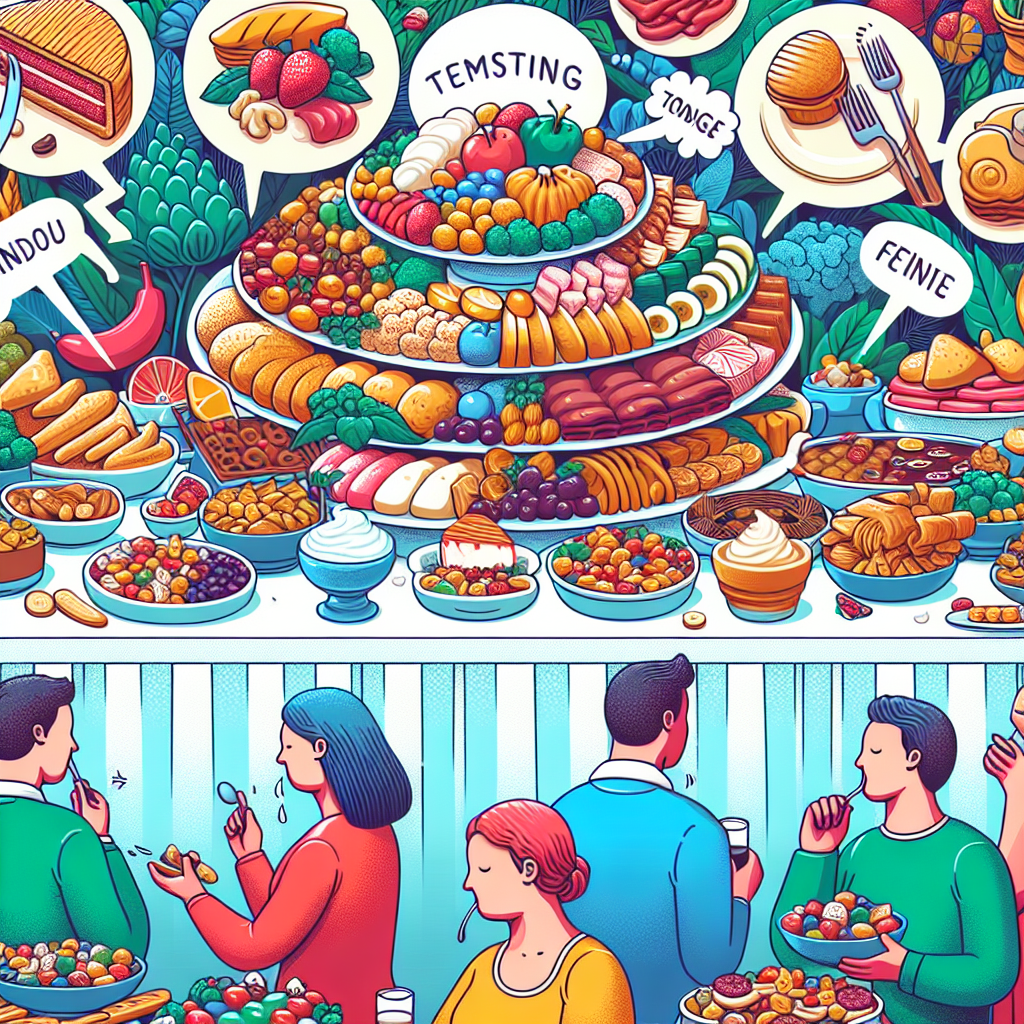
### Understanding the Enticing Allure of Buffets
Buffets are a unique fusion of culinary diversity and human temptation, often leading us to eat more than we normally would. According to a study published in the Journal of Nutrition, about 67% of individuals admit to overeating at buffets. What exactly makes buffets so compelling that we override our body’s natural fullness signals? Delving into the science and psychology behind this can help explain why we often leave feeling more stuffed than anticipated.
### Decoding Fullness Signals
Our bodies are equipped with a highly intricate system for managing hunger and satiety. The interplay between the brain, stomach, and various hormones determines when we start and stop eating. For example, the hormone leptin communicates feelings of fullness to the brain, while ghrelin triggers hunger. Generally, as we eat, the stomach stretches and sends signals to the brain that it’s time to stop. Dr. Jennie Craig, a leading nutritionist, notes, “Our body’s natural hunger cues can be disrupted by the sensory overload found at buffets.”
### The “Variety Effect” on Appetite
One of the most alluring aspects of buffets is the wide variety of available food. Research shows that a diverse range of foods can significantly enhance appetite, a phenomenon known as the “variety effect” or “sensory-specific satiety.” Being exposed to different flavors and textures keeps our taste buds engaged. Visualize starting with a spicy dish, transitioning to a savory one, and finishing with something sweet; every new flavor can reignite your appetite and make it easier to continue eating.
### Influence of Portion Perception and Social Contexts
The role of portion perception is critical in buffet settings. Unlike a regular dining experience where portions are predetermined, buffets allow us to control our servings, often leading to larger quantities. Studies indicate that people serve themselves 30% more food when provided with bigger plates or utensils. Social settings also influence our eating habits. Observing others indulge can make overeating appear normal. Dr. Brian Wansink, author of “Mindless Eating,” suggests, “The company of others can increase food consumption by up to 70%.”
### Environmental and Psychological Cues Driving Overindulgence
The buffet environment is purposefully designed to encourage overindulgence. Bright lighting, attractive food presentation, and strategic dish arrangements enhance the dining experience. The visual appeal of abundant food can trigger psychological responses that suppress satiety cues. Additionally, the concept of “all-you-can-eat” appeals to our psychological urge to get the most value for our money. Fear of missing out or not maximizing our expenditure can compel us to eat more.
### Effective Strategies to Avoid Buffet Overeating
Fortunately, there are effective strategies to combat overeating at buffets. Being mindful of portion sizes is essential. Starting with smaller servings and taking time to savor each dish can enhance satiety and satisfaction. Using a smaller plate is a straightforward technique to control food intake. Prioritizing nutrient-dense foods, such as salads, lean proteins, and whole grains, can promote fullness with fewer calories. Additionally, taking breaks between servings allows fullness signals to reach the brain.
### Conclusion: Navigating Buffet Temptations Mindfully
Buffets represent a fascinating blend of human psychology and culinary pleasure. Understanding the underlying mechanisms can enable diners to enjoy buffets mindfully, savoring the experience without compromising their health. By adopting mindful eating practices, it is possible to appreciate the best of what buffets offer without overindulgence. The next time you find yourself at a buffet, remember that you have the tools to enjoy the experience while maintaining balance.
Related posts
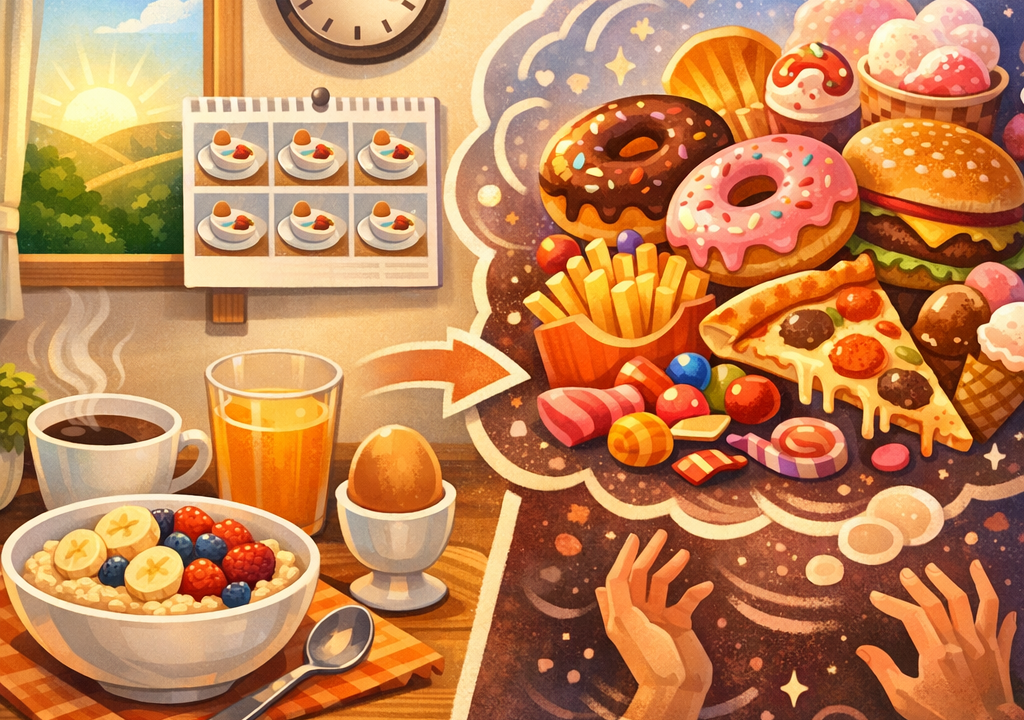
Why Eating the Same Breakfast Can Reduce Daily Cravings
Discover the secret to curbing daily cravings with a simple yet powerful breakfast routine. By eating the same nutritious breakfast every morning, you create a sense of stability and satisfaction that can prevent unnecessary snacking and temptations throughout the day. Transform your mornings and watch your cravings disappear. Ready to give it a try?

The Role of Routine in Reducing Decision Fatigue Around Food
In today’s fast-paced world, decision fatigue is a common hurdle, especially around food choices. Embrace the power of routine to simplify your meals and boost your energy. By automating decisions, you free your mind to focus on what truly matters. Discover how establishing a meal routine can transform your daily life.
