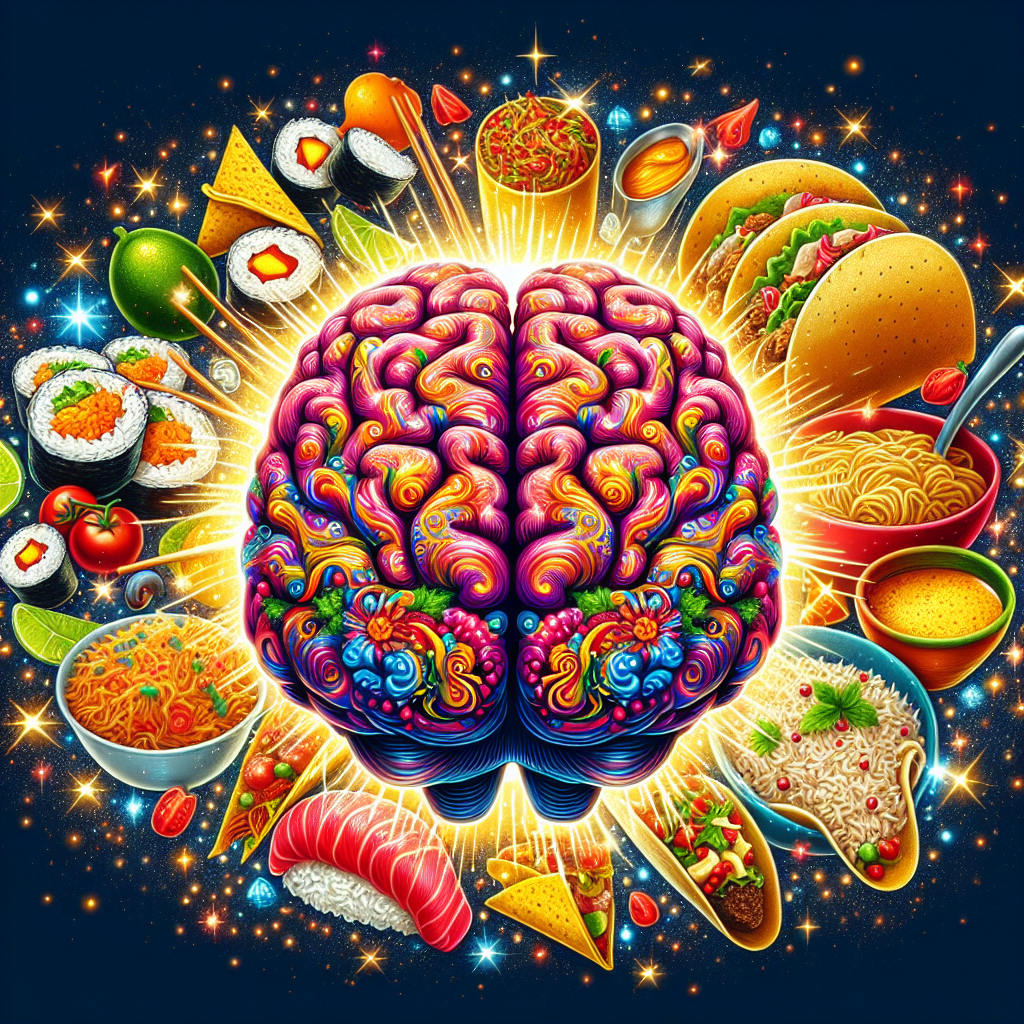
### Why Variety Reigns Supreme in Our Diets
Have you ever found yourself growing bored with eating the same meal every day, even if it’s your favorite dish? You’re not alone. Our brains crave variety, and they are far more stimulated and satisfied by diverse menus than by predictable patterns. This preference for diversity, especially in our diet, is deeply rooted in both psychological and evolutionary reasons. A study from the University of Oxford found that individuals consuming a varied diet were 30% less likely to report feelings of depression. Let’s delve into why variety is essential and how it impacts our culinary choices.
### The Evolutionary Drive for Dietary Diversity
From an evolutionary standpoint, eating a wide range of foods was not merely a preference but a necessity. Our ancestors needed a diverse diet to ensure they received all the essential nutrients for survival. Consuming a mix of fruits, vegetables, meats, and other food sources minimized the risk of nutrient deficiencies. According to Dr. Emily Collins, a nutritional anthropologist, diverse eating patterns were crucial in early human development, facilitating adaptation and survival. Even in modern times, this instinct remains a protective measure to ensure balanced nutrition, despite the abundance of food resources available.
### The Brain’s Reward System and New Flavors
When we are introduced to new flavors, our brain’s reward system is activated. The neurotransmitter dopamine, often called the “pleasure chemical,” is released in response to new and exciting stimuli, including different foods, leading to a delightful sensation. Dr. Sarah Simmons, a neuroscientist specializing in sensory experiences, notes that the brain’s reaction to new flavors drives us to seek variety as a natural response to the neurological reward system. In contrast, monotonous diets lead to “sensory-specific satiety,” where repeated exposure reduces appeal.
### Culinary Adventures and Emotional Well-being
Indulging in varied meals plays a crucial role in improving our overall emotional and mental well-being. It’s no surprise that experiencing new cuisines and flavors often tops travel itineraries. Trying new foods isn’t just about taste; it’s a cultural exploration too. The National Restaurant Association reports that 70% of consumers are more inclined to try international cuisines today than they were five years ago. Engaging with global cuisines, such as Ethiopian or Thai, can bring joy and break the routine, igniting creativity and fulfillment.
### Breaking the Mealtime Monotony
So, how can we embrace variety without feeling overwhelmed or falling into unhealthy eating patterns? Here are some strategies for keeping mealtime exciting and nutritionally balanced:
#### 1. Experiment with Ingredients
Swap standard ingredients for unique alternatives. For example, if chicken is your go-to, try quail or tofu. Instead of rice, incorporate quinoa or barley as a base.
#### 2. Explore Global Flavors
Engage in cooking meals from different cultures through online classes or local events. Mexican dishes offer spicy flavors, while Italian cuisine provides creamy and aromatic experiences.
#### 3. Savor Seasonal Produce
Choose seasonal produce, which is often richer in flavor and nutrients. Supporting local agriculture also naturally introduces a rhythm of change and variety.
#### 4. Practice Mindful Eating
Focus on the flavors and textures during meals. Use all your senses to increase appreciation for new dishes and enhance the overall experience.
#### 5. Enroll in Cooking Classes
Participate in a cooking class focused on unfamiliar cuisines or ingredients. Such experiences make discovering new favorite dishes a fun adventure.
### Conclusion: Embrace Culinary Diversity
Our brain’s desire for varied experiences, particularly in dietary choices, is a multifaceted phenomenon rooted in evolution, psychology, and nutritional balance. Bringing variety into meals transforms dining into explorations of flavors and cultures, enriching both body and mind. Incorporating diverse foods can stimulate your brain and improve well-being. In sum, whether through ingredient swaps, culinary experiments, or cultural exploration, embracing meal diversity can lead to more pleasurable eating experiences. Next time you plan your meal, cater to your brain’s desire for adventure. Your taste buds—and your well-being—will thank you.
Related posts

Why Eating the Same Breakfast Can Reduce Daily Cravings
Discover the secret to curbing daily cravings with a simple yet powerful breakfast routine. By eating the same nutritious breakfast every morning, you create a sense of stability and satisfaction that can prevent unnecessary snacking and temptations throughout the day. Transform your mornings and watch your cravings disappear. Ready to give it a try?

The Role of Routine in Reducing Decision Fatigue Around Food
In today’s fast-paced world, decision fatigue is a common hurdle, especially around food choices. Embrace the power of routine to simplify your meals and boost your energy. By automating decisions, you free your mind to focus on what truly matters. Discover how establishing a meal routine can transform your daily life.
