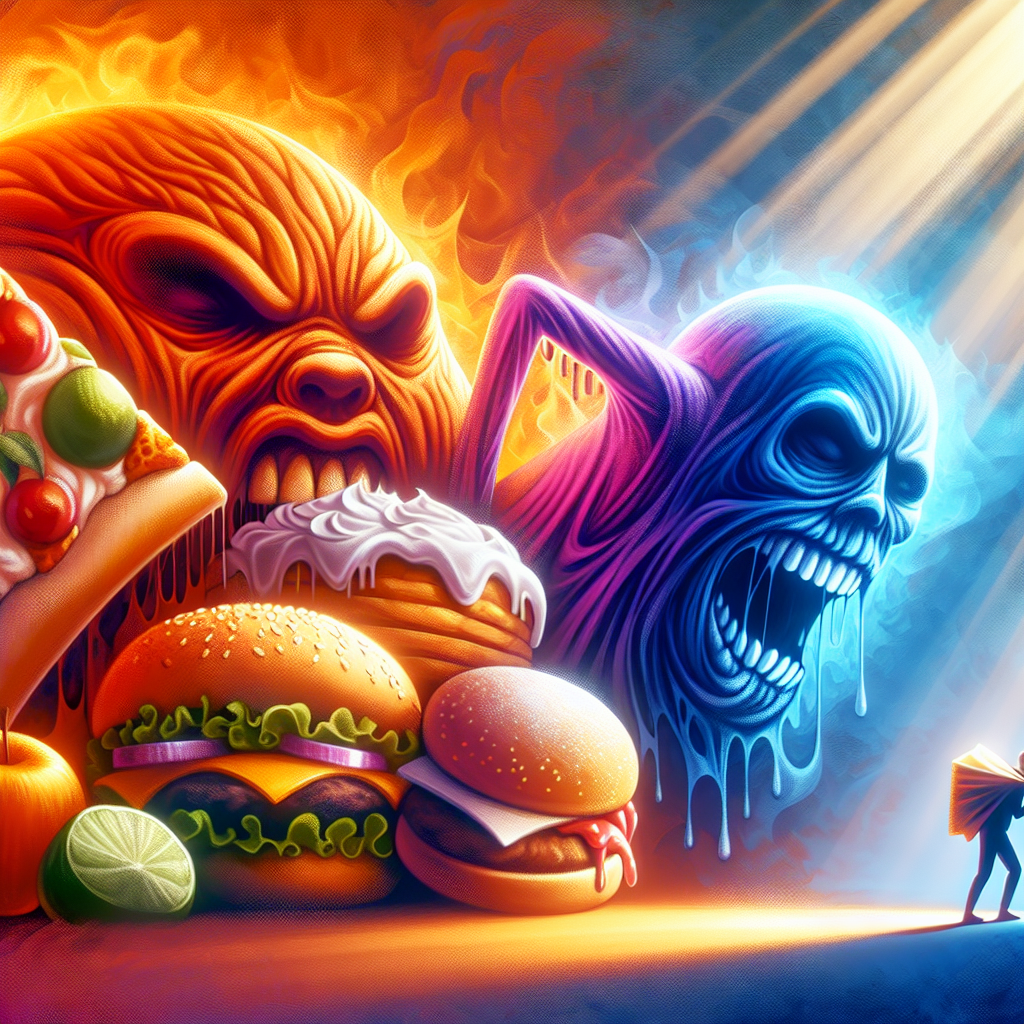
The Science Behind the Morning-After Cravings
After indulging in a hearty cheat meal — whether it’s pizza, donuts, or a decadent dessert — you probably wake up feeling even hungrier than before. It seems illogical. After all, you consumed a large number of calories, so shouldn’t you feel full and satisfied?
The surprising answer lies in how your body and brain process high-calorie, highly palatable foods. Instead of feeling nourished, your brain remembers that cheat meal as a source of intense pleasure and begins to anticipate more. This often leads to a spike in cravings not because of a lack of willpower but because of the way your body has learned to expect high-energy rewards.
The Cheat Meal Trap: Why You Feel Less Satisfied After Indulging
Cheat meals often contain highly processed ingredients loaded with refined sugars, unhealthy fats, and salt. These combinations light up the brain’s pleasure and reward systems—particularly dopamine pathways—in a way similar to addictive substances. According to Dr. Nora Volkow, director of the National Institute on Drug Abuse:
“Highly processed foods hijack the neurological circuits responsible for pleasure and motivation, which increases future cravings in a manner similar to repeated drug use.”
This phenomenon, known as the memory-reward loop, means your brain starts to associate certain foods with elevated pleasure. So when you skip that usual treat, your body still prepares for it by spiking hunger hormones and stimulating cravings—even when energy needs are met.
Why It’s Not About Willpower—It’s About Evolution
Blaming yourself for wanting nachos or cake the day after a binge doesn’t do justice to how your body actually works. These cravings are evolutionary, rooted in survival mechanisms from when food scarcity was a real threat.
Research published in The American Journal of Clinical Nutrition found that high-fat, high-sugar foods activate the brain’s reward centers more intensely than lower-calorie, nutritious foods. As a result, our bodies recognize these calorie-dense foods as valuable energy sources and continually seek them out — a response that dates back to ancient survival instincts.
Your reward system wasn’t designed to maintain balance; it was designed to find and secure high-energy nourishment. Understanding this programming helps you approach cravings with compassion instead of criticism.
Calorie Anticipation: Your Brain’s Food Forecasting System
Groundbreaking research in Cell Metabolism reveals an important concept known as “calorie anticipation.” Just like Pavlov’s dogs salivated at the sound of a bell, your body starts modifying hormone levels based on your eating habits and food environment — often before you put anything in your mouth.
If you regularly treat yourself to dessert after dinner, your body starts to expect it. This triggers changes in hormone levels, such as ghrelin (the hunger hormone), preparing you to receive calories—even if you’ve decided to skip the treat that day.
Dr. Dana Small, a psychobiologist, explains: “Our brain develops a learned connection between taste and calories. When that connection becomes unreliable, the brain demands more food to fulfill an unmet expectation.”
This creates something called “taste-calorie dissociation,” where your body craves food not because of hunger, but because it’s chasing the dopamine response it expected.
How to Stop the Craving Cycle and Reclaim Control
The good news? You don’t have to be at the mercy of your cravings. There are practical, science-backed strategies to help you reset your body’s anticipation system and manage post-cheat meal hunger effectively.
Plan Indulgences with Purpose
Don’t let cheat meals be spontaneous. Intentionally choose when to indulge — ideally after a workout or a nutritious day. A 2018 study in Appetite journal found that people who pre-plan indulgences are more likely to return to healthy habits afterward and less likely to overeat.
Move Gently the Next Day
Engaging in physical activity such as walking or yoga helps stabilize blood sugar and improve insulin sensitivity after a cheat meal. These physiological changes reduce “reactive hunger,” making it easier to resist post-indulgence cravings.
Return to Balanced Meals Quickly
One cheat meal shouldn’t derail your entire week. Get back to nutritious, whole-food meals as soon as possible. Stick to a diet that includes lean proteins, complex carbs, and healthy fats to stabilize energy and hunger levels. Avoid crash diets or extreme fasting — your body needs consistency more than restriction.
Eat More Fiber and Protein
High-fiber and high-protein foods provide longer-lasting fullness and help regulate appetite hormones. Aim to include options like Greek yogurt with seeds or oatmeal with nut butter. These meals help meet your body’s energy expectations in a steady, sustainable way.
Practice Self-Compassion, Not Criticism
Your emotional response to cheat meals affects your physical recovery. Stress increases cortisol, a hormone linked to heightened appetite. Rather than criticizing yourself, acknowledge the cravings for what they are: a natural response that you can manage with awareness and support.
The Takeaway: Cravings Are Natural, Not a Sign of Weakness
Cravings after cheat meals are not signs of personal failure; they’re signs of a well-functioning brain reacting to reward-related memories and learned associations. You are biologically wired to seek out high-calorie foods as a survival tactic. But by understanding how your body anticipates and responds to food, you can create routines that honor both pleasure and health.
The next time that wave of hunger hits after a cheat day, remind yourself: this is your brain calling for a dopamine boost, not your body crying out for nourishment. With awareness and consistent habits, indulgent meals can be part of your health journey—without sabotaging it.
Enjoy Indulgence without Losing Momentum
Incorporate cheat meals as thoughtful parts of your lifestyle, not as impulsive breaks from discipline. This strategy helps train your brain not to overreact to high-calorie foods and allows you to maintain momentum toward your health goals.
For more in-depth strategies to balance cravings, increase energy, and enjoy sustainable nutrition, consider subscribing to our newsletter. Get practical advice delivered straight to your inbox to support a healthier, more intuitive relationship with food.
References
– Harvard Health Publishing. (2020). The Science of Cravings and Overeating. https://www.health.harvard.edu/newsletter_article/the-science-behind-food-cravings
– Cell Metabolism. (2022). The anticipatory metabolic impact of taste-calorie associations. https://www.cell.com/cell-metabolism/fulltext/S1550-4131(22)00124-9
– The American Journal of Clinical Nutrition. (2014). Effects of high-fat and high-sugar foods on reward circuitry. https://academic.oup.com/ajcn/article/99/6/1362/4577414
– Appetite Journal. (2018). Influence of advanced meal planning on indulgent eating behavior. https://www.sciencedirect.com/science/article/abs/pii/S0195666318300339
For additional support on managing appetite, hormonal balance, and nutrition, explore our trusted insights at eDrugstore.com.
Related posts
Why Eating the Same Breakfast Can Reduce Daily Cravings
Discover the secret to curbing daily cravings with a simple yet powerful breakfast routine. By eating the same nutritious breakfast every morning, you create a sense of stability and satisfaction that can prevent unnecessary snacking and temptations throughout the day. Transform your mornings and watch your cravings disappear. Ready to give it a try?
The Role of Routine in Reducing Decision Fatigue Around Food
In today’s fast-paced world, decision fatigue is a common hurdle, especially around food choices. Embrace the power of routine to simplify your meals and boost your energy. By automating decisions, you free your mind to focus on what truly matters. Discover how establishing a meal routine can transform your daily life.
