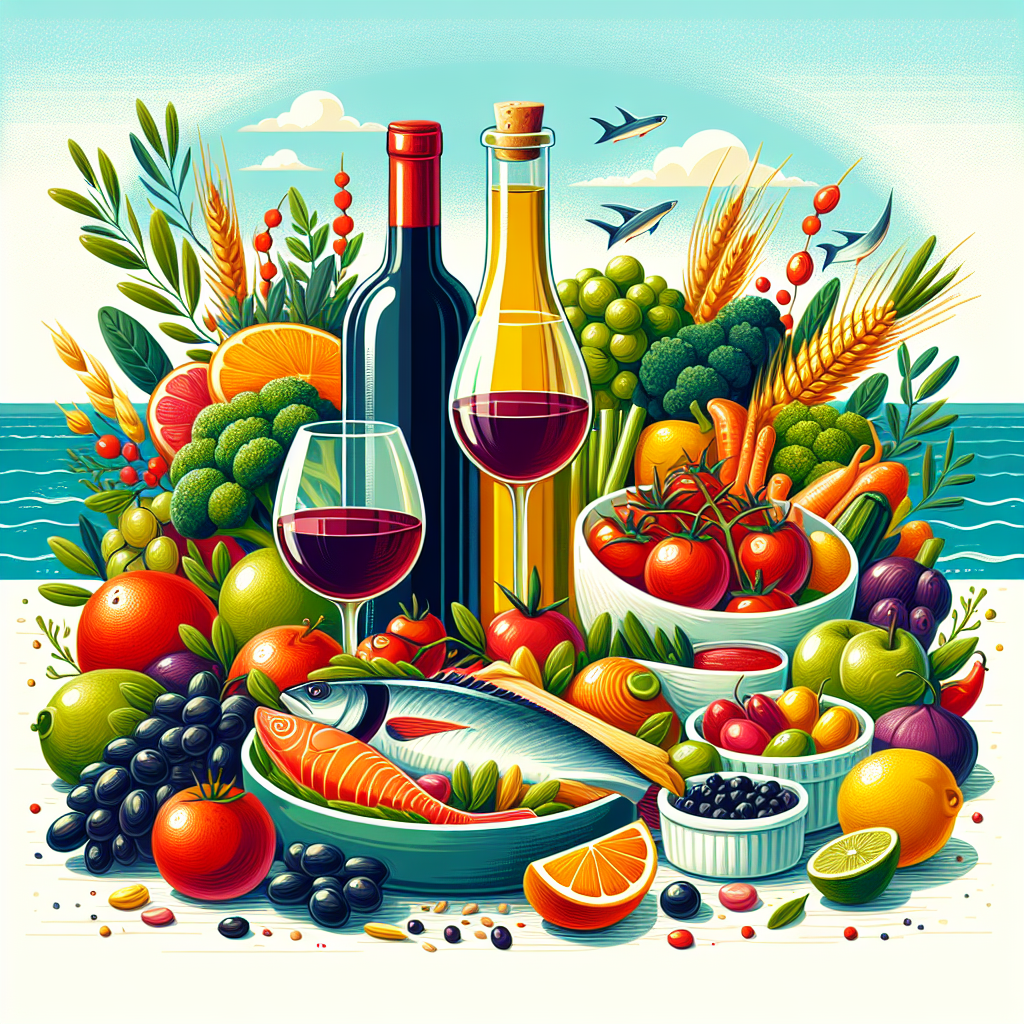
Red Wine and Olive Oil: Balancing the Mediterranean Diet
The well-known and science-supported Mediterranean diet for heart health continues to be a leading choice for those aiming to adopt a sustainable and nutritious lifestyle. Celebrated for its potential to reduce the risk of heart disease by approximately 30%, it also supports cognitive health and weight management. Rooted in the traditional eating habits of southern Italy, Greece, and Spain, the Mediterranean diet focuses on unprocessed foods such as fresh fruits and vegetables, legumes, fish, and whole grains. Two standout ingredients—extra virgin olive oil and red wine—are often highlighted for their unique role within this dietary pattern.
While both ingredients offer specific health advantages, it’s essential to understand their limitations and how to consume them in healthy amounts. Here’s what science and experts advise about red wine and olive oil intake within a balanced Mediterranean lifestyle.
The Role of Red Wine in the Mediterranean Lifestyle
Red wine holds a meaningful place in traditional Mediterranean meals, enjoyed primarily in social settings and always in moderation. In areas like Sardinia and the South of France, wine is typically consumed with meals as part of a cultural ritual rather than as a standalone beverage.
The health benefits of red wine are often linked to antioxidants, especially resveratrol, a naturally occurring compound in grape skins. According to Dr. Michael Jurgelewicz, Director of Product Development and Research at Designs for Health, “Resveratrol has shown promise in reducing inflammation and improving vascular function, which may help protect the heart.”
Resveratrol may support healthy cholesterol levels and guard against arterial damage. However, it’s important to note that these potential benefits do not justify starting to drink alcohol. In fact, the Centers for Disease Control and Prevention (CDC) emphasizes that even moderate alcohol use carries risks, including an increased likelihood of breast cancer and liver strain.
Guidelines for Red Wine Intake
Health authorities such as the American Heart Association and the Mayo Clinic outline moderate alcohol consumption as:
– One 5-ounce glass of red wine per day for women
– Up to two 5-ounce glasses per day for men
Consuming more than this amount is associated with higher risks of high blood pressure, liver damage, addiction, and certain cancers. According to the World Health Organization, alcohol-related dangers are responsible for approximately 1 in 20 deaths globally.
It’s crucial to understand that some people should avoid alcohol entirely. This includes individuals with liver conditions, a history of alcohol dependency, pregnant women, and anyone on medications that interact with alcohol. For guidance on safe combinations, consult medical professionals or visit verified sources like eDrugstore.com.
Keep in mind: The Mediterranean diet does not require wine. Its widely studied health benefits are achieved through a combination of plant-based foods, healthy fats, regular physical activity, and socially engaged eating—not from drinking alcohol.
Olive Oil: A Staple of the Mediterranean Pantry
In contrast to red wine, olive oil is widely accepted as a daily essential in the Mediterranean diet. Extra virgin olive oil, in particular, stands out thanks to its abundance of monounsaturated fats and antioxidant polyphenols. These compounds are associated with reducing LDL (“bad”) cholesterol, improving blood sugar balance, and lowering the risk of chronic conditions, including heart disease and Type 2 diabetes.
The acclaimed PREDIMED study (Estruch et al., 2013) found that individuals who followed a Mediterranean diet supplemented with olive oil reduced their chances of experiencing cardiovascular events by up to 30% when compared to those following a low-fat diet.
“High-quality extra virgin olive oil is more than just a cooking fat—it’s a nutrient powerhouse,” says Dr. Mary Flynn, a nutrition researcher and associate professor at Brown University. “Just using about two tablespoons a day can lead to measurable health improvements.”
Is There Such a Thing as Too Much Olive Oil?
Despite its heart-healthy profile, olive oil is still calorie-dense. One tablespoon provides roughly 120 calories and 14 grams of fat. When not carefully portioned, it can easily lead to excess calorie intake—especially when combined with other oils or fatty ingredients.
Recommended Daily Intake:
– Between 2 and 4 tablespoons (30 to 60 mL) of extra virgin olive oil
You can distribute this amount throughout the day—drizzle one tablespoon over a salad, use another when roasting vegetables, and incorporate a third into homemade dressings or dips. This approach helps you enjoy the full benefits of olive oil without unintentionally over-consuming calories.
Shopping Tip: Choose cold-pressed or first-pressed extra virgin olive oil packaged in dark glass bottles. Check for harvest dates to confirm freshness and maximum antioxidant retention.
How to Maintain Balance with Wine and Olive Oil
So, how can you enjoy the proven benefits of the Mediterranean diet without going overboard on its rich staples?
For red wine, the key is mindful moderation. A glass can complement a well-balanced meal, but it should not become an automatic nightly indulgence. If you don’t currently drink, there’s no reason to begin for health benefits alone.
For olive oil, prioritize consistent but intentional use. Swap it in place of less healthy fat sources. For instance, sauté greens in olive oil instead of butter or create your own vinaigrette using olive oil, lemon juice, and herbs for a clean, balanced flavor.
Practical Tips to Stay on Track
– Measure olive oil when cooking or dressing meals to stay mindful of portions
– Drink wine only with meals and not as a habitual or standalone beverage
– Keep a simple food journal for a few days to evaluate your intake of fats and alcohol
– Focus on variety: Include legumes, fish, leafy greens, whole grains, nuts, and fermented dairy as core elements of your meals
Final Thoughts: Enjoy the Mediterranean Diet with Intention
More than just a meal plan, the Mediterranean diet represents a healthy lifestyle centered around whole foods, movement, and social connection. While olive oil and red wine for cardiovascular benefits are often highlighted, their effects are amplified—or diminished—by how they are incorporated into your overall eating habits.
Drizzle olive oil over roasted vegetables or whole grains, dip your bread in flavored oil instead of butter, and if you enjoy drinking wine, reserve it for meaningful moments shared with others. Balance, variety, and intention are what make this dietary tradition so enduring and effective.
References
– Estruch, R., et al. (2013). “Primary Prevention of Cardiovascular Disease with a Mediterranean Diet.” New England Journal of Medicine. https://www.nejm.org/doi/full/10.1056/NEJMoa1200303
– American Heart Association. “Alcohol and Heart Health.” https://www.heart.org/
– Centers for Disease Control and Prevention (CDC). “Alcohol and Public Health.” https://www.cdc.gov/alcohol/index.htm
– World Health Organization. “Global status report on alcohol and health 2018.” https://www.who.int/
– Mayo Clinic. “Alcohol Use: Weighing Risks and Benefits.” https://www.mayoclinic.org/
– eDrugstore.com. “How Alcohol Interacts with Common Medications.” https://www.edrugstore.com/
Related posts

Unlocking the Weekend Eating Paradox: Why Cheat Meals Can Boost Fat Loss Without Derailing Your Diet
Struggling to stick to your diet over the weekend? Discover the secret to enjoying guilt-free cheat meals while accelerating fat loss! “Unlocking the Weekend Eating Paradox” reveals how strategic indulgences can revitalize your metabolism and amplify results without derailing your progress. Ready to transform your weekends into a powerful weight-loss ally? Dive in now!

Navigating Weekend Overindulgence: How Cheat Meals Impact Progress and Strategies for Sustainable Balance
Struggling with weekend overindulgence? Dive into our latest post, “Navigating Weekend Overindulgence: How Cheat Meals Impact Progress and Strategies for Sustainable Balance.” Discover how cheat meals can be a double-edged sword and learn expert strategies to enjoy indulgences guilt-free, while maintaining your health goals. Unlock the secrets to a balanced lifestyle today!
