
### Unlocking the Weekend Eating Paradox: Planned Cheat Meals for Success
In the realm of dieting, the concept of cheat meals can spark debate. Traditional diet wisdom champions discipline and consistency, often viewing indulgences as a threat to progress. However, recent insights suggest a more nuanced perspective, revealing that strategically planned cheat meals can actually enhance fat loss while maintaining the structure of your diet. This article explores why cheat meals might be more beneficial than you imagined and how to incorporate them effectively into your lifestyle.
### Understanding the Science Behind Cheat Meals
Cheat meals, also known as refeed meals, are based on principles of metabolic regulation and psychological relief. When on a strict diet, your body may experience a slowdown in metabolism due to reduced caloric intake. Cheat meals can act as a catalyst for metabolism. By temporarily raising caloric intake, cheat meals can stimulate metabolism by increasing leptin levels, the hormone that regulates hunger and energy expenditure. According to endocrinologist Dr. Jennifer Brown, “Cheat meals can break the monotony of dieting and help reboot your hormonal balance.”
Additionally, cheat meals replenish glycogen stores, the body’s primary fuel source for intense activities. This replenishment can improve energy levels and workout performance, which is invaluable for maintaining high fitness levels while dieting.
### Psychological Relief and Motivation
Beyond the physiological benefits, cheat meals provide critical psychological relief. Rigid dieting can lead to increased stress, burnout, and eventually, dietary rebellion. By allowing periodic indulgences, you’re less likely to view your meal plan as a stringent obligation and more as an enjoyable journey.
The sustainability of any diet depends heavily on its ability to integrate seamlessly into your lifestyle. Cheat meals enable enjoyment of social events, cultural foods, and favorite indulgences without guilt. This flexible approach fosters a positive relationship with food, supporting the diet’s longevity and effectiveness.
### Crafting the Perfect Cheat Meal Plan: Timing and Frequency
The advantages of cheat meals are evident, yet improper application can undermine your diet. Effective planning of timing and frequency is crucial to maximizing positive effects and minimizing setbacks. A general guideline suggests scheduling cheat meals after a consistent streak of healthy eating and exercise. For most, one cheat meal per week is effective, allowing the body to utilize the increased calories without substantial fat gain.
Enjoy your cheat meal guilt-free but take care with portion sizes. A single indulgence provides an opportunity to relish beloved foods without excessive consumption, which could negate benefits or trigger a binge.
### Quality Over Quantity: Selecting the Right Cheat Foods
The success of cheat meals depends on choosing indulgences that satisfy your cravings and meet nutritional needs. Consuming highly processed, nutrient-poor foods can cause sluggishness, detracting from the meal’s benefits. Instead, opt for enjoyable options with nutritional value, like homemade pizza with a whole-grain crust and diverse toppings or a gourmet burger with sweet potato fries. Balancing treats with nutritious components reduces post-meal lethargy and promotes overall well-being.
### Monitoring Progress and Adjusting Strategy
As with any diet plan, constant monitoring and modification are essential for sustained success. Observe how your body reacts after a cheat meal. If you notice increased energy, an improved mood, or a stable weight, you’re likely on the right track. Conversely, if cheat meals lead to weight fluctuations, digestive issues, or guilt, reconsider your approach. Possible adjustments include altering the frequency of meals, refining portion control, or selecting different foods.
### Embracing Flexibility in Dieting
Cheat meals underscore a key dietary principle: moderation over restriction. Understanding that occasional indulgences don’t negate progress can be liberating and help dieters escape the all-or-nothing mindset that often frustrates weight loss efforts. Moreover, cheat meals are just one aspect of a broader healthy lifestyle and nutrient-rich diet. Prioritizing whole foods, regular exercise, and hydration remain critical for successful weight management.
### A Balanced Path to Success
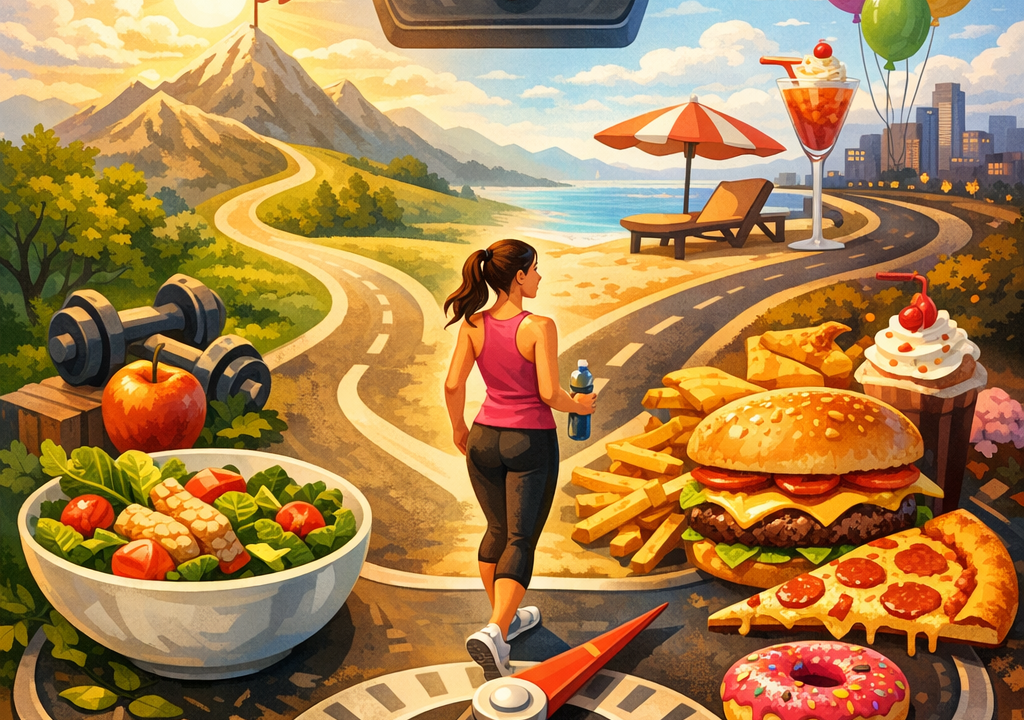
Incorporating cheat meals into your diet isn’t a sign of weakness or failure. Instead, it reflects a balanced approach to health and well-being. By harmonizing indulgence with discipline, you establish a sustainable path to fat loss, honoring both physiological needs and psychological satisfaction. Through planned and mindful indulgence, enjoy the journey to your fitness goals without relinquishing the joys of life’s culinary delights.
### References
– Brown, Jennifer, “How Cheat Meals Aid Hormonal Balance.” Journal of Endocrinology
– “Glycogen Replenishment as a Key Driver of Exercise Performance,” Nutrition Insights, 2023
For additional information about improving your diet and overall well-being, consider visiting eDrugstore.com for health insights and support.
Related posts

Navigating Weekend Overindulgence: How Cheat Meals Impact Progress and Strategies for Sustainable Balance
Struggling with weekend overindulgence? Dive into our latest post, “Navigating Weekend Overindulgence: How Cheat Meals Impact Progress and Strategies for Sustainable Balance.” Discover how cheat meals can be a double-edged sword and learn expert strategies to enjoy indulgences guilt-free, while maintaining your health goals. Unlock the secrets to a balanced lifestyle today!
Navigating Cheat Meals: How Strategic Indulgences Can Help Overcome Weekend Weight Loss Plateaus
Unlock the secret to overcoming weekend weight loss plateaus with strategic indulgences! Discover how navigating cheat meals can boost your metabolism and keep you on track. Learn the art of mindful indulgence that satisfies cravings without derailing your progress. Ready to transform your weekends and hit your goals? Dive in now!
