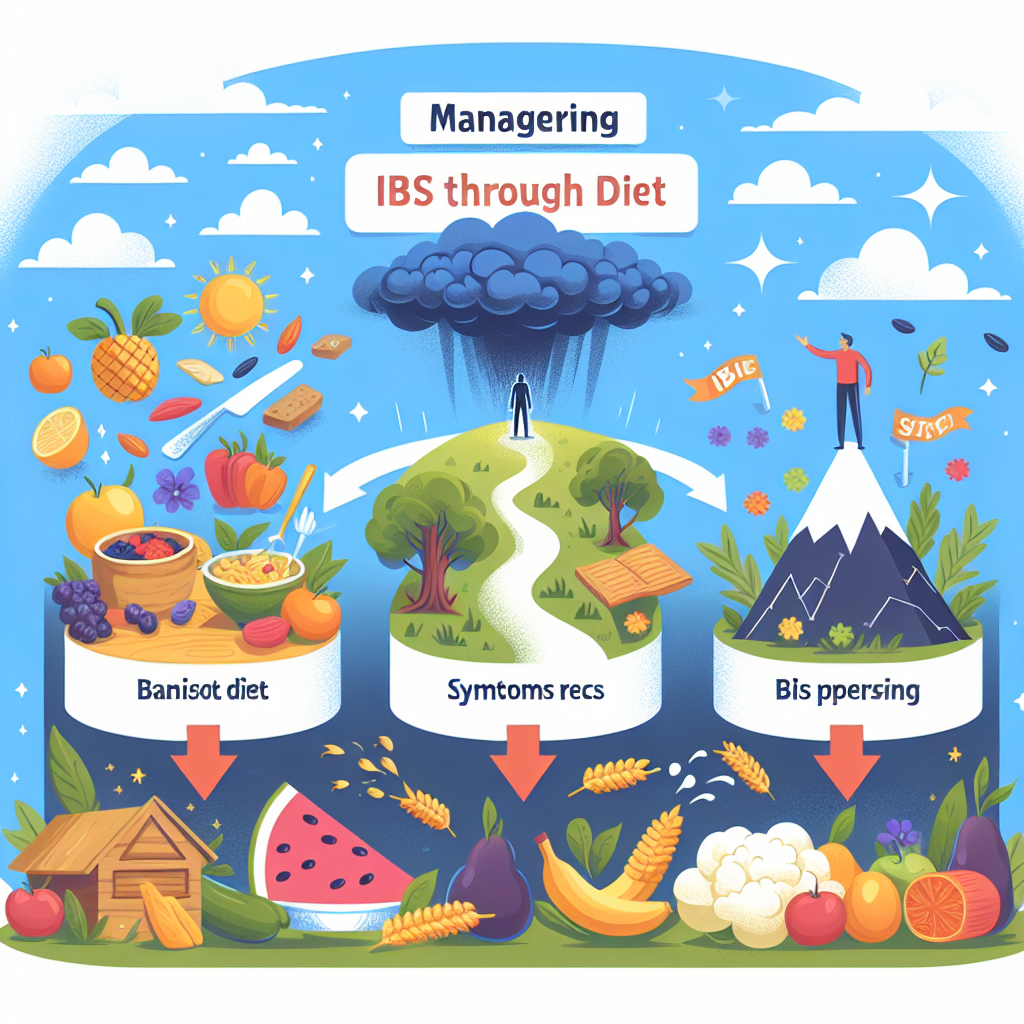
Introduction: Managing IBS with a Strategic Dietary Approach
Living with Irritable Bowel Syndrome (IBS) can feel like navigating a daily minefield. From unpredictable bloating and gas to stomach cramps and unexpected bathroom trips, symptoms often disrupt both personal and professional life. According to the International Foundation for Gastrointestinal Disorders, an estimated 10% to 15% of the global population is affected by IBS.
Fortunately, a scientifically supported solution—the low FODMAP diet for IBS symptom relief—has shown highly effective results. Studies from Monash University (2022) reveal up to 75% of IBS sufferers report significant symptom reduction when following this plan.
This step-by-step dietary strategy helps control food-induced flare-ups and brings real relief. Let’s explore the 3-Step FODMAP Success Strategy and how you can use it for more comfortable, confident living.
What Are FODMAPs and Why Do They Matter?
FODMAP stands for fermentable oligosaccharides, disaccharides, monosaccharides, and polyols. These are short-chain carbohydrates that don’t absorb well in the small intestine. When they reach the large intestine, they ferment quickly and draw in water, contributing to bloating, gas, and discomfort—hallmarks of IBS symptoms.
Dr. Jane Muir, Head of Translational Nutrition Science at Monash University, explains, “This fermentation process leads to gas and byproducts that can trigger pain and irregular bowel movements in IBS patients.”
High-FODMAP foods—such as apples, onions, and milk—are common dietary staples that many with IBS simply can’t tolerate. For example, a typical serving of fruit salad with watermelon and apples may lead to immediate discomfort for someone with FODMAP sensitivity.
For these individuals, the solution lies in targeted dietary changes. Enter the low FODMAP elimination and reintroduction method for IBS—a structured plan to find out which foods your body reacts to.
Step 1: The Elimination Phase – Reset and Rebalance
The first step in the FODMAP strategy involves removing all high-FODMAP foods for a period of 2 to 6 weeks. This phase acts as a digestive reset, giving your gut a break and making it easier to identify which foods are contributing to symptoms.
Common high-FODMAP foods to eliminate include:
– Fruits: apples, pears, mangoes, and watermelon
– Vegetables: onions, garlic, cauliflower, and asparagus
– Dairy: milk, yogurt, and soft cheeses such as ricotta
– Legumes: lentils, chickpeas, and black beans
– Grains: wheat, rye, and barley in large amounts
– Sweeteners: xylitol, sorbitol, and mannitol, often found in sugar-free products
While this might seem overwhelming at first, planning ahead can ease the transition. Registered dietitian Emma Carder advises, “Eliminating high-FODMAP foods doesn’t mean sacrificing nutrition. A dietitian can guide you to ensure you’re still meeting daily fiber and nutrient needs.”
If related issues such as IBS-related diarrhea emerge, online healthcare sources such as eDrugstore.com offer support, including medication options.
Step 2: The Reintroduction Phase – Discover Your Triggers
After your gut has settled, the second phase involves slowly reintroducing one FODMAP group at a time over six to eight weeks. The goal is to identify which components are responsible for your specific symptoms—allowing for a personalized IBS management plan.
For instance, start with lactose by drinking a small glass of milk, then test for fructose later in the week using a handful of grapes. During each reintroduction:
– Monitor for symptoms returning
– Gauge severity levels
– Observe how quickly the symptoms appear
This detailed tracking allows you to map which ingredients your system tolerates and which it cannot. While one person might react intensely to garlic (a high-fructan food), another may find it tolerable in small amounts but experience bloating from apples (high in fructose).
Keeping a food journal or using digital tools like the Monash FODMAP app can help track consistencies and triggers.
Step 3: The Personalization Phase – Build Your Ultimate IBS-Friendly Diet
After the elimination and reintroduction phases, you’ll have clarity on the foods your body accepts and the ones to avoid. Now begins the personalization phase: developing a sustainable eating pattern tailored to your needs.
This step is all about creating a personalized low FODMAP diet for symptom management that’s balanced, varied, and suited to your lifestyle. For example, you might find that sourdough bread sits well with your system, but onions and cauliflower still cause issues.
Experts like Dr. Peter Gibson, a leading FODMAP researcher, stress the importance of nutritional balance: “It’s not about permanent restriction but long-term sustainability. You want to eat a diverse, nutrient-rich diet while minimizing symptoms.”
Your customized IBS-friendly diet may include:
– Fiber from low-FODMAP vegetables such as spinach, carrots, and zucchini
– Calcium-rich options like lactose-free milk or fortified almond milk
– Whole grains including brown rice, buckwheat, and oats
– Fruits like strawberries, kiwi, and oranges
Partnering with a dietitian can help you build a consistent meal plan tailored to your personal triggers and nutritional goals.
Smart Tips for Staying on Track
To set yourself up for success on the FODMAP plan, keep these tips in mind:
– Plan meals ahead of time using known safe foods to avoid last-minute decisions. Example: grilled chicken with quinoa and sautéed spinach.
– Read labels carefully, checking for hidden FODMAPs like inulin or sorbitol, which are often found in sauces and sweeteners.
– Be patient. Identifying patterns and triggers takes time, but accuracy brings clarity.
– Seek assistance. A registered dietitian experienced in IBS management can help optimize results. Also, websites such as eDrugstore.com provide valuable resources and medication support when symptoms persist.
Conclusion: Begin Your FODMAP Journey with Clarity and Confidence
In summary, the 3-step FODMAP diet for IBS control isn’t just another wellness trend—it’s a research-backed protocol that delivers lasting results. By moving through the stages of elimination, reintroduction, and personalization, you’ll gain valuable insights into how your gut responds to different foods.
With reduced bloating, more consistent digestion, and fewer bathroom emergencies, you’ll be able to live with greater freedom and confidence. Empower yourself with the right information, professional guidance, and practical tools—including trusted sources like eDrugstore.com—to transform your gut health journey.
References
– Monash University. (2022). The Low FODMAP Diet. https://www.monashfodmap.com
– International Foundation for Gastrointestinal Disorders. (2023). Understanding IBS. https://www.iffgd.org
– Dr. Peter Gibson and Dr. Jane Muir, Department of Gastroenterology, Monash University
– National Institute for Health and Care Excellence (NICE). (2017). IBS Management Guidelines. https://www.nice.org.uk
– Carder, E. (2020). Registered Dietitian and IBS Specialist, Food & Mood Journal
For further help navigating IBS treatment, from dietary strategies to prescription support, visit eDrugstore.com.
Related posts
Why Pre-Portioned Snacks Work Better Than Willpower
Unlock the secret to effortless portion control with pre-portioned snacks! Ditch the struggle of relying solely on willpower. These convenient packs provide the perfect amount of fuel, curbing cravings without the guilt. Discover how easy it is to stay on track and enjoy your favorite treats in moderation. Start snacking smarter today!
The “Healthy Halo” Effect: How Labels Trick You Into Overeating
Unlock the secret behind the “Healthy Halo” effect that’s making you overeat without realizing it! Discover how cleverly designed labels trick your mind into consuming more than you should. Dive into our blog to learn how to outsmart these marketing strategies and make healthier food choices effortlessly. Start eating smarter today!
