### The Impact of Healthy Labels on Eating Habits
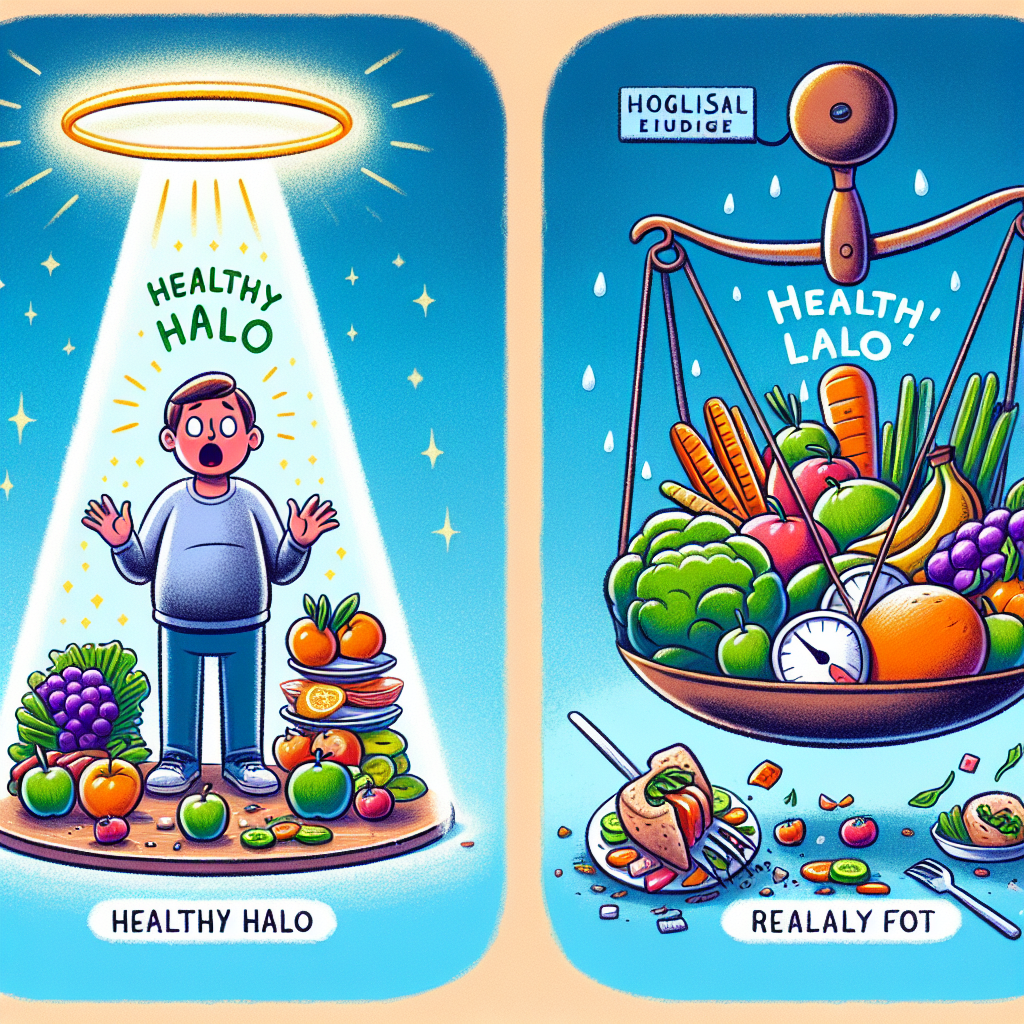
In today’s health-conscious society, people are increasingly scrutinizing what they consume to align with their dietary goals. Labels that convey a healthy image have become potent tools used by marketers to attract consumers. However, this strategy often results in the “Healthy Halo” effect, where packaging and branding mislead consumers into believing a product is healthier than it truly is, frequently leading to overeating. This article explores how this effect works, its impact on consumer behavior, and how to make more informed choices.
### Decoding the Healthy Halo Effect
The Healthy Halo effect is a cognitive bias influencing our perception of food, where we focus on a single positive attribute while ignoring other important factors. For example, labels such as “organic,” “gluten-free,” “low-fat,” and “natural” can mislead consumers into thinking they are making a healthier choice. According to psychologist Dr. Brian Wansink, “The presence of health claims can lead consumers to overlook the actual healthiness of the food.”
Food companies exploit this bias by prominently featuring these health-related terms on their packaging. A “low-fat” label might prompt consumers to ignore its high sugar content, resulting in the consumption of unnecessary calories and unhealthy ingredients.
### Psychology and Marketing: A Powerful Combination
Marketers are adept at persuasion, using the Healthy Halo to influence purchasing decisions. A study published in the Journal of Marketing Research found that products with health-related claims are often perceived as lower in calories, which can lead individuals to eat more than intended. Behavioral economist Dan Ariely explains that “when people believe they’re making a healthy choice, they tend to overeat.”
This effect does more than impact calorie intake; it also skews our understanding of nutrition. For example, a “sugar-free” label might obscure sugar alternatives that still affect health.
### The Consequences of Misjudging Health Halos
The implications of the Healthy Halo effect are significant. Consuming processed foods marketed as healthy can lead to weight gain and other health issues. The World Health Organization reports that a 10% reduction in sugar intake could significantly reduce the risk of obesity-related diseases. Additionally, purchasing “healthier” products can result in higher grocery bills without yielding the expected health benefits.
Believing in a false sense of health can also detract from genuine nutritional knowledge, severely impacting long-term dietary habits.
### Smart Shopping: How to Deconstruct Labels
To counteract the Healthy Halo effect, consumers should become label-savvy and critical thinkers. Here are some tips for navigating the grocery aisles:
1. **Look Beyond the Label**: Don’t let catchy marketing phrases dictate your choices. Always check the nutrition facts and ingredients list for a complete picture.
2. **Compare Products**: Compare an “organic” item with a non-organic version by checking the nutritional values, such as sugar and sodium levels.
3. **Watch for Hidden Sugar and Fat**: Products labeled as “low-fat” or “sugar-free” might contain alternative ingredients that can impact health.
4. **Prioritize Whole Foods**: Whole foods like fruits, vegetables, and whole grains are naturally nutritious without needing labels.
5. **Educate Yourself**: Understanding common nutrition myths and marketing strategies is crucial. Utilize resources to learn more about nutrition and health.
### Balancing Health with Marketing
Recognizing the Healthy Halo effect is a crucial step in overcoming its influence. By being aware of how marketing tactics impact perceptions, consumers can make more informed health choices. Ultimately, it’s essential to question and research products before adding them to your shopping cart. As consumers, we hold the power in our choices. Remember to pause when reaching for a product boasting a “healthy” label and consider if it truly meets your dietary needs. Our health decisions should be guided by informed understanding rather than marketing tactics.
**References**:
1. Wansink, B. Journal of Marketing Research. “Marketing Nutrition: Soy, Functional Foods, Biotechnology, and Obesity.”
2. World Health Organization. (2015). Guideline: Sugars intake for adults and children.
3. Ariely, D. “Predictably Irrational: The Hidden Forces That Shape Our Decisions.”
Related posts
The Grocery Store Trap: Why You Buy More When You Shop Hungry
Ever walked into a grocery store intending to buy just a few items, only to leave with a cart full of snacks and treats? Discover the psychology behind “The Grocery Store Trap” and learn why shopping on an empty stomach could be inflating your expenses. Uncover strategies to shop smarter and save more today!

Why Certain Foods Feel More “Rewarding” at Night
Craving that midnight snack? You’re not alone. Discover why your brain finds certain foods more rewarding at night, and how this nocturnal indulgence impacts your health. Dive into the science of late-night munchies and learn which guilt-free choices can satisfy your cravings and transform your nighttime routine. Embrace healthier nights!
