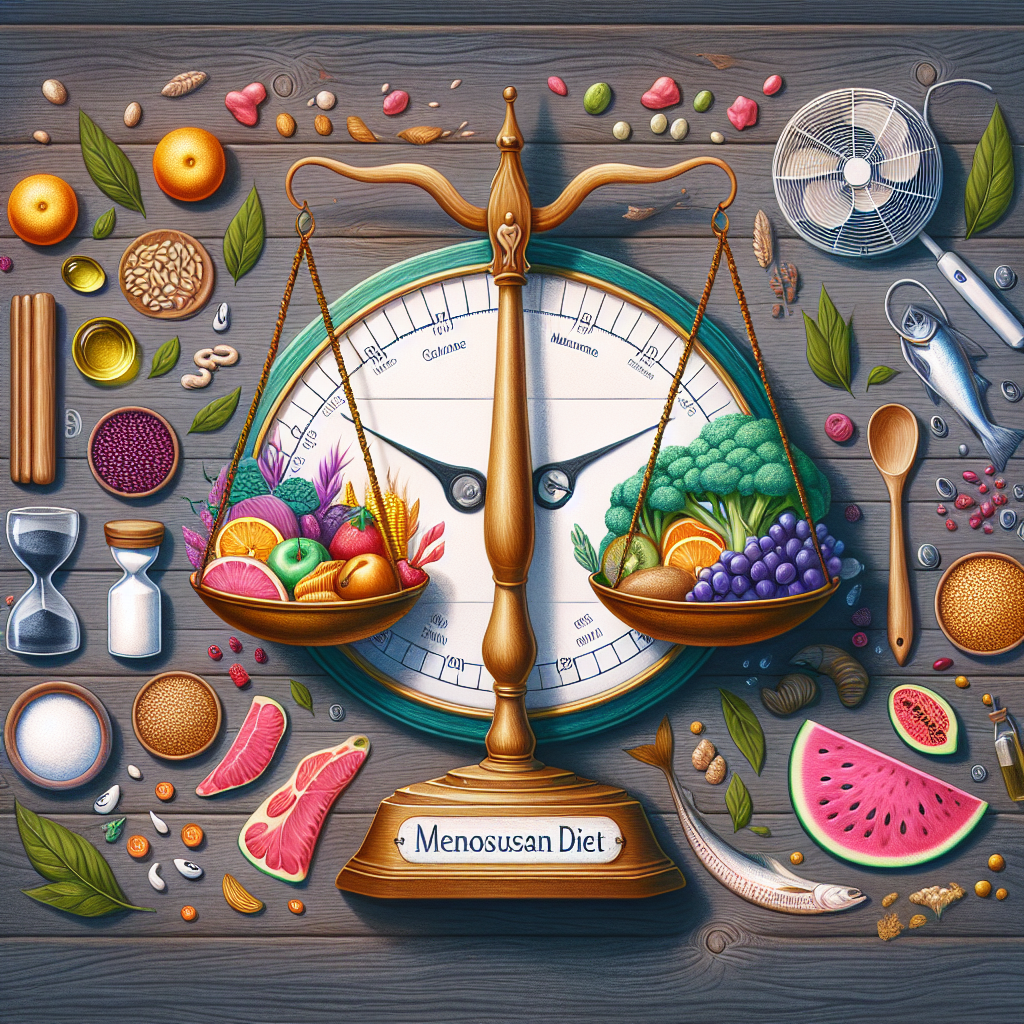
Managing Menopause Through Nutrition
Navigating menopause can feel like a rollercoaster—hot flashes, sleep disturbances, mood swings, and unexpected weight gain are just some of the symptoms many women face. In fact, studies show that up to 75 percent of women experience vasomotor symptoms like hot flashes and night sweats during this transitional phase.
To alleviate these discomforts and regain balance, many women are turning to nutrition as a key tool. Two popular dietary approaches that aim to ease menopause symptoms are the Galveston Diet and the traditional Mediterranean Diet. But which is more effective?
Let’s break down both to help you make the right choice for your body and lifestyle.
Why Menopause Affects Your Metabolism
Before diving into diet comparisons, it’s critical to understand why your body suddenly feels different during menopause. As estrogen levels decline, your body tends to store more fat—particularly around the midsection—while muscle mass naturally decreases. This combination slows your metabolism and may contribute to insulin resistance, increasing the likelihood of weight gain without any changes to your eating habits.
“During menopause, hormonal shifts trigger metabolic changes that make fat storage easier and fat loss harder,” explains Dr. Mary Claire Haver, OB-GYN and creator of the Galveston Diet. “That’s why a tailored nutritional approach is so important.”
Adopting a healthy diet during menopause can also reduce long-term health risks such as heart disease, diabetes, and osteoporosis—conditions for which postmenopausal women are more susceptible.
What Is the Galveston Diet?
Designed specifically for perimenopausal and menopausal women, the Galveston Diet is a science-backed plan created by Dr. Mary Claire Haver. Its goal is to combat inflammation, stabilize hormones, and support fat loss. The diet is based on three core pillars:
– Anti-inflammatory foods: Emphasis on vegetables, fruits, lean proteins, and healthy fats like avocado and olive oil.
– Intermittent fasting: Typically follows a 16:8 strategy (eating within an 8-hour window).
– Low-carb, high-fat intake: Encourages healthy fats while limiting refined carbohydrates, grains, and sugars.
Dr. Haver explains, “The Galveston Diet helps reset metabolism by reducing insulin spikes and inflammation—two key drivers of menopausal fatigue and weight gain.”
What Is the Mediterranean Diet?
The Mediterranean Diet is inspired by the traditional eating habits of countries bordering the Mediterranean Sea. This eating pattern is known for its heart-protective, anti-inflammatory benefits—especially important for postmenopausal health.
Key components of the Mediterranean Diet include:
– Plant-forward meals: A heavy emphasis on vegetables, fruits, legumes, and whole grains.
– Healthy fats: Primarily from olive oil, nuts, seeds, and fatty fish.
– Lean proteins: Regular intake of seafood and poultry with limited red meat.
– Optional wine: A moderate amount of red wine (around one glass per day).
– Lifestyle focus: Encourages mindful eating and consistent physical activity like biking or walking.
Research further supports its effectiveness—a 2020 review in Nutrients found that women who followed the Mediterranean Diet had up to a 30 percent lower risk of heart disease after menopause.
Shared Strengths of the Galveston and Mediterranean Diets
Although they differ in approach, the Galveston and Mediterranean Diets share several benefits that make them both excellent choices for midlife health:
– Whole food emphasis: Both steer clear of ultra-processed items, instead favoring natural, minimally refined ingredients.
– Anti-inflammatory nutrients: Healthy fats like olive oil and avocado help reduce chronic inflammation linked to skin aging, joint discomfort, and mood swings.
– Reduced sugar intake: Both plans minimize added sugars—a crucial factor in supporting hormonal balance during menopause.
– Inflammation control: Nutrient-dense, antioxidant-rich foods in both diets can reduce symptoms like disrupted sleep, irritability, and fatigue.
A 2021 NIH study found that women who followed anti-inflammatory food plans experienced reduced menopause-related symptoms, especially related to mood and energy.
Key Differences Between the Galveston and Mediterranean Diets
Despite their overlapping health benefits, there are some significant differences that may determine which is a better fit for your needs:
– Intermittent Fasting: A defining feature of the Galveston Diet, intermittent fasting may improve insulin sensitivity and support weight regulation during menopause. The Mediterranean Diet, on the other hand, encourages regular meals without timed eating windows.
– Carbohydrate Inclusion: The Galveston Diet is low in carbs and discourages grains and starches. In contrast, the Mediterranean Diet happily incorporates complex carbs like brown rice, lentils, and chickpeas.
– Menopause-Specific Targeting: While the Mediterranean Diet is ideal for overall aging and cardiovascular health, the Galveston Diet is specifically designed with menopausal hormone fluctuations in mind.
Which Diet Works Best for You?
Choosing between the Galveston and Mediterranean Diet depends largely on your personal preferences, nutritional needs, and health goals. Here’s a quick comparison:
Choose the Galveston Diet if you:
– Are dealing with insulin resistance, fatigue, or belly fat.
– Prefer clear structure and intermittent fasting.
– Want a plan that directly addresses hormonal changes.
Choose the Mediterranean Diet if you:
– Value flexibility and enjoy sharing meals socially.
– Seek a sustainable plan that fits the entire family.
– Prefer consistent energy levels without the restriction of fasting.
– Focus primarily on heart and brain health during menopause.
For example, if you’re in your early 50s and looking for a manageable, family-friendly way to eat healthier and lose weight gradually, the Mediterranean Diet might be best. But if you’re struggling with sugar cravings, energy crashes, or stubborn fat in midlife, the Galveston Diet’s structured, low-carb approach could provide quicker relief.
Can You Combine Both Diets?
Absolutely. Some women blend both approaches to create a sustainable hybrid. For instance, you might stick to a Mediterranean menu with whole grains, vegetables, and lean proteins—while following the Galveston Diet’s intermittent fasting model. This fusion can offer metabolic benefits with long-term sustainability.
Creating Your Personalized Menopause Nutrition Plan
There’s no one-size-fits-all solution when it comes to menopause nutrition. Both the Galveston and Mediterranean Diets provide evidence-based approaches to relieve symptoms, reduce inflammation, and maintain energy.
Here’s what they offer:
– Support for hormonal balance and mood regulation.
– Tools to reduce inflammation and improve heart health.
– Long-term benefits that prioritize consistency over restrictive quick fixes.
The best plan is the one you can stick with—and that supports how you want to feel each day.
As Dr. Haver puts it, “There are no perfect diets, only personalized strategies that help you feel your best.”
Whether you go with a structured plan, a flexible lifestyle, or a combination of both, the key is alignment with your individual needs.
Empower Your Midlife Wellness Journey
Ready to take the next step in managing menopause symptoms for good? Visit edrugstore.com to explore expert-reviewed articles, personalized wellness guides, and prescription solutions tailored for midlife women.
Let food become a source of strength—not stress—as you navigate this powerful transition.
Related posts

Why Pre-Portioned Snacks Work Better Than Willpower
Unlock the secret to effortless portion control with pre-portioned snacks! Ditch the struggle of relying solely on willpower. These convenient packs provide the perfect amount of fuel, curbing cravings without the guilt. Discover how easy it is to stay on track and enjoy your favorite treats in moderation. Start snacking smarter today!
The “Healthy Halo” Effect: How Labels Trick You Into Overeating
Unlock the secret behind the “Healthy Halo” effect that’s making you overeat without realizing it! Discover how cleverly designed labels trick your mind into consuming more than you should. Dive into our blog to learn how to outsmart these marketing strategies and make healthier food choices effortlessly. Start eating smarter today!
