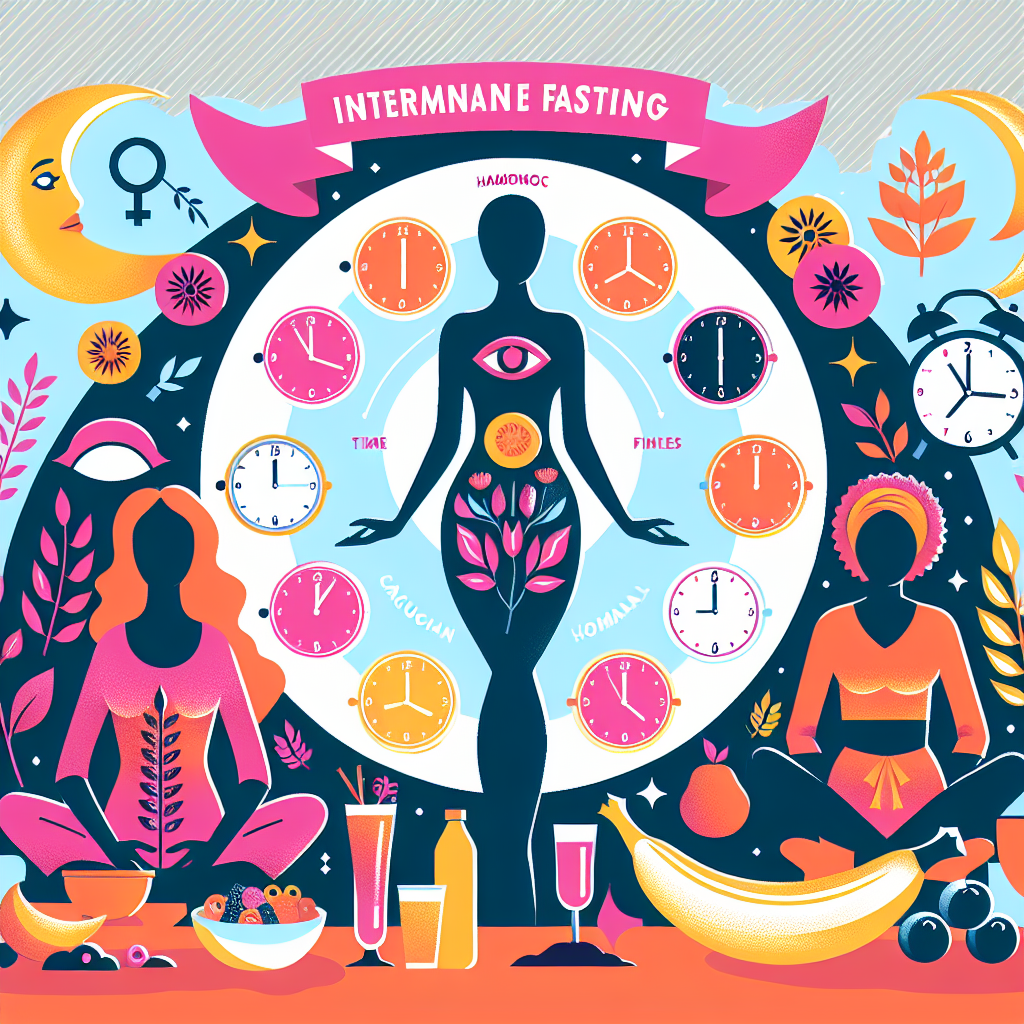
Intermittent Fasting for Women: Aligning with Your Hormonal Cycle
Intermittent fasting (IF) has gained widespread popularity as a wellness strategy, especially for achieving better metabolic health, sustainable fat loss, and improved energy levels. While both men and women can benefit from IF, women should approach it with more nuance, especially due to monthly hormonal fluctuations. Overlooking these physiological rhythms can affect hormone balance, elevate stress, and even impact fertility.
This guide offers a comprehensive breakdown of how to implement a cycle-synced intermittent fasting strategy that enhances overall wellness while respecting your hormonal needs.
What Is Intermittent Fasting?
Intermittent fasting isn’t a traditional diet—it’s an eating schedule. Common IF patterns include:
– 16:8 method: 16 hours of fasting, 8-hour eating window
– 5:2 method: Eat normally for five days, restrict calories to 500–600 for two non-consecutive days
– Alternate-day fasting: Eat every other day and fast or restrict intake on alternating days
These regimens have shown benefits such as improved blood sugar control, reduced inflammation, and more effective weight management. A 2011 study found intermittent fasting can reduce body weight by 3–8% over a period of 3–24 weeks (Varady, 2011).
However, for women, rigid or prolonged fasting methods may disrupt hormonal balance due to natural changes in estrogen and progesterone levels. These hormones influence appetite, energy, and stress response, making it crucial to personalize any fasting schedule.
Why Women Need a Customized Fasting Schedule
According to Dr. Stacy Sims, author of ROAR, “Women are not just small men with different hormones. They require distinct nutrition and training approaches.”
Women’s hormonal systems interact with their metabolism and appetite in ways that change throughout the menstrual cycle:
– Estrogen supports appetite reduction and enhances insulin sensitivity
– Progesterone increases calorie burn but can trigger cravings and fat retention
– Cortisol, the stress hormone, can spike when fasting during sensitive cycle phases
Adapting intermittent fasting to these hormonal shifts can help you gain the benefits of IF without negative side effects like fatigue, irritability, or menstrual irregularities.
How to Sync Intermittent Fasting with Your Menstrual Cycle
Here’s a week-by-week guide to adjusting intermittent fasting strategies to align with your hormonal cycle. Use your menstrual cycle as a built-in tracker for when to push forward or ease back.
Menstrual Phase (Days 1–5): Focus on Recovery and Nourishment
Hormone levels including estrogen and progesterone drop during menstruation, often leading to reduced energy and heightened emotional sensitivity.
Suggested fasting window: 12:12 or 14:10
Tips:
– Choose iron-rich foods like spinach, lentils, and grass-fed beef to replenish your body
– Stay hydrated with mineral-rich herbal teas such as nettle or raspberry leaf infusion
– Eat easy-to-digest meals like bone broth, oats, and cooked vegetables
Example: If your cycle begins on a Monday, adopt a 14:10 fasting window paired with nutrient-dense meals such as a quinoa bowl with greens, avocado, and roasted salmon.
Follicular Phase (Days 6–13): Best Time to Fast
As menstruation ends, estrogen rises, which boosts energy, mood, and insulin sensitivity—creating an ideal environment for intermittent fasting.
Suggested fasting window: 16:8
Tips:
– Build meals with leafy greens, cruciferous vegetables, clean proteins, and healthy fats
– Consider engaging in fasted workouts like light resistance training or cardio in the morning
– Replenish electrolytes, especially if physical activity increases
Example: A 16:8 fast might see you eating between 10 AM and 6 PM. Break your fast with a balanced plate of scrambled eggs, roasted sweet potatoes, and avocado with greens.
Ovulatory Phase (Days 14–17): Sustain Energy and Stay Balanced
Ovulation brings a temporary peak in estrogen and an uptick in strength, confidence, and libido. However, as progesterone begins increasing, your body becomes more sensitive to physical and psychological stress.
Suggested fasting window: 14:10 or continue with 16:8 if energy remains high
Tips:
– Incorporate mood-stabilizing nutrients such as B-vitamins and zinc
– Ensure balanced meals featuring omega-3 fats, complex carbohydrates, and lean proteins
– Avoid under-eating, as your body needs nutrients for hormonal synthesis
Example: A meal plan during this phase might include a grilled chicken quinoa salad topped with chopped walnuts and a turmeric vinaigrette.
Quote from an Expert:
“During ovulation, a woman’s body is highly efficient at utilizing nutrients for reproduction and performance. Support it with quality food rather than restriction.” — Dr. Lara Briden, naturopathic doctor and author of The Period Repair Manual
Luteal Phase (Days 18–28): Loosen Your Fasting Window
In this premenstrual phase, progesterone peaks and your body burns slightly more calories (up to 300 extra daily), but is also more reactive to stress. Fasting too rigorously here can increase cravings, fatigue, and irritability.
Suggested fasting window: 12:12 or intuitive eating (listen to your body)
Tips:
– Include complex carbohydrates like oats, root vegetables, or brown rice to help balance mood
– Magnesium-rich foods such as pumpkin seeds, spinach, and dark chocolate can reduce PMS-related symptoms
– Take a break from high-intensity workouts; opt instead for gentle yoga or walking
Example: Skip fasting on heavy craving days. Nourishing meals like chickpea curry with roasted squash and a side of steamed kale can offer comfort and support.
Benefits of Cycle-Synced Intermittent Fasting
When done right, syncing intermittent fasting with your cycle can contribute significantly to women’s hormonal and metabolic health. A 2021 study in the Journal of Clinical Endocrinology & Metabolism found that aligning dietary habits with menstrual rhythms enhances insulin function, mood, and reproductive wellness (Karjalainen et al., 2021).
Reported benefits include:
– More regular and manageable menstrual cycles
– Reduced PMS symptoms
– Sustainable fat loss and better metabolism
– Improved energy, mental clarity, and emotional well-being
Conclusion: Flexibility Is the Key to Sustainable Fasting
Rigid routines don’t suit every day of a woman’s cycle—and that’s perfectly normal. The most successful intermittent fasting strategy is one tailored to your body’s changing needs.
Think of your menstrual cycle as a natural roadmap. Use it to guide you—fast more when your body is primed for it, and ease back when it calls for rest and recovery.
Want to learn more about optimizing your health? For expert-supported advice and personalized treatment options, visit edrugstore.com and connect with licensed physicians who understand your hormonal needs.
Ready to Get Started?
Start by tracking your menstrual cycle using a free app like Clue, Flo, or MyFLO. Then test different fasting windows based on your cycle phase. Stay flexible—adjust your plan according to how your body responds each week. If you’re feeling strong post-period, use the 16:8 window. If bloating or rapid mood shifts occur in the luteal phase, scale back.
Ultimately, your success with intermittent fasting depends on how well it supports—not stresses—your hormonal health.
References
– Varady, K. A. (2011). Intermittent versus daily calorie restriction: which diet regimen is more effective for weight loss? Obesity Reviews, 12(7), e593–e601.
– Karjalainen, M. et al. (2021). Menstrual Cycle-Dependent Impact of Diet on Metabolism and Reproductive Hormones. Journal of Clinical Endocrinology & Metabolism.
– Sims, S. (2016). ROAR: How to Match Your Food and Fitness to Your Unique Female Physiology.
– Briden, L. (2017). The Period Repair Manual.
Disclaimer: This article is intended for informational purposes only. Consult a healthcare provider before starting any fasting or dietary program, especially if you are pregnant, breastfeeding, or managing a medical condition.
Related posts
Why Pre-Portioned Snacks Work Better Than Willpower
Unlock the secret to effortless portion control with pre-portioned snacks! Ditch the struggle of relying solely on willpower. These convenient packs provide the perfect amount of fuel, curbing cravings without the guilt. Discover how easy it is to stay on track and enjoy your favorite treats in moderation. Start snacking smarter today!
The “Healthy Halo” Effect: How Labels Trick You Into Overeating
Unlock the secret behind the “Healthy Halo” effect that’s making you overeat without realizing it! Discover how cleverly designed labels trick your mind into consuming more than you should. Dive into our blog to learn how to outsmart these marketing strategies and make healthier food choices effortlessly. Start eating smarter today!
