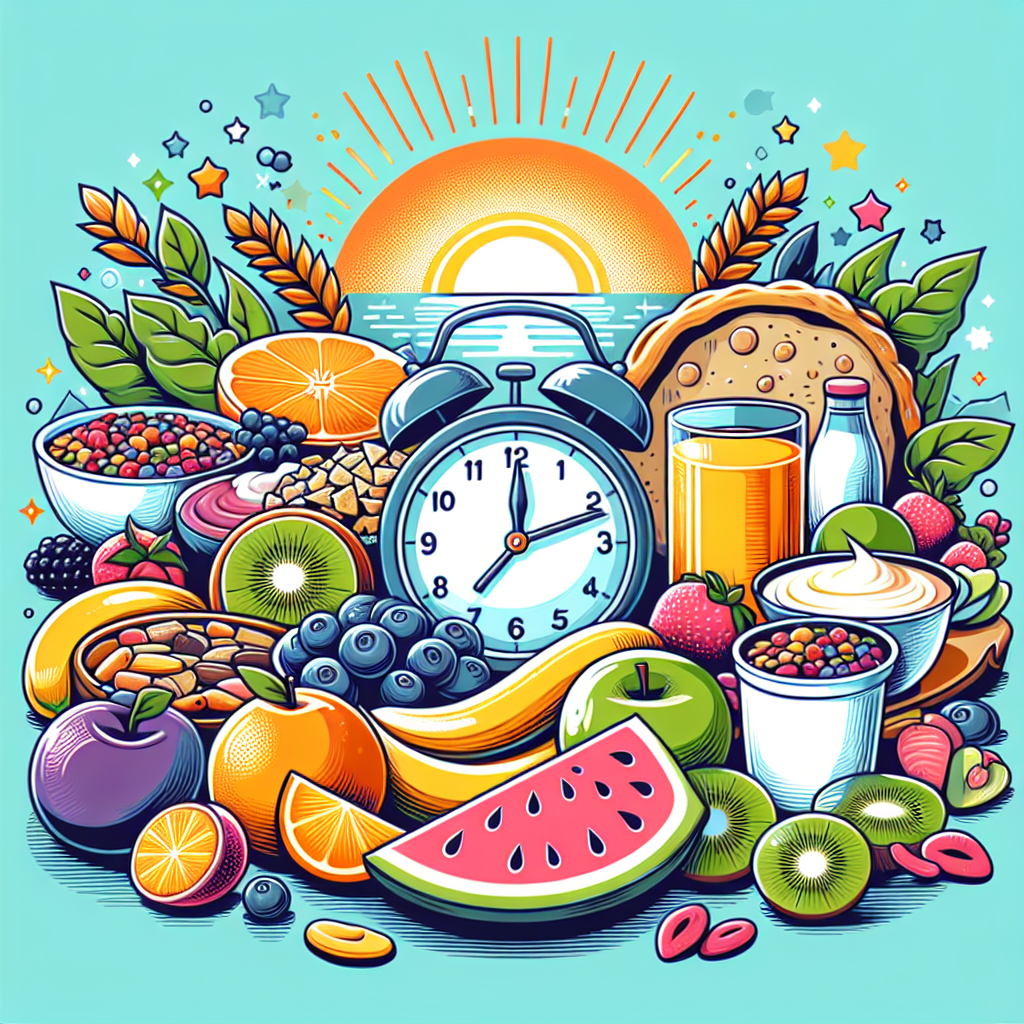
Breaking the Fast: Why Your First Meal Matters More Than You Think
Understanding the Importance of Your First Meal
Whether you start your day with a cup of coffee, a protein-packed smoothie, or choose to skip breakfast entirely, how you begin your morning significantly affects your overall health. Breakfast does more than satisfy hunger—it sets the tone for your physical and cognitive performance throughout the day.
Research reveals that individuals who regularly skip breakfast are 27% more likely to develop cardiovascular disease compared to those who eat a morning meal (Journal of the American College of Cardiology).
“The first meal sets the metabolic tone for the day,” says Dr. Lisa Mosconi, neuroscientist and author of Brain Food. “It’s fuel for both your body and brain.”
Let’s explore why beginning your day with a nutritious breakfast can elevate energy levels, enhance focus, and improve long-term health outcomes.
The Meaning Behind “Breaking the Fast”
The term “breakfast” literally refers to breaking the overnight fast—typically a restful period of 8 to 12 hours when the body repairs and rejuvenates. Once awake, your body begins transitioning back into an active metabolic state, which is why activating morning metabolism is vital.
“Eating within 1 to 2 hours of waking signals your brain and endocrine system that it’s time to energize,” explains Dr. Mark Hyman, a leading expert in functional medicine. Skipping breakfast can disrupt cortisol balance, destabilize blood sugar, and interfere with dopamine levels, often leading to symptoms such as irritability, low energy, and brain fog.
For instance, relying solely on a sugary coffee beverage during your commute may trigger a temporary energy boost, followed by a crash that promotes fatigue and excessive snacking.
For trusted strategies on maintaining stable blood sugar and staying alert throughout the day, visit resources such as edrugstore.com.
The Science Supporting a Strong Start
Morning is the most effective time to fuel the body, as insulin sensitivity is naturally higher during the early hours (Journal of Clinical Endocrinology & Metabolism). This allows cells to metabolize glucose more efficiently, reducing the likelihood of fat storage and promoting sustained energy.
According to the American Journal of Clinical Nutrition, consuming a breakfast with at least 25 to 30 grams of protein reduces ghrelin—the hormone responsible for triggering hunger—and enhances satiety and blood sugar regulation.
One clinical trial found that teenagers who consumed a high-protein breakfast had 60% fewer cravings for sugary and high-fat foods later in the day (Leidy et al., 2013).
“Protein and fiber in the morning work like an appetite control duo,” notes registered dietitian Keri Glassman. “They help avoid blood sugar crashes that negatively impact focus and productivity.”
Common Breakfast Pitfalls to Avoid
Even with good intentions, many individuals fall into unhealthy breakfast habits that can affect performance and wellness:
– Skipping Breakfast: Regularly missing the first meal of the day is linked to increased snacking and gradual weight gain (Nutrients Journal, 2019).
– Choosing High-Sugar Foods: Many flavored yogurts, bakery items, and cereals pack up to 24 grams of sugar per serving—nearing the recommended daily limit in one meal.
– Overloading on Carbs Without Protein: Meals high in refined carbohydrates but low in protein digest quickly, resulting in hunger and fatigue within a couple of hours.
– Neglecting Fiber: Fiber supports digestion and blood sugar management. Aim for 5–8 grams in the morning from foods like oats, berries, or chia seeds.
Example: A cinnamon roll paired with orange juice may seem convenient, but it’s largely comprised of sugar and carbohydrates with minimal nutrients—leading to an energy slump by mid-morning.
What Does a Balanced Breakfast Look Like?
A well-rounded breakfast includes a combination of healthy protein, complex carbohydrates, and beneficial fats. Here are some wholesome examples:
– Scrambled eggs with spinach, cherry tomatoes, and avocado on whole-grain toast
– Greek yogurt topped with chia seeds, blueberries, and walnuts
– Oatmeal prepared with almond milk, ground flaxseeds, peanut butter, and banana
– Smoothie blended with protein powder, kale, frozen berries, and almond butter
Portion Tip: Use a visual guide—palm-sized protein, a cupped hand of complex carbohydrates, and a thumb-sized portion of healthy fats.
Want personalized recipes aligned with your health goals such as weight loss, muscle building, or enhanced mental clarity? Explore the Healthy Eating Resource section at edrugstore.com for customized meal plans.
Brainpower Begins with Breakfast
Your brain consumes about 20% of your body’s total energy, and glucose serves as its primary fuel. However, the source of this glucose matters. Highly processed carbohydrates can cause rapid blood sugar spikes, followed by dramatic crashes—leading to distractions, poor focus, and irritability.
Studies published in Frontiers in Human Neuroscience show that students who enjoyed a high-protein, fiber-rich breakfast scored 17% higher on memory tasks and exhibited faster reaction times than those who skipped breakfast.
“Think of breakfast as brain prep,” says Dr. Uma Naidoo, nutritional psychiatrist and author of This Is Your Brain on Food. “Eating whole foods in the morning helps improve mood, lower anxiety, and maintain mental clarity.”
Example: A vegetable and egg scramble paired with avocado toast can stabilize mood and focus more effectively than a quick granola bar or just coffee.
Tips to Make Breakfast Easier to Maintain
If you’re short on time or lack morning appetite, these strategies can help create a consistent and stress-free morning breakfast routine:
– Prepare Meals in Advance: Use Sundays to pre-make overnight oats, breakfast egg muffins, or chia seed puddings.
– Plan Ahead: Decide what you’ll have for breakfast the night before to ease the morning rush.
– Start Small: If you don’t feel hungry right away, begin with something light, like half a cup of Greek yogurt or a boiled egg.
– Create a Routine: Eating at the same time daily helps regulate your metabolism and hunger cues.
Consistency matters, especially if you are managing chronic conditions that require stable energy and blood sugar levels. For more insights, consult a healthcare provider or visit edrugstore.com for information on supportive supplements.
Final Thoughts: Start Your Day with Intention
Breakfast is more than just your first meal—it’s an infusion of fuel, focus, and nourishment that affects your entire day. Opting for a balanced combination of proteins, fiber, and healthy fats enhances physical performance, cognitive sharpness, and emotional resilience.
“Eat like your future depends on it—because it does,” advises Dr. Michael Greger, renowned physician and author of How Not to Die.
The choices you make in the morning dictate your energy, appetite, and decision-making later on. Make the conscious decision to invest in your well-being, starting with your first bite of the day.
Fuel Your Morning, Every Morning
Don’t leave your mornings to chance. Sign up for our newsletter and receive:
– Weekly high-protein and high-fiber breakfast recipes
– Lifestyle tips to boost morning focus and productivity
– Exclusive interviews with health experts and wellness coaches
Get ready to start your day with purpose, clarity, and energy.
Ready to Take Control of Your Mornings?
Start your journey with expert tips for a healthier, more energized lifestyle. Subscribe now and transform your breakfast habits for good.
References
– Leidy, H. J., et al. (2013). The role of protein in weight loss and maintenance. American Journal of Clinical Nutrition.
– Frontiers in Human Neuroscience (2017). Breakfast food types and cognitive function.
– Journal of Clinical Endocrinology & Metabolism (2019). Metabolic responses based on circadian rhythm.
– Journal of the American College of Cardiology (2017). Breakfast and cardiovascular disease risk.
– Nutrients Journal (2019). Consequences of breakfast skipping.
– Dr. Mark Hyman, The Blood Sugar Solution
– Dr. Lisa Mosconi, Brain Food
– Dr. Uma Naidoo, This Is Your Brain on Food
– Dr. Michael Greger, How Not to Die
Related posts
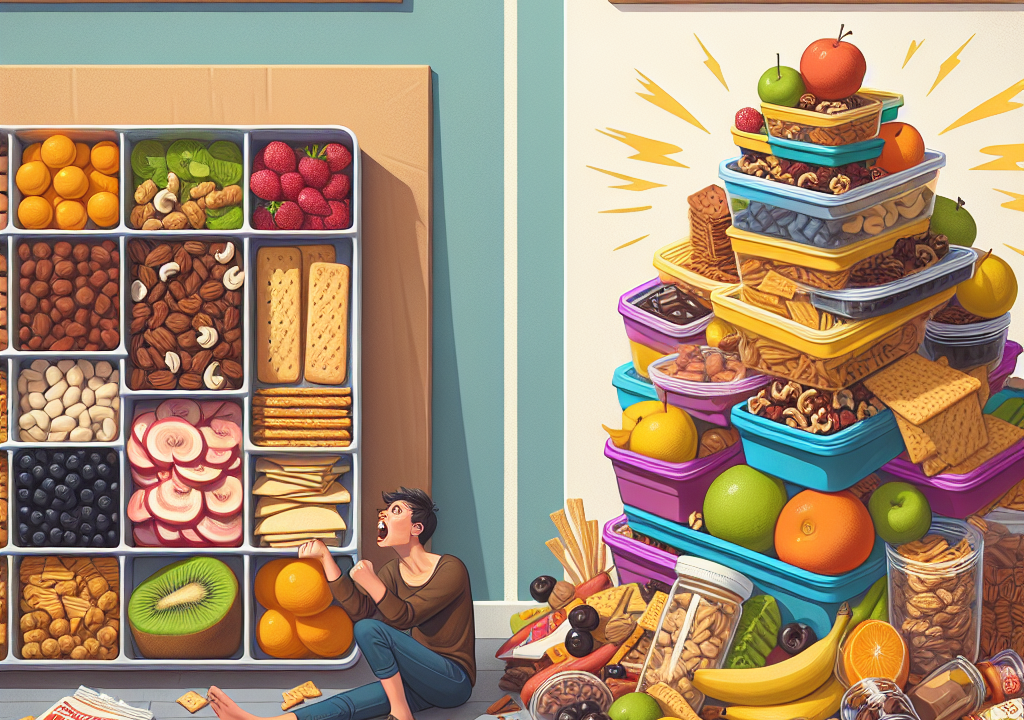
Why Pre-Portioned Snacks Work Better Than Willpower
Unlock the secret to effortless portion control with pre-portioned snacks! Ditch the struggle of relying solely on willpower. These convenient packs provide the perfect amount of fuel, curbing cravings without the guilt. Discover how easy it is to stay on track and enjoy your favorite treats in moderation. Start snacking smarter today!
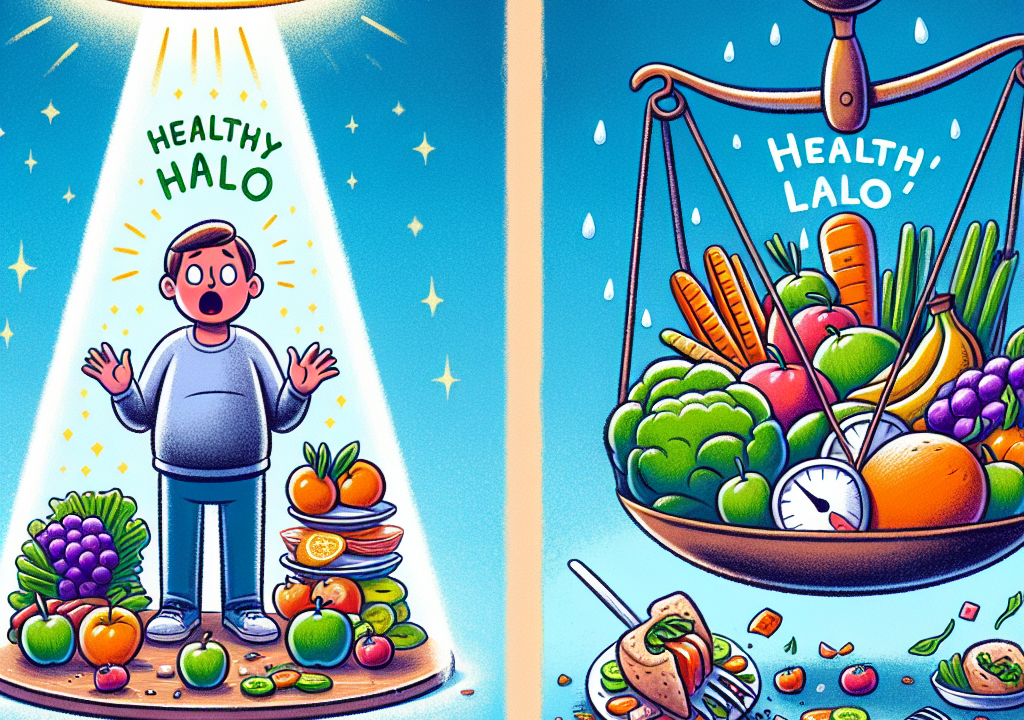
The “Healthy Halo” Effect: How Labels Trick You Into Overeating
Unlock the secret behind the “Healthy Halo” effect that’s making you overeat without realizing it! Discover how cleverly designed labels trick your mind into consuming more than you should. Dive into our blog to learn how to outsmart these marketing strategies and make healthier food choices effortlessly. Start eating smarter today!
