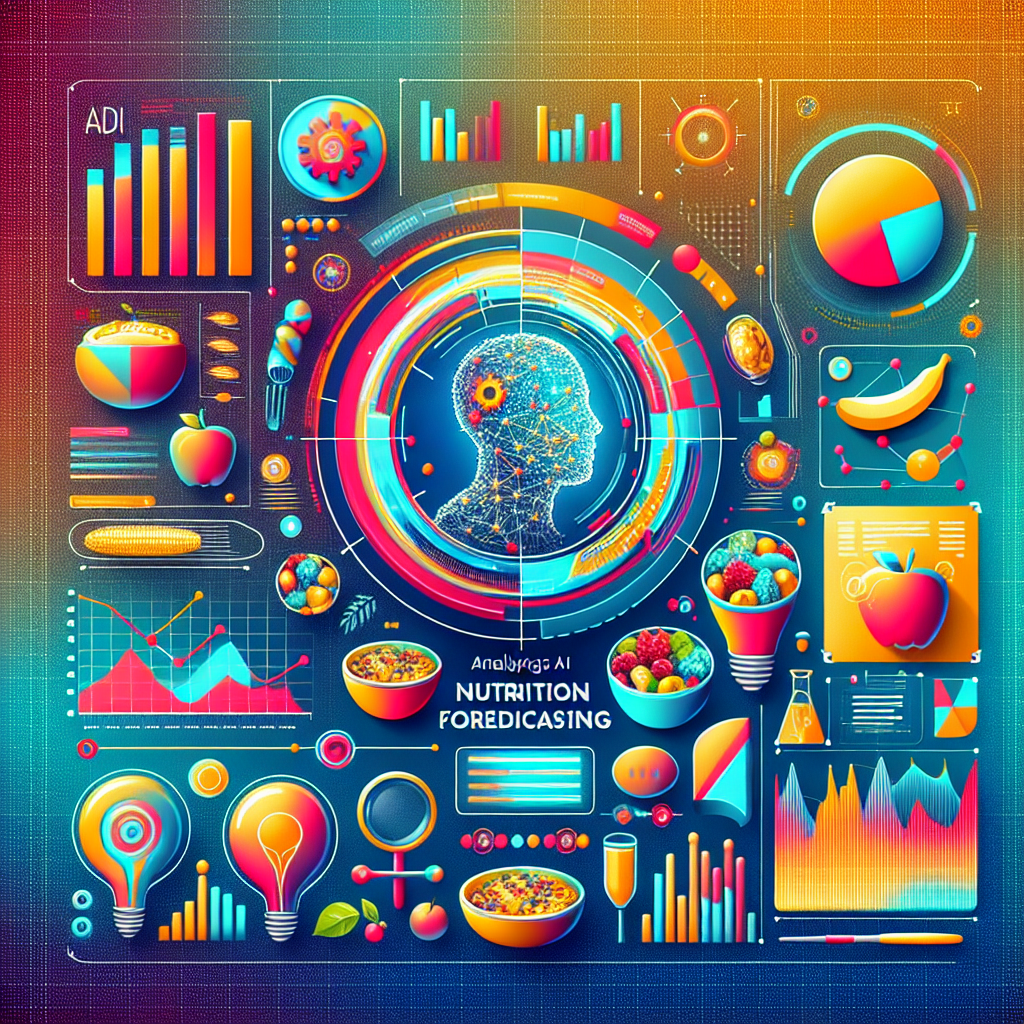
AI Nutrition Forecasting: Will Predictive Meal Planning Revolutionize How We Eat?
A New Era in Health and Wellness
We’re entering a pivotal moment in how technology influences our well-being. Driven by advancements in artificial intelligence (AI), machine learning, and wearable technology, the future of nutrition is evolving. The central question is shifting from treating conditions after they arise to preventing them before they begin.
Will we continue to eat reactively—using diets only after health problems surface—or will predictive artificial intelligence transform the way we plan our meals?
In this article, we explore how AI-powered nutrition forecasting is transitioning from reaction-based approaches to proactive, preventative health strategies—and what that could mean for your long-term health.
From Reactive Diets to Preventive Nutrition
Traditionally, personalized diet plans are created after health issues are already present, such as pre-diabetes, weight gain, or food sensitivities. A dietitian would then curate a plan based on your medical history, lab results, and lifestyle.
But this reactive model often intervenes too late. According to the CDC, 6 out of 10 Americans live with at least one chronic illness—many of which are linked to poor dietary habits. In these cases, the underlying issues have often been silently developing over time.
This is where predictive AI-based meal planning comes into play. By analyzing real-time personal data, these systems can identify potential nutrient deficiencies or health risks early and suggest dietary changes before symptoms develop. As Dr. Megan Rossi, a registered dietitian and author of Eat Yourself Healthy, explains, “We’re moving toward a model where prevention is not just possible but intelligently automated.”
How AI Forecasts Your Nutritional Needs
So, how does AI know what your body needs before you do?
It begins by collecting and analyzing large volumes of personal health data. These AI systems draw from various sources, including:
– Smartwatches that monitor sleep quality, activity, and heart rate variability
– Continuous glucose monitors that detect subtle blood sugar changes
– Gut microbiome tests that highlight digestive health trends
– Genetic data revealing predispositions to certain conditions
– Nutrition tracking apps documenting food intake
– Environmental data such as stress levels and air quality
By integrating this information, AI can uncover patterns that the human eye might miss. For example, a decline in sleep quality combined with low energy could suggest a micronutrient deficiency. Before noticeable symptoms appear, AI may recommend nutrient-dense foods like leafy greens or iron-rich meats to restore balance.
This goes far beyond simple tracking—it’s the foundation of predictive, proactive nutrition.
What Predictive Meal Planning Looks Like in Real Life
Cutting-edge AI platforms are already making predictive meal planning more accessible. Here’s how such a system could work in your everyday routine:
1. You wear a smartwatch equipped with health-monitoring sensors.
2. This device connects with your smart scale and diet-tracking app.
3. AI processes the incoming data and spots a rise in inflammation markers.
4. Your meal plan auto-updates to include ingredients like turmeric and salmon to fight inflammation.
5. If your glucose levels start trending toward pre-diabetic ranges, the AI suggests incorporating low-glycemic foods and adding walking to your daily routine—well before a doctor’s visit would flag the concern.
Imagine someone logging frequent late-night snacking and poor-quality sleep. The AI detects elevated cortisol and decreased heart rate variability, recommending magnesium-rich foods such as bananas or spinach to support better rest and mood regulation.
In essence, AI becomes a silent partner in your well-being, offering food-based solutions before health issues get a chance to grow.
Top Benefits of AI-Powered Meal Forecasting
Switching from reactive to predictive nutrition brings several impactful advantages:
– Disease Prevention: Identifying early signs of nutrient deficiencies or biomarkers linked to diseases like diabetes or heart disease allows for timely dietary interventions.
– Improved Performance: From athletes to office workers, optimized nutrition can enhance physical stamina and cognitive sharpness.
– Healthier Weight Management: AI adapts your meal plan in real time based on emotion-driven eating or hormonal changes, helping avoid overeating before it happens.
– Reduced Healthcare Expenses: A recent Deloitte study revealed that preventive health approaches—especially personalized nutrition—can save over $730 per person annually in medical costs.
Ultimately, AI could become a cornerstone not only in individual health strategies but also in national public health efforts.
Challenges in Bringing Predictive Nutrition to Life
Like any new health tech innovation, predictive nutrition comes with a few hurdles:
– Data Privacy: Managing sensitive health data requires strong encryption and compliance with regulations like HIPAA and GDPR.
– Accuracy Issues: Incomplete meal tracking or faulty device syncing could lead AI systems to make inaccurate predictions.
– Accessibility: High costs may limit availability for underserved or low-income communities.
– The Role of Human Experts: AI tools can enhance, but not replace, the judgment of trained health professionals.
As Dr. Mark Hyman, a pioneer in functional medicine, points out: “Technology shouldn’t replace human insight in healthcare—it should empower it.”
To ensure predictive nutrition is safe and effective, ongoing collaboration between healthcare providers, technologists, and policy makers is necessary.
Building a Future of AI-Enhanced Nutrition
The goal isn’t to replace experts—it’s to amplify their reach and effectiveness. Imagine an AI noticing your body’s need for more vitamin D based on daily exposure to sunlight and suggesting diet tweaks before lab results reveal a deficiency.
Or a child’s wearable detects markers for potential food sensitivities, influencing their diet during sensitive developmental stages.
What once seemed like science fiction is now becoming an integrated part of daily life.
Whether you’re managing a long-term health condition or simply aiming to feel more energized, AI-based meal plans offer a forward-thinking, personalized approach to nutrition.
Conclusion: Eat Today With Tomorrow in Mind
The days of guessing your nutritional needs may soon be behind us. Through AI-powered, predictive meal planning, what we eat can now reflect not only our current health status but also our emerging needs.
Though challenges around security, cost, and accessibility remain, the shift toward intelligent, preventive nutrition holds immense promise. This isn’t just the future of food—it’s the future of proactive living.
Are you ready to eat today with a clearer view of where your health is headed?
To explore more about how nutrition impacts overall health and chronic conditions, visit edrugstore.com.
References
1. Centers for Disease Control and Prevention (CDC). (2022). Chronic Diseases in America. https://www.cdc.gov/chronicdisease/resources/infographic/chronic-diseases.htm
2. Deloitte. (2020). The Future of Preventive Health. https://www2.deloitte.com/insights/us/en/focus/health-care/developing-preventive-healthcare-system.html
3. Hyman, M. (2021). The Future of Health Is Personalized. The Doctor’s Farmacy Podcast. https://drhyman.com/blog/2021/03/31/the-future-of-health-is-personalized/
Related posts

Why Pre-Portioned Snacks Work Better Than Willpower
Unlock the secret to effortless portion control with pre-portioned snacks! Ditch the struggle of relying solely on willpower. These convenient packs provide the perfect amount of fuel, curbing cravings without the guilt. Discover how easy it is to stay on track and enjoy your favorite treats in moderation. Start snacking smarter today!
The “Healthy Halo” Effect: How Labels Trick You Into Overeating
Unlock the secret behind the “Healthy Halo” effect that’s making you overeat without realizing it! Discover how cleverly designed labels trick your mind into consuming more than you should. Dive into our blog to learn how to outsmart these marketing strategies and make healthier food choices effortlessly. Start eating smarter today!
