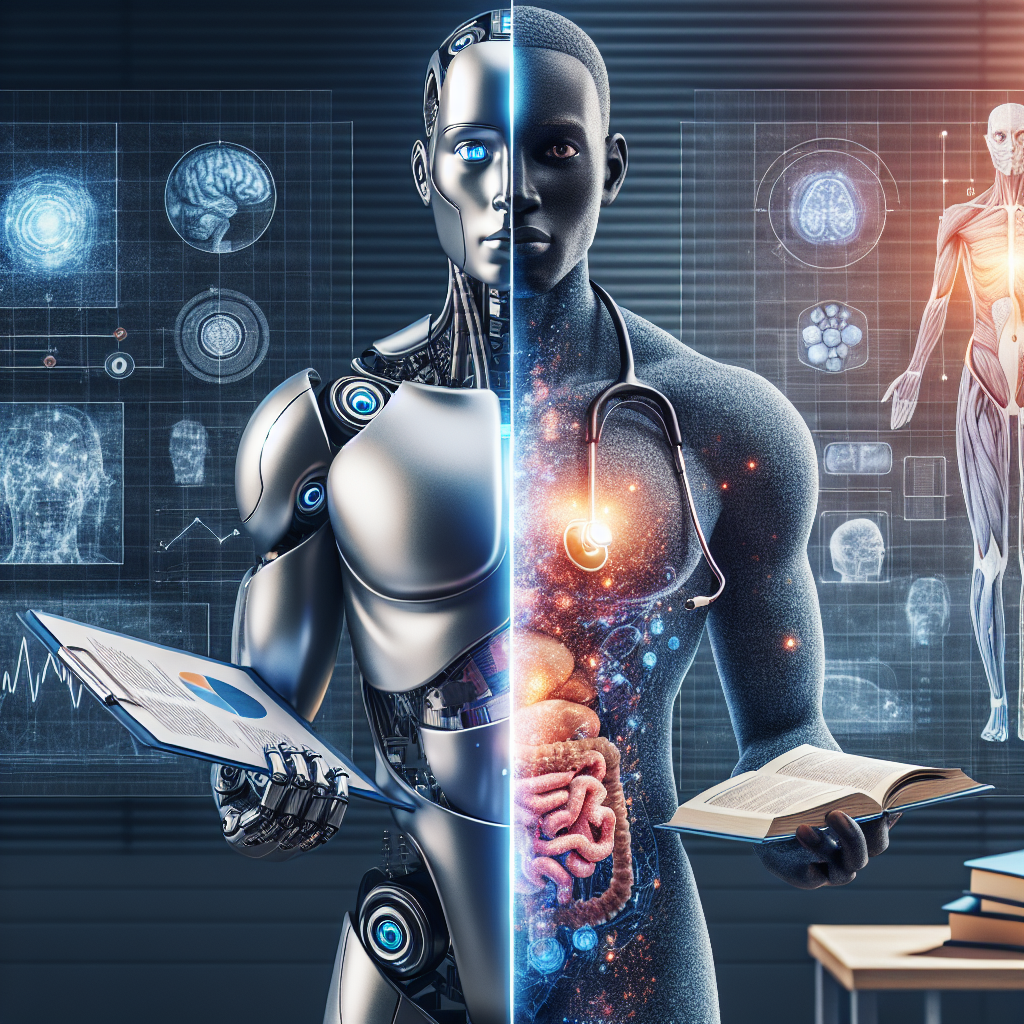
AI Coaches vs. Human Nutritionists: Who Drives Better Body Recomposition?
In today’s tech-savvy world, reaching fitness goals seems more achievable than ever. But with so much innovation comes confusion—especially when deciding who (or what) can better guide your transformation. Can artificial intelligence match or outperform a human nutritionist in helping achieve body recomposition?
More individuals are pursuing improved health through body recomposition—losing fat and gaining lean muscle—but aren’t sure which coaching option delivers sustainable results. In this article, we break down the benefits and limitations of both approaches to help you decide which works best for your goals.
What Is Body Recomposition and Why Does It Matter?
Before choosing a coaching method, it’s important to understand what body recomposition really means.
Unlike traditional weight loss, body recomposition focuses on losing fat while gaining lean muscle. The goal isn’t simply lowering the number on the scale—it’s about changing your overall physique and improving your health.
Achieving this requires more than cutting calories. Key elements include consistent strength training, balanced macronutrients (like protein, carbs, and fats), quality sleep, and stress management.
“You can’t focus on scale weight alone,” says Dr. Katie Wilson, a certified sports nutritionist. “True body recomposition happens when fat decreases while muscle tissue increases, and that depends on a consistent plan over time.”
For example, instead of eating 500 fewer calories daily, someone aiming for recomposition may consume enough protein (about 1 gram per pound of body weight) and do resistance training three to five times a week.
As technology evolves, many are turning to apps and AI to support these goals. But how do AI and human nutrition experts compare?
How AI-Powered Nutrition and Fitness Coaching Is Changing the Game
With digital health tools surging in popularity, AI-powered fitness and nutrition platforms are offering personalized guidance anytime, anywhere.
Apps like Carbon Diet Coach, MyFitnessPal, and Fitbod use artificial intelligence to optimize your nutrition and workouts in real time. Here’s how they’re influencing modern health coaching:
– Personalized Adjustments: AI uses your data—like calorie intake, workout logs, and even sleep—to deliver customized advice instantly.
– Around-the-Clock Availability: Unlike human coaches, AI bots don’t clock out. You can adjust macros or check your progress early in the morning or late at night.
– Budget-Friendly: Many AI apps offer subscriptions between $10 and $20 a month, while personalized coaching can cost over $100 per session.
– Habit Formation Support: Regular alerts for hydration, meals, and workouts help users develop long-term habits.
However, AI tools aren’t flawless.
– Limited Emotional Awareness: AI lacks empathy. It can’t sense your emotional struggles or boost your motivation during tough periods.
– Generic During Complex Situations: People dealing with medical conditions or special dietary needs may require more nuanced advice than the app can provide.
– Dependent on Accurate Data: If you forget to track meals or input incorrect weight, your progress reports and recommendations may be off.
According to Statista (2022), more than 62 million Americans use fitness apps—yet many still seek help from human professionals for next-level guidance.
The Power of Human Nutritionists in Personal Transformation
For more detailed insights, personal support, and emotional encouragement, human nutritionists remain essential—especially for those navigating complex challenges.
Here’s how certified nutrition experts provide a different level of support:
– Deep Personalization: They take into account everything from your schedule and cultural backgrounds to emotional eating habits and food intolerances.
– Emotional Support and Behavioral Coaching: “Change doesn’t happen in a vacuum—it’s often tied to emotional patterns,” says registered dietitian Alex Romero, M.S., R.D. “A human coach listens, questions, and adjusts guidance accordingly.”
– Safety for Special Health Needs: Whether someone has celiac disease, hypothyroidism, or a past eating disorder, licensed professionals can create safe, reliable plans.
– Accountability and Encouragement: Regular check-ins, whether in person or virtual, often inspire greater commitment than digital reminders alone.
That said, there are some drawbacks to working with a human nutritionist:
– Higher Costs: Prices typically range from $70 to $300 per session depending on expertise and location.
– Time Constraints: You’ll need to schedule sessions and may wait days or weeks for professional input.
– Possible Outdated Practices: Some coaches may rely on outdated methodologies or personal philosophies that may not be evidence-based.
Despite these limitations, for people with deeper physical or emotional challenges, certified nutritionists often make a meaningful and lasting impact.
Which Coaching Method Provides Superior Recomposition Results?
If you’re wondering which option delivers the most reliable body recomposition results—AI or humans—the answer depends on your needs and goals.
Here’s a side-by-side comparison:
| Feature | AI Coaches | Human Nutritionists |
|———————————–|———————————–|———————————-|
| Personalization | High (based on tracked data) | Very High (based on full lifestyle) |
| Accountability | Moderate (reminders and reports) | High (emotional support included) |
| Planning Flexibility | Moderate | High |
| Emotional and Habit Support | Low | Very High |
| Affordability | High (low monthly fees) | Low (per-session rates) |
| Accessibility | 24/7 | Limited to appointment times |
| Adaptability to Special Conditions| Low | Very High |
According to Healthline (2023), successful long-term transformations often hinge more on emotional readiness and lifestyle compatibility than data accuracy alone. In this area, human coaches tend to be more effective.
Why a Hybrid Approach Might Be the Best Strategy
There’s no rule saying you have to pick just one. In fact, many individuals have found greater success by combining AI efficiency with the emotional and strategic support of a real coach.
Here’s how a hybrid plan could work:
– Let apps like Carbon Diet Coach adjust your calorie needs automatically based on weekly progress.
– Schedule monthly sessions with a registered dietitian to talk through mental blocks, lifestyle factors, or medical concerns.
– Use workout tracking tools such as Fitbod for strength training, while consulting a personal trainer for form checks and injury prevention.
This strategy offers the best of both worlds—cutting-edge adjustments and personalized insights that adapt to your unique journey.
“As a coach, I love when clients come in with app data,” adds Romero. “It shows initiative and makes our sessions more productive.”
To support this blended approach, you’ll find useful supplements and wellness tools through trusted resources like eDrugstore.com, helping you cover all angles of your health plan.
Final Takeaways: Choosing Support that Works for You
Body recomposition takes time, consistency, and a well-rounded plan. Whether you rely on a human expert, an AI app, or both, what matters most is aligning your tools with your lifestyle and personality.
AI apps bring clear structure, instant feedback, and user-friendly insights. Human nutritionists offer emotional support, a personal touch, and expertise with special populations.
Rather than choosing between them, many people benefit from using both—a practical and powerful way to maximize results.
Ready to Begin Your Body Recomposition Journey?
– Discover top-rated AI apps for personalized macro tracking.
– Book a session with a licensed nutritionist to craft your transformation strategy.
– For added wellness tools and supplements, visit eDrugstore.com.
In the end, true transformation comes from committing to your health—one smart choice at a time.
Sources
– Healthline. (2023). “Body Recomposition: What It Is and How to Do It.” https://www.healthline.com/health/body-recomposition
– Statista. (2022). “Number of Health & Fitness App Users in the U.S.” https://www.statista.com/statistics/1104275/health-fitness-app-usage-us/
– American Council on Exercise. (2021). “The Science of Body Recomposition.” https://www.acefitness.org/
– Romero, A., MS, RD. Expert interview (2023).
– Wilson, K., PhD, CSCS. Personal communication (2023).
Related posts

Why Pre-Portioned Snacks Work Better Than Willpower
Unlock the secret to effortless portion control with pre-portioned snacks! Ditch the struggle of relying solely on willpower. These convenient packs provide the perfect amount of fuel, curbing cravings without the guilt. Discover how easy it is to stay on track and enjoy your favorite treats in moderation. Start snacking smarter today!
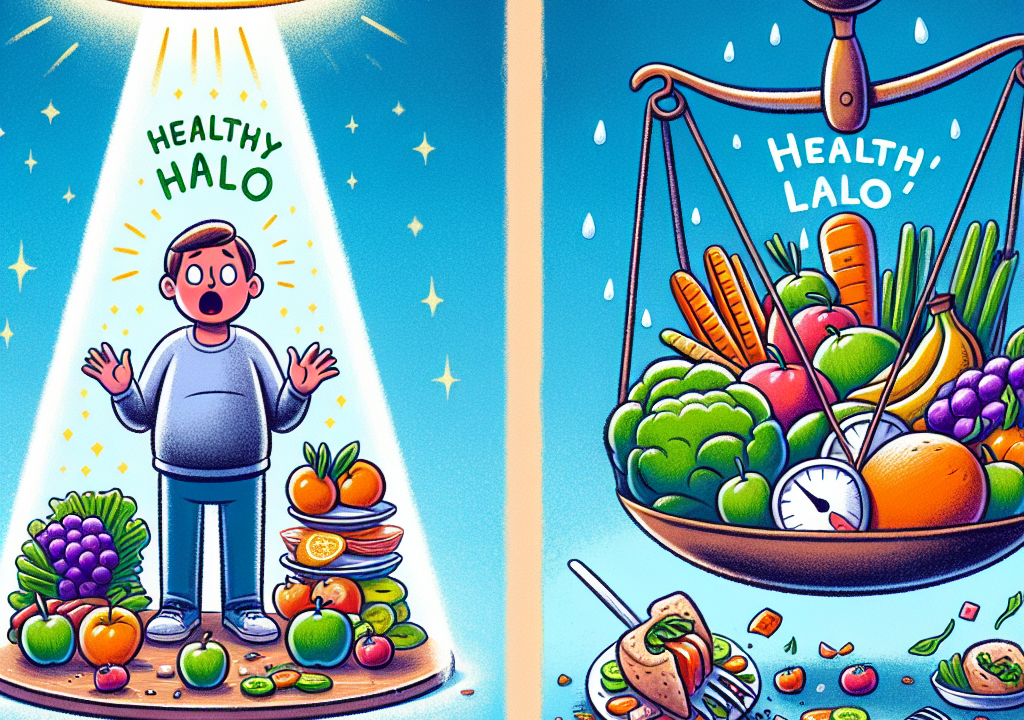
The “Healthy Halo” Effect: How Labels Trick You Into Overeating
Unlock the secret behind the “Healthy Halo” effect that’s making you overeat without realizing it! Discover how cleverly designed labels trick your mind into consuming more than you should. Dive into our blog to learn how to outsmart these marketing strategies and make healthier food choices effortlessly. Start eating smarter today!
