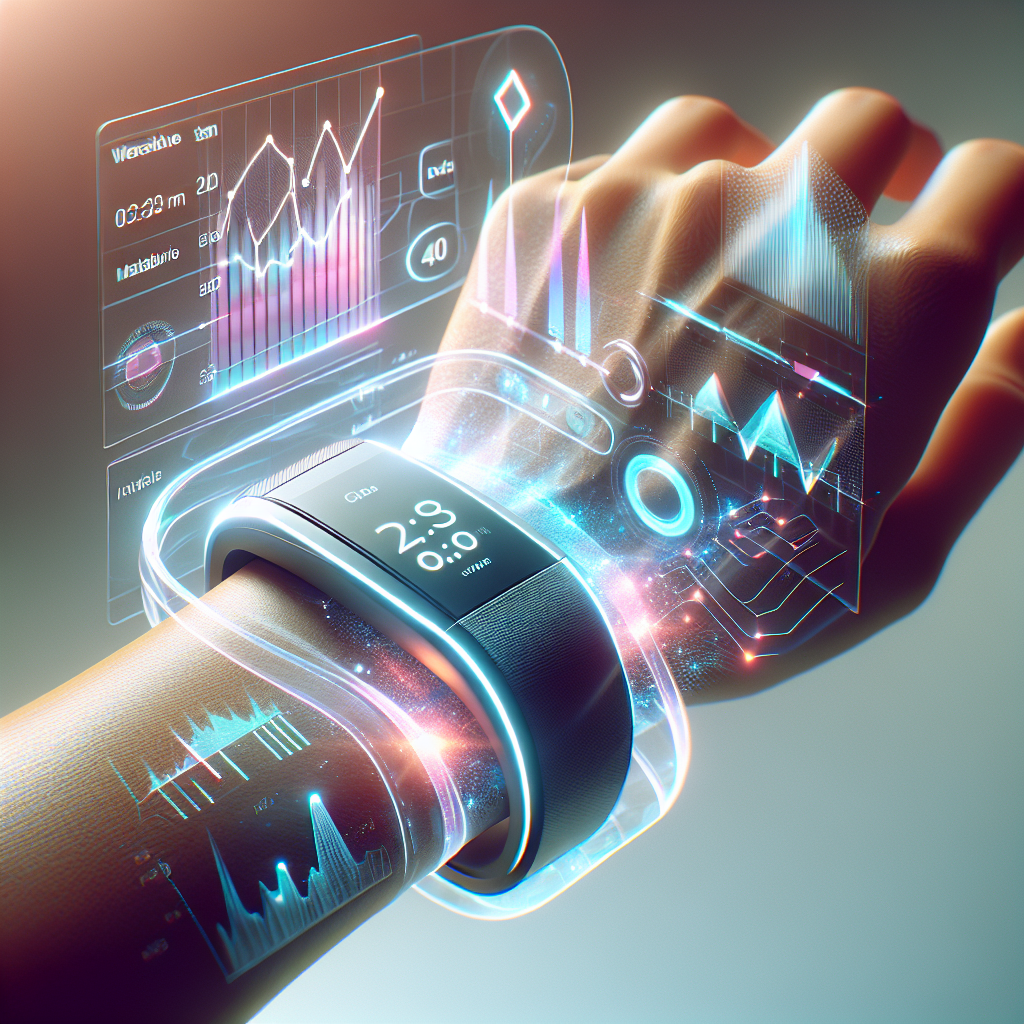
Wearable Metabolism Trackers: The Evolution Beyond Glucose Monitoring
Over recent years, continuous glucose monitors (CGMs) have revolutionized how individuals—especially those managing diabetes—understand real-time changes in their blood sugar levels. These compact, wearable devices offer constant feedback, empowering users to make informed choices around diet, exercise, and stress. But while CGMs opened the door to greater health awareness, wearable metabolism trackers are poised to take personal health insights to the next level.
Unlike CGMs, metabolism trackers go far beyond glucose. These advanced devices measure multiple physiological signals, offering a more complete picture of your metabolic function. Dr. Casey Means, Chief Medical Officer at Levels Health, aptly describes it: “Understanding metabolism is like getting an owner’s manual for your body. The ability to see how your system responds to food, stress, and sleep in real time opens up the potential for long-term vitality.” These wearables aim to give total metabolic insight—all from a device you can wear daily.
The Growing Focus on Metabolic Health
Over the past decade, public interest in metabolic health has surged. Once a niche scientific topic, it has now become a widespread concern—recognized as a vital factor in long-term wellness. According to the National Health and Nutrition Examination Survey (NHANES), over 88% of Americans exhibit at least one indicator of poor metabolic health, such as elevated blood sugar, high blood pressure, visceral fat, or unbalanced cholesterol.
Metabolic health governs how we generate energy, regulate hormones, store fat, and more. When functioning optimally, it helps sustain energy, concentration, and weight management. On the other hand, disruptions in metabolic processes can cause fatigue, weight gain, insulin resistance, and chronic illnesses including type 2 diabetes, cardiovascular disease, and obesity.
CGMs helped kick-start widespread awareness by showing the impact of food, activity, and stress on glucose levels in real time. What began as a tool for diabetics has become popular among athletes, wellness enthusiasts, and everyday health seekers. Now, a more sophisticated wave of health-conscious users is eager for deeper insights—touching on fat metabolism, recovery, and whole-body performance.
Beyond Glucose: What Metabolism Trackers Really Measure
So, what can metabolism trackers actually detect? Unlike CGMs that center only on glucose, today’s wearable metabolism monitors measure a suite of key health biomarkers, giving users a multidimensional look at how their body operates. Some of the most valuable metrics include:
– Respiratory Exchange Ratio (RER): This indicator reflects the ratio of carbon dioxide exhaled to oxygen inhaled, allowing users to determine whether their body is primarily burning fat or carbohydrates for energy. For instance, a spike in CO2 after a high-carb dinner may reveal your body is in carbohydrate-burning mode.
– Heart Rate Variability (HRV): HRV is a recognized marker of nervous system activity and stress resilience. Higher HRV signals better recovery and overall well-being, while lower HRV may indicate overtraining or insufficient rest.
– Body Temperature Changes: Subtle fluctuations in core and peripheral temperature can offer insights into hormonal shifts, menstrual cycles, sleep quality, and signs of illness or fatigue.
– Oxygen Saturation (SpO2): SpO2 tracks how efficiently the body delivers oxygen to cells. It’s an essential metric for monitoring endurance, energy output, and metabolic efficiency.
When analyzed together, these biomarkers deliver a unique, personalized window into how lifestyle factors—like diet, stress, and sleep—affect the body on a metabolic level. For example, if overnight data shows ongoing carbohydrate usage, it may suggest late eating or poor sleep quality.
Tailored Wellness: The Power of Personalization
Perhaps the most exciting promise of metabolic wearables is their ability to customize health recommendations. Each individual has a unique metabolic signature. Some people naturally use fat as a primary energy source, while others depend on carbohydrates—even at rest.
Imagine starting your day with insights that show you spent the night primarily in a fat-burning mode. Based on this data, your wearable may suggest delaying your first meal or choosing a breakfast richer in healthy fats and lower in carbohydrates. If your HRV dipped overnight, signaling stress or incomplete recovery, the device might recommend a day of active recovery rather than high-intensity training.
This kind of customization is particularly impactful for athletes and anyone working toward weight loss. A 2022 study in the journal Nutrients revealed that participants using real-time metabolic feedback lost 33% more weight in 12 weeks compared to those relying solely on standard nutrition advice. Personalized, adaptive changes based on actual data deliver faster and more sustainable results.
Who’s Leading the Charge? Current Devices and Innovators
Several forward-thinking companies are bringing wearable metabolic sensors to market, each offering its own unique take on real-time health tracking:
– Lumen: A handheld breath analysis device that determines whether your body is burning fats or carbohydrates. Lumen also delivers personalized food and workout recommendations, along with insights into metabolic flexibility.
– AIO Health and Biosense: These companies provide tools that measure fat oxidation and ketone readings via breath, offering feedback for those engaging in fasting or low-carb diets.
– Whoop and Oura Ring: These popular wearables track HRV, temperature, and blood oxygen levels to monitor recovery, stress resilience, and early signs of illness.
– Nix Biosensors: An up-and-coming player in the space, Nix offers hydration and electrolyte analysis through sweat data—especially useful for athletes focused on optimizing performance and heat regulation.
Major technology brands such as Apple, Samsung, and Garmin are also expected to roll out devices with expanded metabolic health features. With fitness tracking now mainstream, metabolism tracking could be the next major evolution in personal health tech.
For those seeking to align wearable insights with holistic care, digital health platforms like eDrugstore.com may soon provide integrated options for medically guided interventions, including lifestyle coaching, nutrition planning, and prescription optimization.
Potential Drawbacks and Key Considerations
Despite the impressive potential of metabolic trackers, there are still challenges to overcome before reaching full adoption:
– Accuracy Limitations: Breath and biometric sensors can be influenced by environmental factors such as hydration, room temperature, and user behavior. Consistent use and proper calibration are essential to maintain reliable readings.
– Data Privacy Concerns: These devices often track sensitive information, including hormonal signals and reproductive health data. Users should prioritize brands with transparent privacy policies and strong encryption to safeguard personal health information.
– High Initial Costs: Devices such as Lumen or Biosense can cost between $300 and $500, which may limit accessibility to early adopters. However, as technology matures, we can expect innovation and competition to drive prices down.
To thrive in the broader consumer market, wearable metabolism trackers will need to offer science-backed insights while still prioritizing affordability, accuracy, and user privacy.
What Lies Ahead: A Metabolically Aware Future
Wearable metabolism tracking is on the brink of becoming just as ubiquitous as step counting or nightly sleep monitoring. By combining decades of scientific research with modern wearable design, these tools offer a future where fine-tuning your metabolism is as simple as checking your watch.
In the near future, instead of only measuring time or heart rate, your wearable may tell you if you’re burning fat or glucose, whether you’re fully recovered, or if today’s stress is taking a toll on your performance. It represents one of the most personalized, effective ways to take control of your health, day by day.
As Dr. Peter Attia, author of Outlive, emphasizes, “Metabolic health drives almost everything—from your risk of disease to your day-to-day performance. Being metabolically aware gives you back control.”
The future of wellness is deeply personal, measurable, and optimized—powered by data you carry with you, every step of the way.
References
– Centers for Disease Control and Prevention (2022). National Health and Nutrition Examination Survey.
– Nutrients Journal (2022). “Real-Time Feedback and Weight Loss Outcomes.”
– Attia, P. MD. “The Drive” podcast episodes on Metabolic Health.
– Levels Health, Dr. Casey Means. (2023). Official Blog.
– eDrugstore.com: Explore prescription-based metabolism support tools.
Related posts

Cheat Meal Choices: Understanding the Long-Term Metabolic Impact and Caloric Compensation Strategies
Indulging in cheat meals doesn’t have to sabotage your fitness goals. In “Cheat Meal Choices: Understanding the Long-Term Metabolic Impact and Caloric Compensation Strategies,” we explore how smart cheat meal planning can fuel your metabolism and satisfy cravings without derailing progress. Discover how to indulge wisely and harness your body’s natural compensatory mechanisms!

Navigating the Metabolic Balancing Act: How Strategic Cheat Meals Can Break Weight Loss Plateaus Without Derailing Progress
Unlock the secret to sustainable weight loss! “Navigating the Metabolic Balancing Act” reveals how strategic cheat meals can triumph over stubborn plateaus. Discover the art of indulging without guilt, rejuvenate your metabolism, and transform your fitness journey. Don’t let progress stall—embrace smart indulgence and keep your goals on track!
