The Social Anxiety–Sugar Connection: How Dopamine Reward Drives Overeating
Understanding the Rise of Social Anxiety
In today’s fast-paced, hyper-connected world, social anxiety has become increasingly common. According to the National Institute of Mental Health, around 15 million American adults—about 7.1% of the population—live with Social Anxiety Disorder (SAD). These individuals often experience overwhelming fears of judgment, rejection, or embarrassment during everyday interactions and social situations.
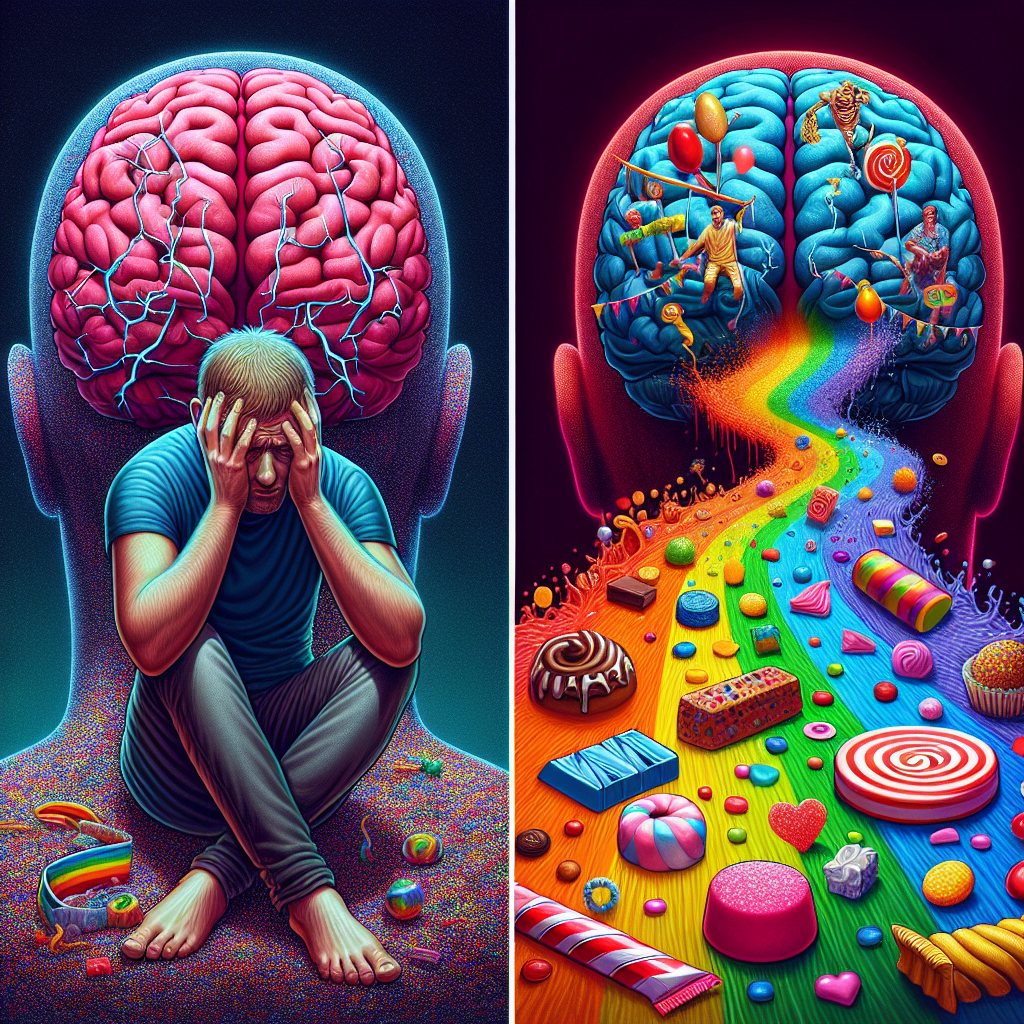
While we commonly associate anxiety with emotional distress, its impact on eating habits, especially sugar cravings, is often underestimated. Recent research highlights a compelling connection between social anxiety and the overconsumption of sugar. This link largely stems from the way dopamine—the brain’s reward chemical—regulates emotional responses.
“As the brain searches for fast relief from emotional discomfort, sugary foods can become self-soothing tools,” explains Dr. Kelly McGonigal, health psychologist and author of The Willpower Instinct.
This article delves into how social anxiety influences cravings, how dopamine contributes to emotional eating, and what steps can help break the cycle.
Dopamine: The Brain’s Reward Currency
Dopamine is a neurotransmitter that plays a crucial role in motivation, pleasure, and reinforcement of behavior. Commonly known as the “feel-good” chemical, dopamine is released during enjoyable activities such as laughing, receiving praise, or eating something delicious.
Highly processed sugary foods like soda and pastries cause a rapid spike in dopamine levels, particularly in areas of the brain responsible for processing rewards. This temporary surge creates a feeling of euphoria, which can become addictive over time.
Under normal circumstances, dopamine encourages healthy, life-supporting behaviors. However, in people dealing with chronic psychological distress—especially those with social anxiety—dopamine pathways can become disrupted. As a result, sugar transforms from an occasional indulgence into an emotional escape.
Real-life example: A college student managing social anxiety might binge on sweets before attending a party. The goal isn’t nourishment, but rather, emotional relief from anticipated social discomfort.
According to Harvard Health Publishing, this phenomenon, often referred to as the “dopamine trap,” reinforces emotional eating patterns associated with mental health conditions like anxiety and depression.
The Emotional Relief Sugar Provides
For individuals coping with social anxiety, daily life can feel like a constant emotional sprint. Fearing social rejection or embarrassment, they often remain in a state of mental hyper-alertness and emotional exhaustion. This chronic internal stress elevates cortisol levels and increases emotional vulnerability.
In these moments of vulnerability, sugary foods offer short-term relief. Why is sugar so comforting? Because it activates the very dopamine pathways that are often underactive in individuals experiencing anxiety. This brief spike in dopamine creates a sense of calm the brain craves.
“In many ways, sugar functions like a socially acceptable anti-anxiety drug,” says Dr. Susan Albers, a psychologist at the Cleveland Clinic. “It bridges the gap between inner tension and outer composure—even if only temporarily.”
Turning to sugary foods for comfort becomes a behavioral loop—not driven by physical hunger but by emotional need. The end result is a cycle fueled by distress and reinforced by temporary relief.
The Dopamine Rollercoaster and Sugar Tolerance
Over time, consistent sugar intake leads to changes in brain chemistry. The dopamine system adapts by reducing sensitivity, which means that more sugar is needed to achieve the same pleasurable effect. This pattern reflects tolerance—a key characteristic of addiction-like behavior.
Here’s how this cycle often unfolds:
– Feelings of anxiety rise before or after social interactions.
– Sugary food offers quick emotional relief.
– The “sugar high” reinforces the behavior.
– Tolerance develops, requiring greater sugar intake for the same effect.
– Feelings of guilt or self-blame follow, especially in individuals already worried about health or appearance.
This destructive cycle doesn’t just affect physical health—it compounds emotional distress. The guilt and shame that follow sugar binges can elevate anxiety, perpetuating the loop.
For additional guidance on how anxiety influences physical habits, you can explore this article on managing mood disorders naturally at edrugstore.com.
Breaking the Sugar-Anxiety Cycle: Practical Strategies
The good news is that this cycle can be broken. Healing requires attention to both the emotional and biological factors that fuel sugar dependence. Here are some evidence-based steps to reduce emotional eating and restore balance:
1. Mindful Eating Paired with Emotional Awareness
Before reaching for a snack, pause to ask: “Am I truly hungry, or am I feeling anxious, bored, or lonely?” Mindful eating has been shown to reduce uncontrolled eating behaviors and help individuals increase emotional regulation during food cravings (Kristeller & Wolever, 2011).
2. Dopamine-Boosting Activities Without Sugar
Engage in natural activities that stimulate dopamine release without harming your health. These include dancing, spending time in sunlight, writing in a journal, exercising, listening to music, or bonding with pets. These natural dopamine sources offer emotional uplift with no crash.
3. Cognitive Behavioral Therapy (CBT)
Cognitive Behavioral Therapy is a well-supported approach that helps individuals identify and reframe negative thought patterns. According to the American Psychological Association, CBT is effective for treating anxiety in 60-80% of cases and has proven benefits in addressing emotional eating.
4. Balanced Meals to Keep Cravings in Check
Eating protein-rich, fiber-filled meals stabilizes blood sugar levels and supports neurotransmitter function. Foods like eggs, Greek yogurt, fish, beans, and whole grains can enhance mood and reduce reliance on sugary comfort foods.
5. Gradually Reducing Sugar Intake
Sudden deprivation rarely works long-term. Instead, opt for small changes that build sustainable habits. Replace soda with flavored sparkling water. Swap candy for naturally sweet fruits. The goal is consistent progress—not perfection.
A New Perspective on Social Anxiety and Sugar Addiction
Recognizing the connection between social anxiety and sugar cravings—mediated by dopamine imbalances—can be empowering. It offers a framework for understanding why these eating patterns develop and how they can be changed with knowledge and compassion.
This cycle is not a reflection of weak willpower. Rather, it’s an emotional and biochemical response to chronic stress and discomfort. By cultivating emotional awareness and choosing supportive habits, individuals can start to rewire their brains for healthier responses.
The brain can adapt both ways. Just as it once built a pattern around sugar-seeking for relief, it can also learn to pursue more nourishing and emotionally fulfilling rewards.
Final Thoughts on Recovery and Self-Compassion
Reaching for sugar as a way to soothe social anxiety might feel comforting in the moment, but it comes at the cost of long-term emotional and physical health. Fortunately, research shows that by increasing awareness, shifting habits, and accessing therapeutic tools, we can change not only behavior but our emotional resilience.
Recovery isn’t about restriction or shame. It’s about daily, mindful choices that strengthen self-connection, emotional regulation, and physical health.
As Dr. Albers wisely notes, “The most satisfying form of comfort often comes not from food, but from connection—to yourself, to others, and to your purpose.”
You Are Not Alone
If you or someone you know is dealing with social anxiety and a sugar dependency, know that lasting change is possible. Healing begins with small steps, honest self-reflection, and compassionate support.
For more tools and expert insights, consider subscribing to our blog or exploring mental health and nutrition resources at edrugstore.com.
References
– National Institute of Mental Health. (2023). Social Anxiety Disorder: More Than Just Shyness. https://www.nimh.nih.gov
– Harvard Health Publishing. (2022). Dopamine’s Role in Pleasure, Motivation—and Addiction. https://www.health.harvard.edu
– Kristeller, J. & Wolever, R. Q. (2011). Mindfulness-Based Eating Awareness Training for Treating Binge Eating Disorder. Eating Disorders, 19(1), 49–61.
– McGonigal, K. (2013). The Willpower Instinct. Penguin Books.
– Albers, S. (2022). Cleveland Clinic Mindful Eating Series. https://my.clevelandclinic.org
Parting Tip
Focus on progress, not perfection. Each time you choose awareness over impulse, you’re reshaping your brain and moving closer to lasting emotional balance.
For more resources about dopamine, emotional eating, and mental wellness, visit our partner at edrugstore.com.
Related posts
Cheat Meal Choices: Understanding the Long-Term Metabolic Impact and Caloric Compensation Strategies
Indulging in cheat meals doesn’t have to sabotage your fitness goals. In “Cheat Meal Choices: Understanding the Long-Term Metabolic Impact and Caloric Compensation Strategies,” we explore how smart cheat meal planning can fuel your metabolism and satisfy cravings without derailing progress. Discover how to indulge wisely and harness your body’s natural compensatory mechanisms!
Navigating the Metabolic Balancing Act: How Strategic Cheat Meals Can Break Weight Loss Plateaus Without Derailing Progress
Unlock the secret to sustainable weight loss! “Navigating the Metabolic Balancing Act” reveals how strategic cheat meals can triumph over stubborn plateaus. Discover the art of indulging without guilt, rejuvenate your metabolism, and transform your fitness journey. Don’t let progress stall—embrace smart indulgence and keep your goals on track!
