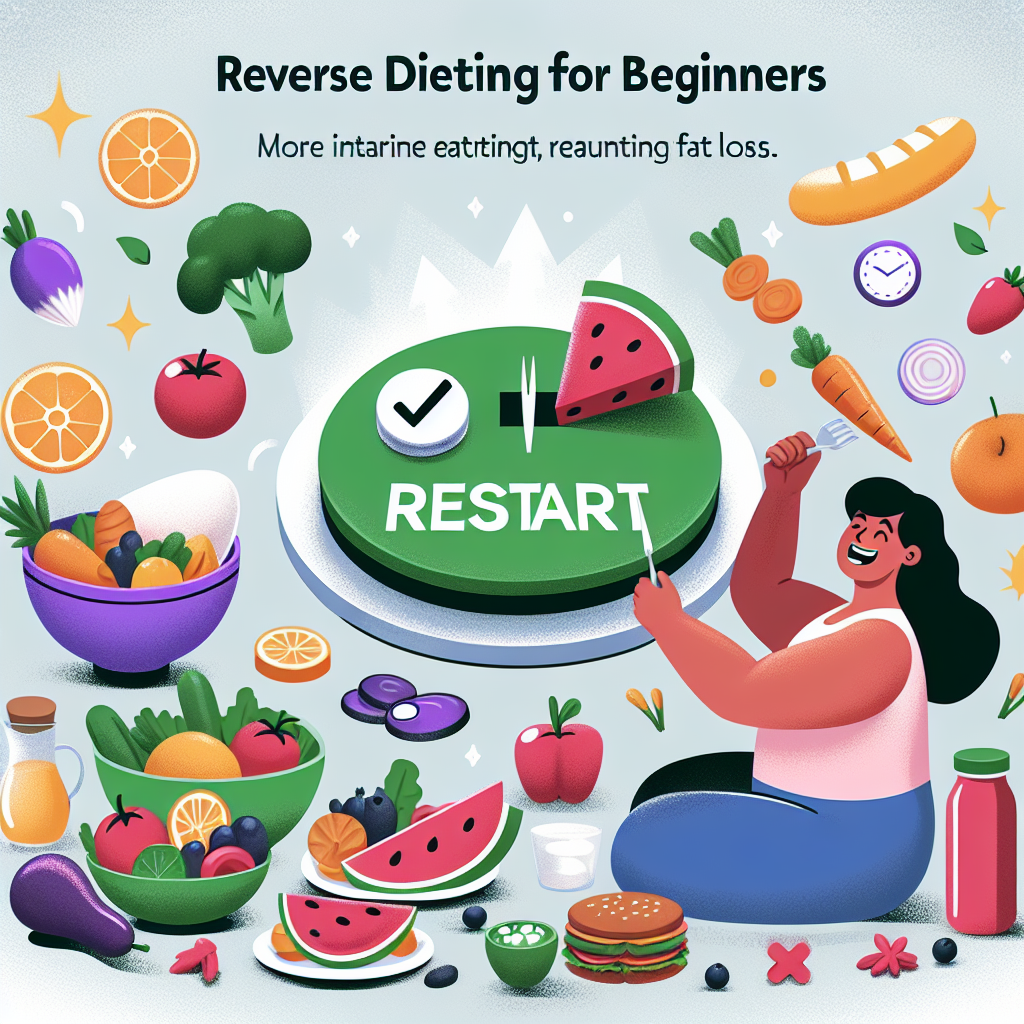
Reverse Dieting for Beginners: How Eating More Can Jumpstart Sustainable Fat Loss
If you’ve found yourself stuck in a frustrating cycle of strict dieting and intense cardio — only to see the scale refuse to change — you’re not alone. Research from the International Journal of Obesity (2020) reveals that over 80% of individuals who lose weight through conventional methods regain it within five years. The culprit? Chronic under-eating.
When you consistently eat too little, your metabolism slows, hormone levels shift unfavorably (like lower leptin and higher ghrelin), and your energy dips. All of this works against your fat loss goals.
But here’s the surprising fix: Eat more — strategically. This is where reverse dieting comes in. This science-backed nutritional strategy involves carefully increasing your calorie intake to stimulate metabolism, balance hormones, and rekindle stalled fat loss.
According to Dr. Eric Trexler, fitness coach and researcher, “Reverse dieting helps the body gradually adapt to more calories without sudden fat gain. In many cases, it improves body composition over time.”
In this guide, you’ll discover how reverse dieting works, why extreme dieting fails, and how to start reversing your diet effectively — all in a sustainable, beginner-friendly way.
What Is Reverse Dieting?
Reverse dieting is a phased approach to increasing your daily calorie intake after a period of caloric restriction or dieting. Rather than going back to your previous eating habits all at once, this method involves slowly boosting your calories — usually by 50 to 100 per week — primarily through carbohydrates and fats.
The goal is to help your body and metabolism adjust to the higher intake without storing unwanted fat. This process can help pull your system out of “survival mode,” where it holds on to calories and slows fat burning.
For instance, someone who has been eating 1,300 calories per day might gradually increase their intake over 10 to 12 weeks until they reach a sustainable maintenance level of around 2,000 calories — without gaining excess weight.
Reverse dieting isn’t only for physique athletes or bodybuilders. It’s recommended by sports nutritionists to restore performance, metabolic health, and energy levels after periods of restrictive eating.
The National Academy of Sports Medicine advocates for reverse dieting as a tool for metabolic rehabilitation after extended calorie deficits.
Why Extreme Dieting Isn’t a Long-Term Fat Loss Solution
Before diving into how to reverse diet, it’s important to understand why traditional or prolonged dieting often fails.
Severe calorie restriction can lead to a lower basal metabolic rate (BMR), which is the number of calories your body burns at rest. Your system won’t just burn fat — it begins conserving energy, slowing functions, and altering hormone levels to keep you alive.
This state is called metabolic adaptation or adaptive thermogenesis. It reduces fat-burning hormones like thyroid hormone (T3), raises hunger hormones like ghrelin, and decreases leptin, the hormone responsible for feeling full.
Research from The Journal of Clinical Endocrinology & Metabolism highlights that metabolic adaptation can decrease metabolism by 15% to 20% more than weight loss alone would suggest.
These shifts explain why many people eventually hit a plateau or even gain weight after dieting hard. It’s not due to lack of willpower; it’s the body resisting further fat loss. Reverse dieting offers a healthier, metabolism-friendly path forward.
Top 4 Benefits of Reverse Dieting
Reverse dieting does more than just allow you to eat more food — it helps reset your body’s internal systems, paving the way for long-term fat management.
1. Boosts Your Metabolism Naturally
By slowly increasing calories, your Total Daily Energy Expenditure (TDEE) rises, enhancing your body’s capacity to burn more calories even at rest.
2. Regulates Key Hormones
Higher calorie intake supports hormonal balance, especially leptin (satiety hormone) and ghrelin (hunger hormone). This can make it easier to control cravings and maintain consistent eating habits.
3. Restores Energy and Performance
Increased fuel leads to more strength, better athletic performance, and improved recovery — whether you’re hitting the gym or managing day-to-day tasks.
4. Prevents Yo-Yo Dieting and Fat Rebound
Unlike sudden overeating after a restrictive diet, reverse dieting reintroduces food gradually, helping reduce the chance of regaining weight quickly.
Fitness competitors use reverse dieting after competitions to hold onto muscle, avoid rapid fat gain, and maintain a lean physique.
You can explore more about restoring metabolic flexibility and related strategies through reliable resources like edrugstore.com.
How to Reverse Diet Step by Step (Beginner Friendly)
Getting started with reverse dieting doesn’t need to be complicated. Follow this beginner-friendly five-step plan:
Step 1: Track Your Current Calorie Intake
Spend one week logging your meals using a free app like MyFitnessPal or Cronometer. This establishes your baseline intake and helps chart your progress.
Step 2: Add Calories Slowly Each Week
Start adding 50 to 100 calories weekly, focusing on complex carbs and healthy fats, such as oats or avocados. For example, if you’re eating 1,400 calories now, go up to 1,500 next week. Monitor how your body responds.
Step 3: Monitor Changes and Adjust
Track your weight, how your clothes fit, energy levels, and gym performance. If you see positive changes — like feeling stronger, better mood, and stable weight — you’re on the right track.
Step 4: Keep Protein Intake Consistent
Make sure to eat around 0.8 to 1 gram of protein per pound of body weight. Protein helps protect lean muscle and supports recovery throughout the reverse diet.
Step 5: Be In Tune with Your Body
If you feel sluggish or gain more weight than expected, slow the calorie increases. The key is sustainability — you should not feel overwhelmed or uncomfortable.
Many people report noticeable improvements in energy, concentration, and physical performance during the first couple of weeks of reverse dieting.
Addressing Common Reverse Dieting Myths
“Will I Gain Weight by Eating More?”
Yes — but most of it will come from increased water and glycogen in your muscles (especially from carbs), not fat. This is temporary and a sign of your body refueling properly.
“How Long Does Reverse Dieting Take?”
It depends on how long and how intensely you’ve been dieting. Most reverse diets last about 8 to 12 weeks. If you dieted for six months, give your body at least that long to recover.
“Can I Burn Fat While Reverse Dieting?”
Absolutely. Many people experience body recomposition, where fat is lost and muscle is gained simultaneously. Even if the scale doesn’t move much, inches often drop, and strength increases.
One example is Sarah, who increased her intake from 1,200 to 1,850 calories over 10 weeks. While her weight stayed consistent, she dropped two pant sizes and grew stronger in the gym.
Dr. Bill Campbell, Director of the Performance & Physique Enhancement Lab at the University of South Florida, confirms, “Reverse dieting can preserve fat-free mass while reversing metabolic damage from chronic dieting.”
Is Reverse Dieting a Good Fit for You?
If you’ve hit a weight loss wall, feel chronically tired, or fear eating more because of weight gain, reverse dieting may be the solution your metabolism needs.
Reverse dieting can help you:
– Recover from long periods of calorie restriction
– Improve mood, mental clarity, and physical energy
– Repair your relationship with food and eating habits
– Lay a strong foundation for your next fat loss phase
It’s especially beneficial for those recovering from disordered eating, long-term dieters, or athletes needing to restore metabolic efficiency after a cut.
A word of encouragement: Your metabolism took time to slow down — so it will take time to recover. Be patient and focus on the long-term rewards, not just the number on the scale.
Ready to Try Reverse Dieting?
Taking the first step toward metabolic repair starts with one decision — to stop fearing food and start fueling your body wisely. With consistent tracking, small weekly increases, and a willingness to listen to your body, reverse dieting can awaken a stalled metabolism and set you up for lasting success.
Have you considered reverse dieting or are already in the process? Share your journey in the comments — real experiences can inspire others to take a healthier, more informed approach to fat loss.
Explore expert-recommended tools and supplements that support hormone balance and metabolic health at edrugstore.com.
References
– Dulloo AG, et al. The regulation of human body composition: evidence for feedback loops involving leptin and other hormones. International Journal of Obesity. 2014.
– Trexler ET, Myers TS, Campbell BI. Metabolic adaptation to weight loss: implications for the athlete. Journal of the International Society of Sports Nutrition. 2014.
– Rosenbaum M, Leibel RL. Adaptive thermogenesis in humans. International Journal of Obesity. 2010.
– NASM. “Reverse Dieting: What It Is and Who It’s For.” National Academy of Sports Medicine. https://blog.nasm.org/nutrition/what-reverse-dieting
– edrugstore.com — Shop resources that support hormone regulation and metabolic health.
Related posts
Cheat Meal Choices: Understanding the Long-Term Metabolic Impact and Caloric Compensation Strategies
Indulging in cheat meals doesn’t have to sabotage your fitness goals. In “Cheat Meal Choices: Understanding the Long-Term Metabolic Impact and Caloric Compensation Strategies,” we explore how smart cheat meal planning can fuel your metabolism and satisfy cravings without derailing progress. Discover how to indulge wisely and harness your body’s natural compensatory mechanisms!
Navigating the Metabolic Balancing Act: How Strategic Cheat Meals Can Break Weight Loss Plateaus Without Derailing Progress
Unlock the secret to sustainable weight loss! “Navigating the Metabolic Balancing Act” reveals how strategic cheat meals can triumph over stubborn plateaus. Discover the art of indulging without guilt, rejuvenate your metabolism, and transform your fitness journey. Don’t let progress stall—embrace smart indulgence and keep your goals on track!
