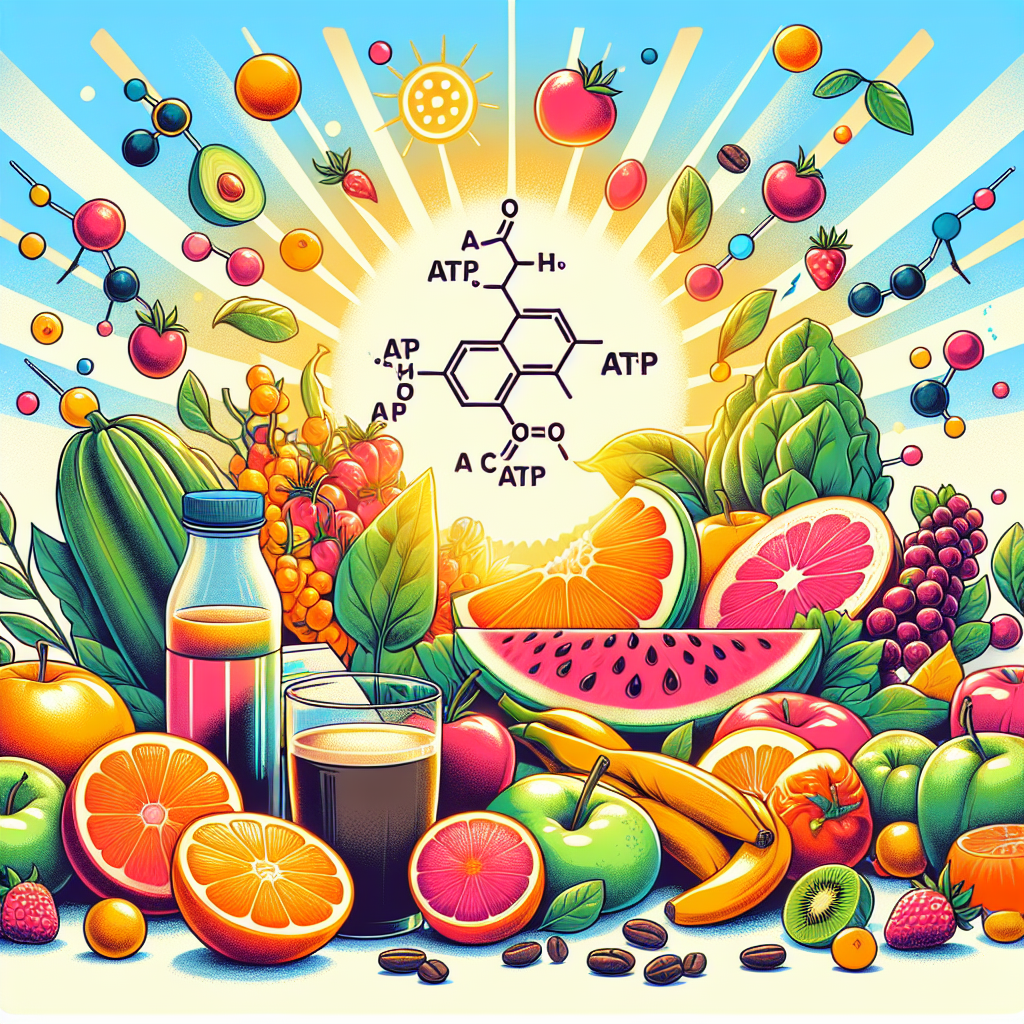
Stimulant-Free Energy Diets: Fueling ATP Production Without Caffeine
In today’s fast-paced world, more than 85% of American adults consume caffeine daily to maintain energy and focus (Statista, 2023). While caffeine may offer a quick burst of alertness, it often leads to unwanted side effects like jitters, anxiety, sleep disturbances, and eventual energy crashes. Fortunately, there’s a healthier and more sustainable approach: a stimulant-free energy diet that focuses on enhancing ATP production.
Adenosine triphosphate (ATP) is the body’s primary source of cellular fuel. Every breath and heartbeat depends on it. By choosing foods that boost ATP naturally, you can enjoy consistent energy without relying on caffeine.
Let’s explore how to maintain high energy levels with a caffeine-free approach to nutrition.
Understanding ATP: Your Body’s Natural Energy Source
ATP acts as the body’s energy currency, produced within the mitochondria—often referred to as the powerhouses of your cells—through the process of cellular respiration.
According to Dr. Nina Watson, integrative nutritionist at VitalCell Health Center, “Caffeine only masks fatigue. But ATP supports energy at the cellular level, where true stamina begins.”
While stimulants only stimulate your nervous system temporarily, eating to support ATP production offers sustained energy from within. By fueling your mitochondria with the right nutrients, you enable your body to perform better over the long term.
This translates into improved mental focus, physical endurance, and emotional stability—without needing a caffeine fix.
For more strategies to naturally increase your energy, visit this guide on natural fatigue fighters at edrugstore.com.
Key Nutrients That Support ATP Production
1. Complex Carbohydrates for Steady Fuel
Complex carbohydrates are one of the best natural sources of energy without caffeine. Unlike simple sugars, complex carbs release glucose gradually into your bloodstream, providing consistent fuel for ATP production.
Examples of complex carb-rich meals:
– Oatmeal for breakfast
– Quinoa or sweet potatoes for lunch
– Lentil or chickpea-based dishes for dinner
“Complex carbohydrates are your cell’s preferred fuel. Without them, your body can’t efficiently produce energy,” says Jessie Norton, RD, of Balanced Fuel Coaching.
Top Sources: Oats, quinoa, legumes, whole grains, sweet potatoes
2. Magnesium: The Cellular Catalyst
Magnesium is essential for ATP synthesis. Without it, your body struggles to convert food into usable energy. According to NIH data, nearly 50% of U.S. adults don’t get enough magnesium (NIH, 2019).
Add more magnesium into your diet with:
– Pumpkin seeds in yogurt
– Spinach in smoothies or salads
– Dark chocolate as a nutritious treat
3. B Vitamins: The Energy Conversion Tools
B-complex vitamins—especially B1, B2, B6, and B12—play a vital role in converting carbohydrates, fats, and proteins into energy. These nutrients are key to optimizing ATP production through nutrition.
Delicious sources include:
– Avocado toast paired with eggs (rich in B6 and B12)
– Grilled wraps with leafy greens (high in folate/B9)
– Pasta topped with nutritional yeast (a great source of B12 for vegans)
Tip: Vegans should consider supplementing with B12, as it’s predominantly found in animal-based foods.
4. CoQ10: Mitochondria’s Energy Partner
Coenzyme Q10 (CoQ10) is a vital molecule that not only acts as an antioxidant but also supports mitochondrial ATP production. CoQ10 levels decline with age, potentially reducing vitality. Studies suggest that CoQ10 supplementation may improve energy and cognitive function (Mancuso et al., 2010).
CoQ10-rich meals include:
– Salmon sushi
– Grass-fed liver pâté
– Whole grain couscous
Vegetarian? Consider speaking with your healthcare provider about incorporating bioavailable ubiquinol supplements.
5. Iron: The Oxygen Transporter
Iron enables red blood cells to carry oxygen—critical for cellular respiration and ATP synthesis. Low iron levels are linked to fatigue and reduced physical stamina (CDC, 2021).
Boost absorption by pairing iron-rich foods with sources of vitamin C:
– Lentils with tomato salsa
– Spinach salad with citrus dressing
6. Healthy Fats: Supporting Mitochondrial Efficiency
Omega-3 fatty acids reduce inflammation and support mitochondrial function, enhancing the body’s ability to sustain energy.
Incorporate healthy fats with meals like:
– Chia seed pudding
– Walnuts in salads
– Fatty fish such as salmon or sardines
Tip: Aim to include omega-3-rich foods at least twice a week for optimal energy benefits.
Daily Foods That Promote Natural Energy
For long-lasting energy throughout the day, build meals with these whole foods that support ATP function:
– Bananas – A rich source of potassium and slow-digesting carbohydrates.
– Sweet Potatoes – Packed with fiber and beta carotene.
– Spinach – High in iron, magnesium, and B-complex vitamins.
– Oats – Ideal for steady morning energy and balanced blood sugar.
– Greek Yogurt – A protein-rich option that delivers vitamin B12.
A great caffeine-free breakfast option: Blend a smoothie with banana, spinach, oats, almond milk, and chia seeds for sustained energy minus the crash.
Sample Meal Plan for All-Day Energy Without Stimulants
Here’s a sample menu to help you maintain high energy levels naturally:
Breakfast: Overnight oats made with almond milk, banana slices, chia seeds, and walnuts
Lunch: Quinoa power bowl with roasted sweet potatoes, black beans, fresh spinach, and avocado
Snack: Greek yogurt with blueberries and sunflower seeds
Dinner: Grilled salmon with brown rice and sautéed broccoli in olive oil
Evening Treat: 80% dark chocolate paired with a calming herbal tea like ginger or rooibos
No salmon? For a plant-based dinner, substitute with seasoned lentils and sautéed kale for a similarly energizing option.
Lifestyle Tips to Support Sustainable Energy
Nutrition plays a central role in energy production, but daily habits also matter. Incorporate these lifestyle practices to enhance your natural energy without turning to stimulants:
Stay Hydrated
Dehydration can impair mitochondrial function. Drink 8 to 10 cups of water each day for optimal performance.
Get Quality Sleep
Restorative sleep boosts ATP stores. Aim for 7 to 9 hours each night to recharge your body at the cellular level.
Exercise Regularly
Physical activity increases the number and efficiency of mitochondria. Walking at least 30 minutes a day can significantly enhance energy levels.
Manage Stress Levels
Chronic stress impacts cortisol levels and depletes nutrients essential for ATP production.
“Chronic stress robs your body of nutrients that support energy production. Mindful habits can help preserve your reserves,” explains Dr. Emily Cho, naturopathic physician at Renew Wellness Clinic.
Incorporate mindfulness practices, stretching routines, or journaling to maintain emotional balance and reduce energy-draining anxiety.
Conclusion: Your Path to Energy Without Caffeine
If you’re among the millions facing daily fatigue, know that a caffeine-free diet for sustained energy is not only achievable—it’s highly effective. With thoughtful meal planning centered around complex carbohydrates, B vitamins, magnesium, and healthy fats, you can naturally support ATP production and avoid energy crashes.
Explore more about caffeine-free living and holistic wellness in this helpful guide at edrugstore.com.
Ready to break free from caffeine dependence and unlock your body’s natural energy potential? A stimulant-free lifestyle might just be the key to lasting vitality.
Share Your Journey
Have you embraced a caffeine-free lifestyle? What habits or foods helped you reclaim your natural energy? Share your experience in the comments below.
Want more resources on holistic wellness and stimulant-free living? Subscribe to our newsletter and follow us on Instagram for practical tips and inspiration.
References
– Centers for Disease Control and Prevention (CDC). (2021). Iron Deficiency. https://www.cdc.gov/nutrition/micronutrient-malnutrition/micronutrients/iron.html
– National Institutes of Health – Magnesium Fact Sheet. (2019). https://ods.od.nih.gov/factsheets/Magnesium-HealthProfessional/
– Statista. (2023). Daily Caffeine Consumption. https://www.statista.com/statistics/306899/us-consumer-daily-coffee-consumption/
– Mancuso M, Orsucci D, et al. (2010). Coenzyme Q10 and neurological diseases. Pharmaceuticals, 3(9), 2855–2877
– Harvard Health Publishing. (2020). Boosting Your Energy Naturally. https://www.health.harvard.edu/staying-healthy/boosting-your-energy
Related posts

How Strategic Cheat Meals Can Jumpstart Progress When Weight Loss Plateaus Threaten Your Motivation
Unlock the secret to overcoming weight loss plateaus with strategic cheat meals! Discover how indulging mindfully can reignite your motivation and boost your progress. Learn to transform those guilty pleasures into powerful tools that keep you on track and excited about your journey. Embrace balance, satisfaction, and success like never before!

Unlocking the Weekend Eating Paradox: Why Cheat Meals Can Boost Fat Loss Without Derailing Your Diet
Struggling to stick to your diet over the weekend? Discover the secret to enjoying guilt-free cheat meals while accelerating fat loss! “Unlocking the Weekend Eating Paradox” reveals how strategic indulgences can revitalize your metabolism and amplify results without derailing your progress. Ready to transform your weekends into a powerful weight-loss ally? Dive in now!
