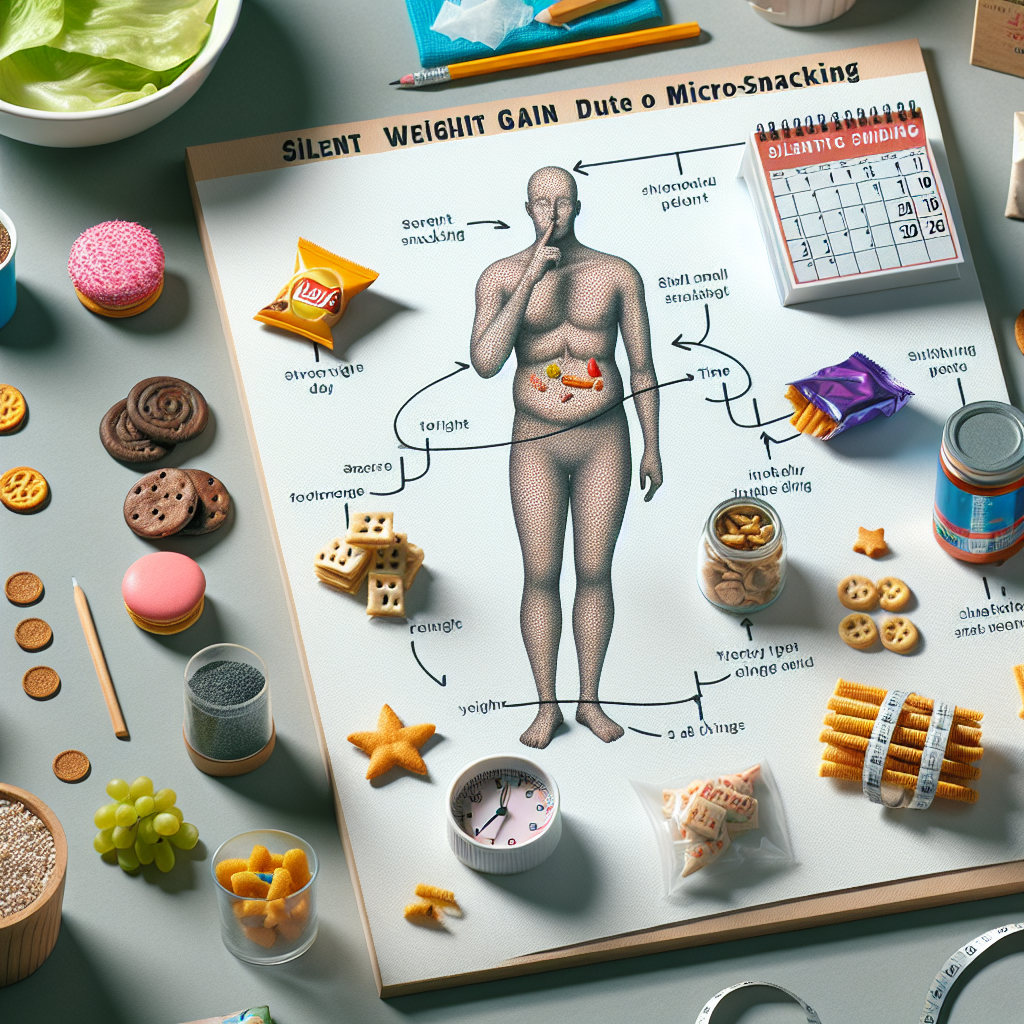
Silent Weight Gain: How Micro-Snacking Adds 12 Pounds per Year
When we think about weight gain, major meals and fast food are usually blamed. But what if those aren’t the real culprits? What if it’s the small bites you take without thinking? This is where micro-snacking comes in—an overlooked habit that can lead to gaining up to 12 pounds a year without you realizing it.
Let’s uncover how micro-snacking contributes to gradual weight gain, how to recognize it in your daily life, and what you can do to stop it.
What Is Micro-Snacking?
Micro-snacking is the act of eating small amounts of food mindlessly throughout the day—outside of planned meal times. These aren’t full meals or even full snacks. They’re just a bite here or a taste there. For example:
– Grabbing a cookie while passing through the kitchen
– Eating a few fries off someone else’s plate
– Snacking on trail mix while working
Though these seem like harmless habits, they do add up. The calories from these spontaneous, unplanned snacks can significantly contribute to ongoing weight gain over time.
Example: Eating just three mini candy bars (approximately 65 calories each) every weekday adds up to 975 extra calories per week. That’s close to one-third of a pound—without sitting down for a single official snack.
“The average person underestimates their daily calorie intake by 20 to 40 percent,” says Dr. Susan Albers, a psychologist at the Cleveland Clinic and author of Mindful Eating 101. “And micro-snacking is one of the biggest culprits behind that underreporting.”
How Micro-Snacking Adds Up Over Time
You may think that skipping dessert or drinking diet soda balances out those small extra bites—but the math disagrees.
Here’s how it stacks up:
– One granola bar: about 100 calories
– One tablespoon of peanut butter “just to taste”: 90–100 calories
– A few potato chips while making dinner: 70–150 calories
Consuming just 100 additional calories each day adds up to 700 calories per week, or 36,500 calories per year. Since about 3,500 calories equals one pound of fat, that equates to around 10–12 pounds gained annually.
Key takeaway: Eating just 100 extra calories a day can quietly lead to gaining up to 12 pounds in a year.
These calories often go untracked, making them even easier to overlook.
The Psychology of Micro-Snacking
Why do we snack when we’re not hungry? Experts point to behavior patterns rather than need. Micro-snacking often occurs when:
– You’re distracted by screens or multitasking
– You’re in a social situation with food readily available
– You’re experiencing emotions like stress, boredom, or fatigue
Have you ever eaten a bag of popcorn during a movie and suddenly realized it was gone—even though you weren’t actually hungry? That’s mindless snacking.
According to the American Psychological Association, stress eating contributes to an increased intake of high-calorie foods, typically without physical hunger being present.
The food industry also encourages constant snacking by marketing high-calorie options—like energy bars, flavored nuts, and protein bites—as healthy or essential. Despite their small size, many of these products contain 200 to 300 calories and offer little lasting fullness.
“The snack industry has normalized grazing throughout the day, causing people to lose touch with true hunger and fullness,” says Dr. Brian Wansink, former director of the Food and Brand Lab at Cornell University.
How to Recognize Your Snacking Habits
Awareness is the first step toward control. Most people don’t even realize how often they snack—or why.
Try keeping a three-day mindful eating diary. Make sure to include:
– Every bite, taste, and sip (yes, even “just one” French fry)
– All calorie-containing drinks, including sweetened coffee and juice
– Snacks consumed while watching television, driving, or using your phone
Use your phone’s notes or a food-tracking app like MyFitnessPal to make it simple and convenient.
Common micro-snacking triggers include:
– Emotional eating, such as turning to food during stress or anxiety
– Environmental cues, such as candy jars or visible snacks
– Social pressure, including eating to be polite during events
– Habit-based actions, like snacking automatically while watching a show
Being honest with yourself about these habits is essential to making lasting changes.
Effective Strategies to Stop Micro-Snacking
Now that you’re aware of the impact of micro-snacking, here are some effective ways to reduce it and prevent silent weight gain:
1. Practice Mindful Eating
Ask yourself, “Am I truly hungry or just reacting to boredom or stress?” Slow down meals and take time to taste each bite. Studies show mindful eating helps reduce overall food intake and leads to greater satisfaction.
2. Establish Regular Eating Times
Eat three balanced meals and one to two intentionally planned snacks each day. This creates consistency and reduces impulsive snacking.
3. Reduce Temptation at Home
Keep high-calorie snacks like chips and cookies stored in hard-to-reach places. Position healthier options—such as cut fruit and vegetables—at eye level in the fridge.
4. Stay Hydrated
Mild dehydration can feel like hunger. Drink water throughout the day, and flavor it with lemon or cucumber if needed. Staying hydrated can prevent you from reaching for snacks unnecessarily.
5. Avoid Distracted Eating
Turn off screens and devices during meals and snacks. When you eat while distracted, you’re less aware of how much you’re consuming. Research shows distracted eating can lead to consuming up to 25 percent more calories.
6. Plan Smart Snacks
Be proactive with your snacks. Choose high-protein options that will keep you satisfied and prevent ongoing cravings. For example:
– Hard-boiled eggs or string cheese
– Apple slices with almond butter
– Low-fat cottage cheese with berries
– Carrot sticks with hummus
Planned snacking keeps you in control and helps maintain stable energy levels throughout the day.
The Bottom Line: Small Habits, Big Results
Micro-snacking might feel harmless, but it can silently lead to significant weight gain. One pound a month may not seem like much, but that adds up to more than 12 pounds a year. If you’ve been puzzled by unexplained weight gain, micro-snacking may be the hidden factor.
The good news? You can take back control by becoming more mindful of what, when, and why you’re snacking.
Start today with a three-day food log to uncover your patterns. Once you know your habits, simple steps—like eating mindfully, planning snacks, and staying hydrated—can make all the difference.
Before reaching for that handful of crackers or sugary coffee, ask yourself: “Am I truly hungry?”
If you’re looking for support and resources to adopt healthier habits, visit edrugstore.com for expert tips on wellness, weight management, and long-term vitality.
References
1. Albers, S. (2010). Mindful Eating 101: A Guide to Healthy Eating in College and Beyond. Routledge.
2. American Psychological Association. (2013). Stress in America Survey. https://www.apa.org/news/press/releases/stress/2013/eating
3. Wansink, B. (2010). Mindless Eating: Why We Eat More Than We Think. Bantam Books.
4. Harvard Health Publishing. (2018). The art of mindfulness: Why mindful eating matters. https://www.health.harvard.edu
5. Hetherington, M. M., & Blundell-Birtill, P. (2017). Brain mechanisms controlling appetite and energy intake. In Nutrition and Mental Performance. Elsevier.
Ready to take the first step toward better health? Begin tracking your snacking habits and see what a difference just a few small changes can make.
Related posts
Cheat Meal Choices: Understanding the Long-Term Metabolic Impact and Caloric Compensation Strategies
Indulging in cheat meals doesn’t have to sabotage your fitness goals. In “Cheat Meal Choices: Understanding the Long-Term Metabolic Impact and Caloric Compensation Strategies,” we explore how smart cheat meal planning can fuel your metabolism and satisfy cravings without derailing progress. Discover how to indulge wisely and harness your body’s natural compensatory mechanisms!

Navigating the Metabolic Balancing Act: How Strategic Cheat Meals Can Break Weight Loss Plateaus Without Derailing Progress
Unlock the secret to sustainable weight loss! “Navigating the Metabolic Balancing Act” reveals how strategic cheat meals can triumph over stubborn plateaus. Discover the art of indulging without guilt, rejuvenate your metabolism, and transform your fitness journey. Don’t let progress stall—embrace smart indulgence and keep your goals on track!
