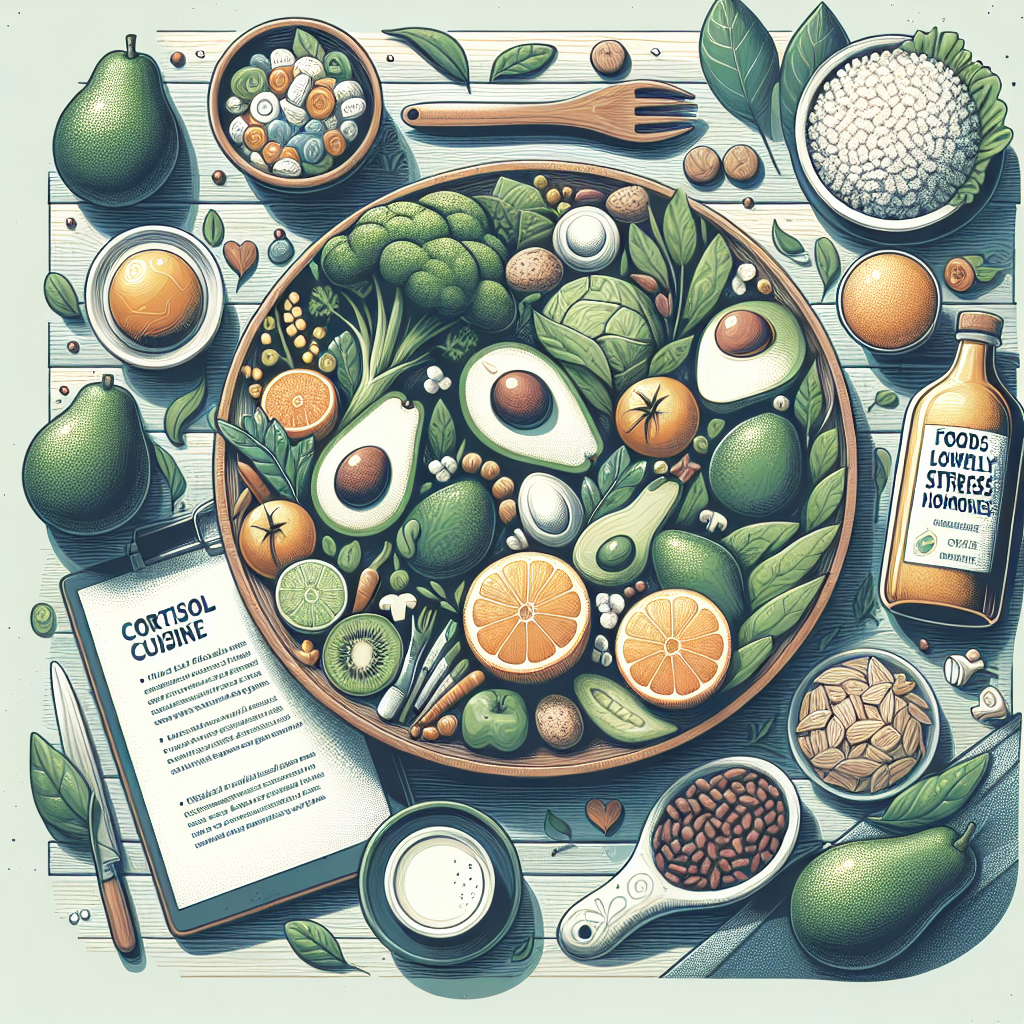
Cortisol Cuisine: Eat Your Way to Stress Relief
In today’s fast-paced world, stress has become an almost constant companion. From balancing demanding careers to managing daily responsibilities, feeling overwhelmed often seems unavoidable. But while occasional stress is normal, chronic stress can take a heavy toll on the body — with one hormone at the center of it all: cortisol.
Cortisol is your body’s primary stress hormone, crucial for regulating metabolism, blood pressure, immune function, and sleep cycles. However, when cortisol stays elevated due to prolonged stress, it can cause unwanted effects like anxiety, weight gain, sleep disturbances, and increased risk of heart disease. According to the American Psychological Association, over 75% of adults in the U.S. report experiencing moderate to high stress levels regularly. Chronic stress has even been labeled the “health epidemic of the 21st century.”
The good news? Your diet can play a powerful role in reducing cortisol naturally. By incorporating Cortisol-Lowering Foods for Stress Relief — also known as Cortisol Cuisine — you can support your body’s ability to stay calm and balanced.
Let’s explore the top stress-reducing foods, organized by food group.
Avocados: The Creamy Calm-Makers
Avocados are more than just a trendy toast topper. Packed with magnesium — a mineral involved in more than 300 bodily processes — avocados help regulate cortisol. People with magnesium deficiencies are more susceptible to anxiety and elevated cortisol levels.
Registered dietitian Nancy Clark explains it well: “Magnesium plays a crucial role in calming the nervous system. A lack of it can impair the brain’s ability to manage stress effectively.”
Add slices to your grain bowl, blend into smoothies, or mash into a simple guacamole to serve with fresh veggies for a calming snack.
Dark Leafy Greens: Nature’s Chill Pill
Spinach, kale, and Swiss chard are rich sources of both magnesium and folate. These powerful nutrients work together to lower cortisol and lift your mood. Folate is instrumental in the production of dopamine — a neurotransmitter that enhances mood stability and satisfaction.
To incorporate these greens, try adding kale to a smoothie, sautéing spinach with garlic as a side dish, or folding chard into scrambled eggs for a cortisol-friendly breakfast.
Fatty Fish: Omega-3s for Hormonal Balance
Fatty fish like salmon, mackerel, and sardines are rich in omega-3 fatty acids. These healthy fats help reduce inflammation and support hormonal balance, which includes regulating cortisol.
A study in the Journal of Clinical Endocrinology & Metabolism found that individuals who supplemented with omega-3s for four weeks had significantly lower cortisol levels.
Try this nourishing combo: grilled wild salmon served alongside a quinoa pilaf and roasted vegetables.
Berries: Sweet & Stress-Busting
Berries — including blueberries, strawberries, and raspberries — are loaded with antioxidants such as vitamin C and polyphenols. These compounds help fight oxidative stress, a condition associated with elevated cortisol levels.
Research from McGill University shows that vitamin C can help reduce cortisol in people facing acute stress. For a tasty fix, add berries to oatmeal, Greek yogurt, or snack on them throughout the day. These make excellent Antioxidant-Rich Snacks for Cortisol Control.
Fermented Foods: Gut Health for Stress Relief
Fermented foods like yogurt, kefir, kimchi, kombucha, and sauerkraut foster a healthy gut microbiome. A healthy gut influences neurotransmitters such as serotonin and GABA, both of which are tied to mood and stress response.
A 2019 study in the journal Nutrients confirmed that the consumption of probiotics can reduce cortisol levels while improving mood.
For a mindful meal, enjoy a kefir-based parfait with chia seeds and berries, or pair your sandwich with a side of sauerkraut.
Herbal Teas: Sip Away Stress
Herbal teas like chamomile, lemon balm, and ashwagandha offer relaxing benefits that support cortisol reduction. Chamomile tea is particularly effective in easing stress and improving sleep quality.
Ashwagandha is an adaptogenic root that helps the body manage hormonal stress. An 8-week study reported that participants who took ashwagandha extract experienced up to a 44% decrease in cortisol levels.
Unwind with a warm mug of chamomile or lemon balm tea before bed to promote deep relaxation.
Whole Grains: Fuel That Supports Calm
Whole grains such as oats, brown rice, quinoa, and farro provide sustained energy that keeps blood sugar and cortisol levels steady. In contrast, refined carbs lead to blood sugar spikes that may increase cortisol.
Dr. Mark Hyman, a functional medicine physician, states: “Stable blood sugar is key to a stable mood. When glucose and insulin fluctuate, cortisol steps in to compensate — often manifesting as irritability or anxiety.”
Start your day with steel-cut oats topped with fruit and seeds for lasting energy and hormonal balance.
Dark Chocolate: A Sweet Treat That Helps You Relax
Dark chocolate — with at least 70% cocoa — contains flavonoids and magnesium, both known for their Natural Stress-Reducing Properties. A 2018 study by Loma Linda University showed that eating dark chocolate not only improved mood but also reduced cortisol levels in the brain.
Indulge wisely with one or two small squares in the mid-afternoon when tension and cravings often spike.
How You Eat Matters Too: Cortisol-Conscious Habits
In addition to choosing the right foods, how you approach eating plays a significant role in regulating stress hormones.
– Stay Hydrated to Reduce Cortisol: Even mild dehydration can elevate cortisol. Aim for 8 to 10 cups of water daily.
– Eat Regularly: Skipping meals can lead to a drop in blood sugar, triggering a cortisol spike. Eat balanced meals every 3–4 hours.
– Practice Mindful Eating: Sit down, slow down, and savor your meals without distractions. This helps engage the parasympathetic nervous system — the body’s natural “rest and digest” mode.
– Limit Caffeine and Alcohol: Excess caffeine can overstimulate while alcohol disrupts hormonal balance and sleep. Stick to 1–2 cups of morning coffee and only moderate occasional alcohol.
Final Bite: Eat to Beat Chronic Stress
While food alone won’t eliminate stress, incorporating nutrient-dense, hormone-supporting meals can significantly help your body handle stress more efficiently. By choosing cortisol-lowering ingredients like fatty fish, leafy greens, berries, and fermented foods, you empower your body to stay resilient.
Feeling the pressure of your daily to-do list? Build a well-rounded, Nutrient-Dense Meal for Cortisol Reduction — like a grilled salmon grain bowl with creamy avocado, a side of kimchi, a calming cup of herbal tea, and a mindful square of dark chocolate.
Stress may be a part of life, but how you respond to it is a choice. With Cortisol Cuisine, you’re doing more than eating to survive — you’re nourishing your way back to balance and peace.
Here’s to eating wisely, living calm, and thriving with every delicious bite.
References
1. American Psychological Association. “Stress in America 2022.” https://www.apa.org/news/press/releases/stress/2022/report-october
2. Boyle, N.B., Lawton, C., & Dye, L. “The effects of magnesium supplementation on subjective anxiety and stress.” Nutrients. (2017).
3. Rapaport, M.H. et al. “A randomized controlled trial of omega-3 fatty acids in the treatment of major depression.” Journal of Clinical Psychiatry. (2011).
4. Brody, S. “High-dose vitamin C supplementation reduces stress.” McGill University Research.
5. Zhang, N. et al. “Gut microbiota: a method from ancient Chinese medicine to modern integrative medicine.” Nutrients. (2019).
6. Amsterdam, J.D., et al. “Chamomile (Matricaria recutita) may provide clinically meaningful antidepressant activity…” Journal of Clinical Psychopharmacology. (2012).
7. Chandrasekhar, K., Kapoor, J., & Anishetty, S. “A prospective, randomized, double-blind, placebo-controlled study of safety and efficacy of a high-concentration full-spectrum extract of Ashwagandha root.” Indian Journal of Psychological Medicine. (2012).
8. Lee, S. et al. “Dark chocolate reduces stress and inflammation and improves mood.” Loma Linda University Research. (2018).
Related posts
Why Pre-Portioned Snacks Work Better Than Willpower
Unlock the secret to effortless portion control with pre-portioned snacks! Ditch the struggle of relying solely on willpower. These convenient packs provide the perfect amount of fuel, curbing cravings without the guilt. Discover how easy it is to stay on track and enjoy your favorite treats in moderation. Start snacking smarter today!
The “Healthy Halo” Effect: How Labels Trick You Into Overeating
Unlock the secret behind the “Healthy Halo” effect that’s making you overeat without realizing it! Discover how cleverly designed labels trick your mind into consuming more than you should. Dive into our blog to learn how to outsmart these marketing strategies and make healthier food choices effortlessly. Start eating smarter today!
