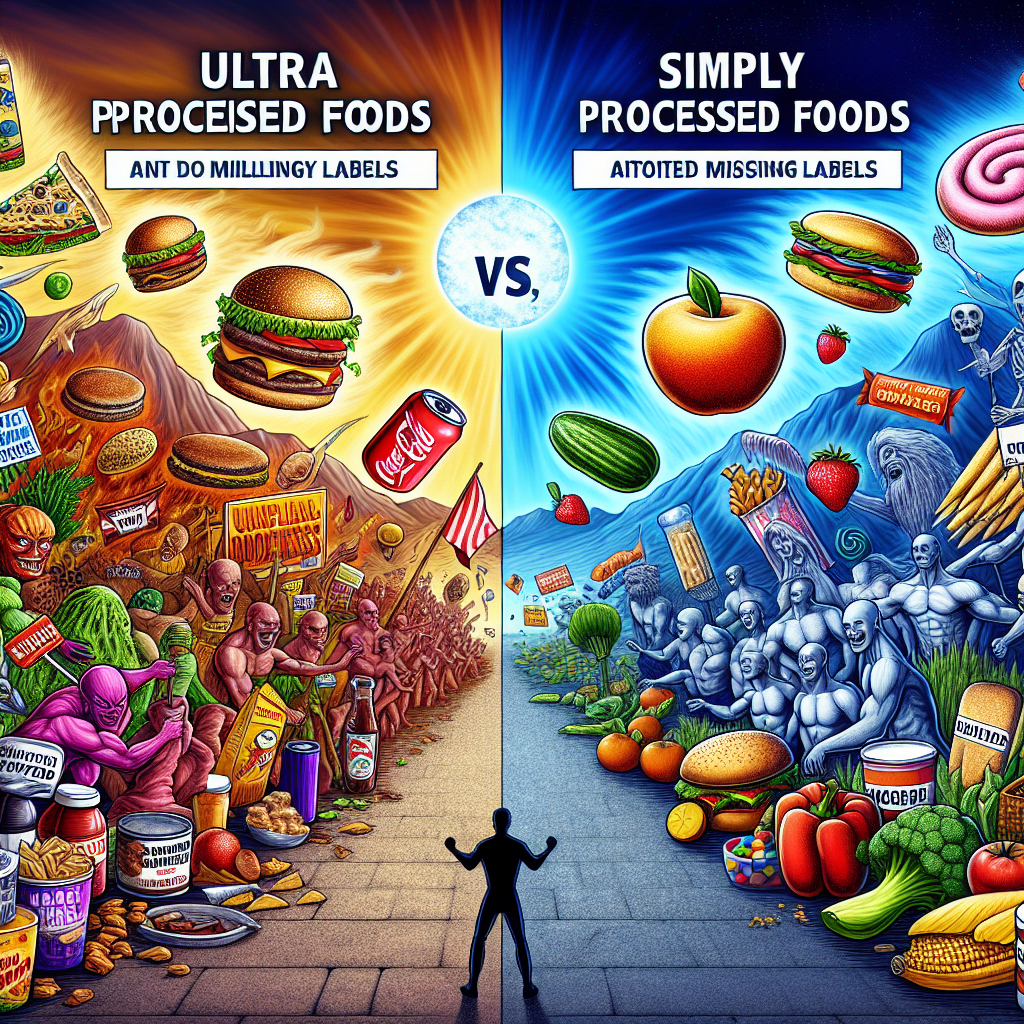
Decoding Food Labels: Ultra-Processed vs. Simply Processed
In today’s fast-paced world, eating healthy can feel like solving a puzzle. Buzzwords like “organic,” “clean,” and “all-natural” are plastered across food packaging, but one of the most misunderstood topics is the difference between ultra-processed and simply processed foods. Are all processed foods harmful? Are companies making unhealthy foods look nutritious — and how?
Let’s uncover the truth behind food processing, expose how labels can mislead, and explain why understanding what’s on your plate is more important than ever.
What Does “Processed” Actually Mean?
First, it’s essential to recognize that most foods are processed in some way. Examples of minimally processed foods include pre-washed lettuce, roasted nuts, and frozen vegetables — all of which can be very nutritious. Even everyday kitchen techniques like chopping, cooking, or freezing count as processing.
Dr. Marion Nestle, a professor of nutrition at New York University, explains, “Processing per se is not the issue. It’s the purpose and extent of the processing that matters.”
The concern arises with ultra-processed foods — products that go far beyond traditional food preparation. These are industrially crafted using synthetic ingredients and additives that rarely exist in a typical household kitchen.
What Qualifies a Food as Ultra-Processed?
Ultra-processed foods are industrial formulations made primarily from substances like refined starches, hydrogenated oils, synthetic flavor enhancers, and preservatives. Common examples include:
– Soft drinks and sweetened beverages
– Instant noodles and frozen microwave meals
– Processed snack cakes and chips
– Candy and sugar-filled breakfast cereals
These products often have ingredient lists packed with scientific names such as maltodextrin, artificial colorings, and high-fructose corn syrup. They’re engineered for taste, convenience, and long shelf life — often at the cost of nutritional value.
According to the NOVA food classification system developed by Brazilian researcher Dr. Carlos Monteiro, these ultra-processed items are not merely preserved — they are entirely restructured using chemical ingredients to imitate the taste and texture of whole foods. “The purpose of ultra-processing is to create profitable food products by minimizing cost and maximizing shelf-life,” says Monteiro.
The Truth Behind Food Labels: Marketing vs. Reality
This is where things get tricky. The food industry invests billions in marketing strategies that use appealing terms like “made with real ingredients” or “lightly processed.” These buzzwords suggest health but are often misleading and unregulated.
For example, a so-called healthy “veggie puff” snack might advertise real spinach and quinoa on its packaging, but the ingredients reveal multiple oils, preservatives, and artificial seasonings — similar to those found in junk food.
A study published in the Journal of Public Health Nutrition in 2020 found that 74 percent of packaged supermarket foods are classified as ultra-processed, even though many have health-conscious branding.
Popular Foods That Appear Healthy — But Aren’t
Let’s examine two readily available food items to see how ultra-processing hides behind a health halo:
1. Granola Bars
Although granola bars often include oats and nuts, they typically also contain multiple forms of sugar (like honey, brown rice syrup, and glucose), refined oils, and artificial flavors. These qualify as ultra-processed foods despite their “natural” appeal.
2. Plant-Based Meat Substitutes
Switching to plant alternatives may benefit the environment and reduce red meat consumption, but not all plant-based meats are created equally. Many include soy protein isolate, gums, emulsifiers, and food coloring. As Dr. Dariush Mozaffarian from Tufts University cautions, “Just because it’s plant-based doesn’t mean it’s healthy.”
Why Overconsumption of Ultra-Processed Foods is a Health Risk
Numerous studies connect regular consumption of ultra-processed foods to serious health conditions, including:
– Obesity
– High blood pressure
– Type 2 diabetes
– Heart disease
– Certain types of cancer
A 2019 study published in BMJ revealed that a 10% increase in the proportion of ultra-processed foods in a person’s diet corresponded with a 14% higher risk of premature death.
Beyond the questionable ingredients, these foods are often designed to be hyper-palatable, encouraging overeating and leading to excess calorie consumption.
Insights from edrugstore.com further confirm that this pattern of mindless snacking, driven by highly processed foods, has significantly contributed to rising rates of metabolic disorders.
How to Outsmart Misleading Labels and Eat Smarter
Avoiding ultra-processed foods doesn’t have to mean giving up convenience or flavor. Here are simple strategies you can use right now:
1. Read Ingredient Lists
Look beyond front-label buzzwords. If the ingredients list is long or hard to understand, chances are it’s ultra-processed.
2. Choose Whole or Minimally Processed Foods
Staples like fresh fruits, vegetables, whole grains, legumes, and natural dairy products are nutrient-dense and satisfying without unnecessary additives.
3. Cook at Home More Often
Home-cooked meals put you in control of what goes on your plate. Even cooking one meal a day from scratch can significantly reduce your intake of ultra-processed foods.
4. Be Wary of Trendy Health Terms
Buzzwords like “clean,” “natural,” or “simply made” sound positive but often lack regulation. Always examine the nutrition label and actual ingredients.
The Takeaway: Choose Food That Nourishes, Not Just Fills
Learning the distinction between ultra-processed and minimally processed foods is essential for making informed nutrition choices. Not all processing is harmful — techniques like freezing or canning can help preserve vital nutrients and reduce food waste. However, ultra-processed foods are engineered with additives that strip foods of their natural benefits and often carry health risks.
The bottom line is this: for improved energy, better weight management, and a healthier future, prioritize real food most of the time. You don’t need flashy marketing to guide your choices — wholesome foods speak for themselves.
Next time you shop, ask yourself: “Was this food made in a plant — or did it come from a plant?”
Knowledge is powerful. By reading labels carefully and cooking more from scratch, you can take back control of your diet and make choices that support long-term health.
References
– Monteiro, C. A., et al. (2016). NOVA. The star shines bright. World Nutrition, 7(1-3), 28–38.
– Srour, B., et al. (2019). Ultra-processed food intake and risk of cardiovascular disease. BMJ, 365, l1451.
– Public Health Nutrition (2020). Ultra-processed foods and added sugars in the U.S. diet.
– Mozaffarian, D. (2021). The True Health Cost of Ultra-Processing. Tufts Now.
– edrugstore.com (2023). Could Your Diet Impact Your Libido? Retrieved from https://www.edrugstore.com/blog/sex/diet-libido-link/
Related posts
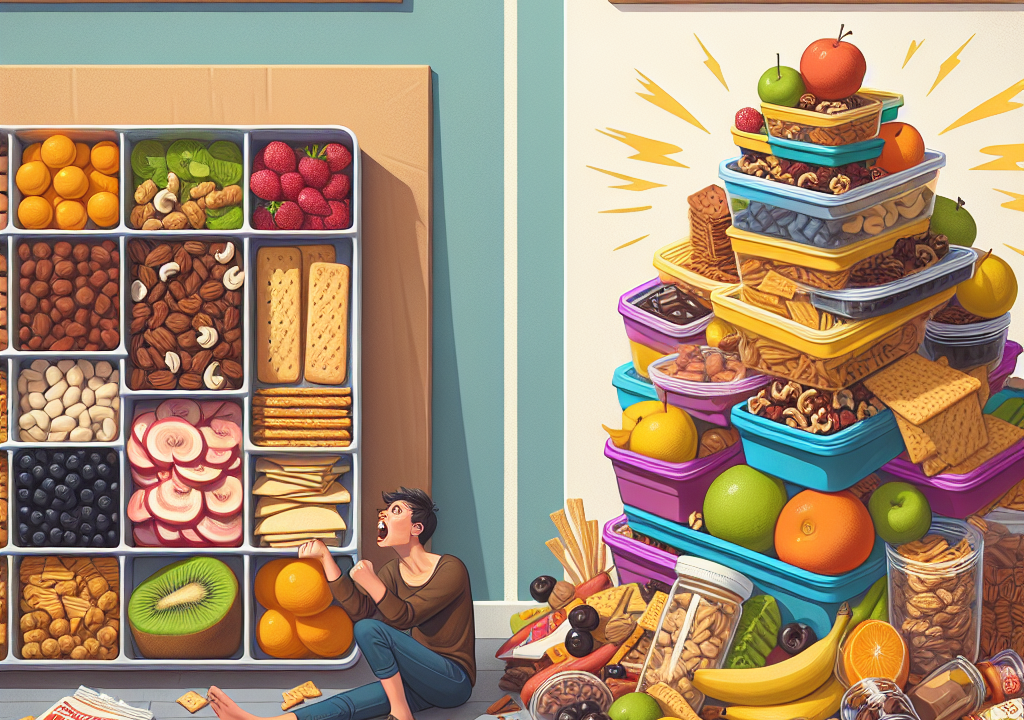
Why Pre-Portioned Snacks Work Better Than Willpower
Unlock the secret to effortless portion control with pre-portioned snacks! Ditch the struggle of relying solely on willpower. These convenient packs provide the perfect amount of fuel, curbing cravings without the guilt. Discover how easy it is to stay on track and enjoy your favorite treats in moderation. Start snacking smarter today!
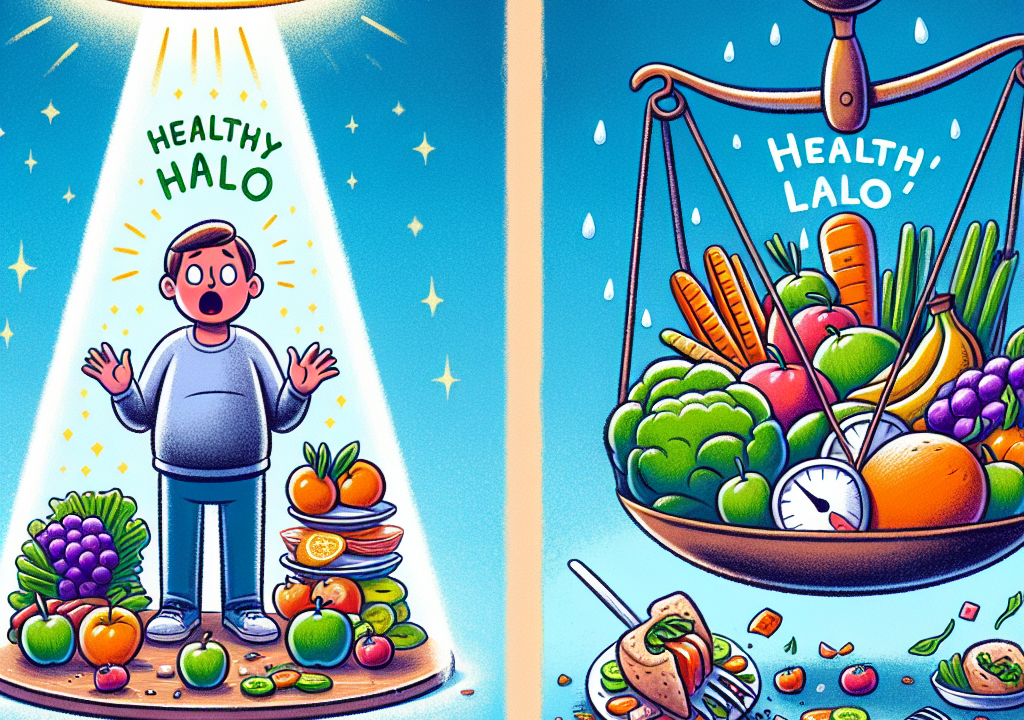
The “Healthy Halo” Effect: How Labels Trick You Into Overeating
Unlock the secret behind the “Healthy Halo” effect that’s making you overeat without realizing it! Discover how cleverly designed labels trick your mind into consuming more than you should. Dive into our blog to learn how to outsmart these marketing strategies and make healthier food choices effortlessly. Start eating smarter today!
