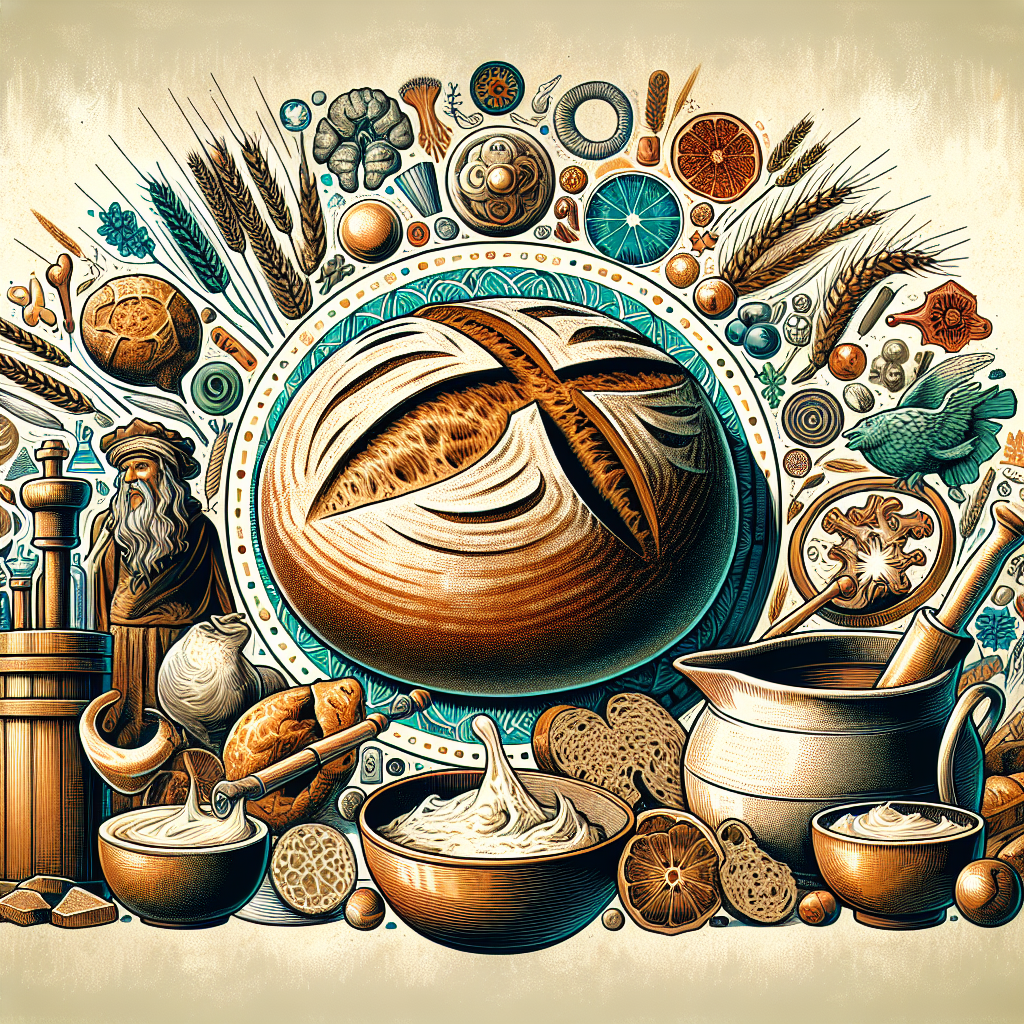
The Bread Renaissance: A Deliciously Healthy Return
In recent years, there has been a significant revival of traditional baking — especially naturally fermented sourdough bread known for its gut-supporting benefits. Globally, artisan bread baking spiked by over 300 percent during the early phase of the COVID-19 pandemic (Google Trends, 2020), and this momentum continues to grow. More people are choosing wholesome breads made with ancient grains, valuing nutrition over convenience. With its crisp crust, rich flavor, and chewy crumb, sourdough symbolizes a deeper appreciation for mindful eating.
Why Sourdough is More Than Just Bread
Nutritionists emphasize that sourdough’s value goes beyond taste. “Sourdough’s fermentation process improves digestibility and nutrient absorption in ways commercial bread often cannot,” says registered dietitian Sarah Pflugradt, MS, RDN. But what exactly makes sourdough different — and more importantly, how does it benefit digestive health?
Read on to discover the fascinating science behind sourdough and why it may be one of the most underrated fermented foods for gut health.
Back to Basics: The Craft of Traditional Sourdough
Unlike highly processed commercial breads laden with chemical leavening agents and preservatives, traditional artisan sourdough bread is crafted slowly with only a few pure ingredients. This includes flour, water, natural starter culture, and salt.
The sourdough starter — a living culture of wild yeast and lactic acid bacteria (LAB) — naturally leavens the bread while also breaking down complex starches and gluten during prolonged fermentation. While commercial bread may rise in under two hours, authentic sourdough is typically fermented for 12 to 48 hours. This extended process not only heightens flavor but also boosts digestibility and nutrient absorption.
The Magic in the Microbes: The Fermentation Advantage
The real transformation in sourdough takes place at the microbial level. During slow fermentation, LAB and wild yeast consume sugars in the flour and convert them into beneficial acids and gases. This process reduces gluten content and lowers the bread’s glycemic index, resulting in steadier blood sugar responses than those caused by white or even standard whole wheat bread (British Journal of Nutrition, 2008).
Sourdough fermentation also yields several health-promoting compounds:
– Lactic and acetic acids: Enhance flavor and naturally preserve freshness
– Bioactive peptides: Offer antioxidant and antimicrobial benefits
– Natural enzymatic activity: Reduces phytic acid, an antinutrient that interferes with mineral absorption
Phytic acid, commonly present in whole grains, can hinder the body’s ability to absorb key minerals like iron and zinc. Luckily, LAB in sourdough help break down phytic acid, making nutrients more readily available — an essential function for supporting immunity and maintaining energy levels.
Gut Health and Sourdough: A Digestive Duo
Digestive health plays a crucial role in overall wellness, influencing everything from our mood to metabolic performance. Experts often recommend fermented, fiber-rich foods to nourish gut microbiota — and sourdough is an often-overlooked star in this category.
Though the high temperature of baking kills most probiotics, sourdough still supplies prebiotics — indigestible fibers that help feed beneficial bacteria like bifidobacteria and lactobacilli. A 2019 review in the journal Nutrients linked prebiotic-rich diets to reduced inflammation and stronger immune function.
Using whole grain flours such as rye or spelt enhances this benefit due to higher fiber content. Additionally, the fermentation process helps break down gluten proteins, making sourdough easier to digest for those with non-celiac gluten sensitivity, potentially easing symptoms like bloating and fatigue (De Angelis et al., 2007).
Note: While easier to digest, sourdough bread still contains gluten and is not suitable for individuals with celiac disease.
Why the Sourdough Boom Is Happening Now
The resurgence of sourdough is partly a reaction to the prevalence of ultra-processed foods and the growing rate of digestive disorders. Over 60 million Americans deal with gastrointestinal issues annually (GI Alliance, 2023), motivating many to explore natural dietary solutions.
During the COVID-19 lockdowns, bread baking became a therapeutic and creative outlet. “Making sourdough lets you slow down and interact with a living food culture — it’s deeply satisfying,” shares chef and fermentation expert Sandor Katz. For many, this hobby evolved into a lasting lifestyle shift that helped reconnect people to their food origins and cultural roots.
Today, bakers and influencers alike use sourdough as a base for nutrient-dense combinations — such as avocado, sprouts, or nut butter — making it a go-to for flavorful breakfasts that fuel digestion and energy levels.
Top Tips for Choosing and Making Gut-Friendly Sourdough
Thinking about enjoying the benefits of sourdough in your own kitchen? Here are four key ways to make the most of its gut health potential:
1. Look for Authentic Ingredients
Choose loaves that contain only flour, water, salt, and a starter. Avoid options with commercial yeast or added acids like vinegar, which mimic sourdough’s flavor but lack the full fermentation process.
2. Choose Whole or Ancient Grains
Rye, spelt, einkorn, and whole wheat are excellent choices. They’re naturally rich in fiber, minerals, and prebiotics that nourish your gut microbiota.
3. Bake It Yourself
Home baking gives you full control over the ingredients and fermentation timeline. It’s particularly helpful for individuals navigating mild digestive concerns or sensitivities.
4. Allow for Long Fermentation
Aim to ferment your dough for 12 to 24 hours or more. This not only improves taste and texture but also enhances gut-supportive compounds.
For those needing extra digestive support, sourdough can be paired with high-quality gut health supplements to complement a whole-food, fiber-rich diet.
Nourishment Beyond the Loaf
The resurgence of sourdough isn’t just a food trend — it’s a return to timeless practices that blend flavor, tradition, and health. Eating naturally fermented sourdough can help support digestion, minimize food sensitivities, and boost nutrient intake in ways modern processed breads can’t.
Sourdough baking also cultivates patience, mindfulness, and creativity. Each loaf honors an ancient process while offering deeply satisfying nourishment. As more people embrace wild yeast starters and heritage grains, they aren’t just baking — they’re restoring connections to food, tradition, and wellness.
So let’s celebrate the humble loaf that rose once more — crusty, tangy, and brimming with ancient wisdom.
Related posts

How Strategic Cheat Meals Can Jumpstart Progress When Weight Loss Plateaus Threaten Your Motivation
Unlock the secret to overcoming weight loss plateaus with strategic cheat meals! Discover how indulging mindfully can reignite your motivation and boost your progress. Learn to transform those guilty pleasures into powerful tools that keep you on track and excited about your journey. Embrace balance, satisfaction, and success like never before!

Unlocking the Weekend Eating Paradox: Why Cheat Meals Can Boost Fat Loss Without Derailing Your Diet
Struggling to stick to your diet over the weekend? Discover the secret to enjoying guilt-free cheat meals while accelerating fat loss! “Unlocking the Weekend Eating Paradox” reveals how strategic indulgences can revitalize your metabolism and amplify results without derailing your progress. Ready to transform your weekends into a powerful weight-loss ally? Dive in now!
