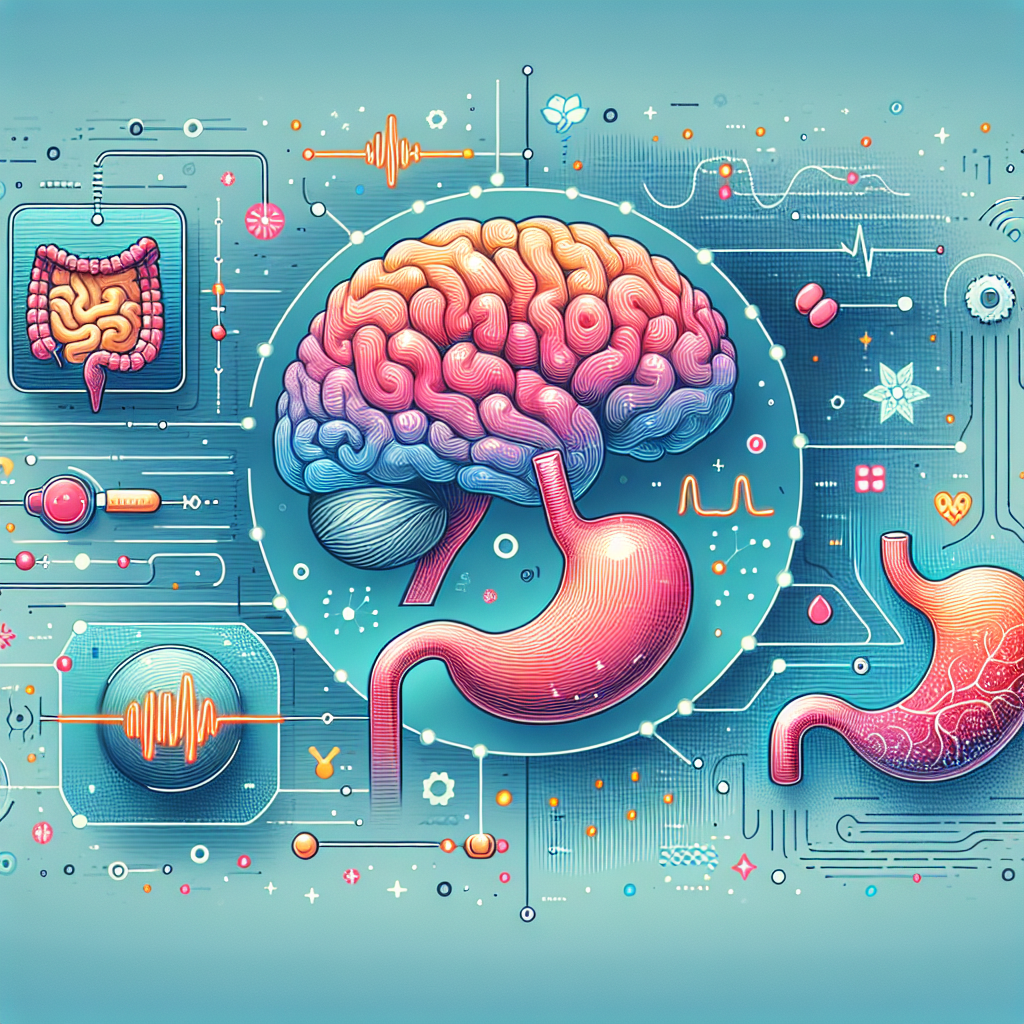
Cognitive Eating: How to Retrain Your Brain to Recognize True Hunger
In today’s fast-paced and digitally driven world, it’s easy to disconnect from your body’s natural hunger signals. Many people eat simply because the clock says it’s time—not because they are physically hungry. This gap between genuine hunger and habitual snacking often leads to overeating, poor food choices, and a complicated emotional relationship with food.
That’s where the practice of cognitive eating comes in. Unlike strict diets, cognitive eating focuses on aligning your thoughts with your body’s needs to create a healthier and more mindful approach to eating.
What Is Cognitive Eating and Why Does It Matter?
Cognitive eating uses principles of psychology and mindfulness to promote purposeful decisions about food. The approach urges us to ask: “Why am I eating?” Is it true hunger, emotion, or just routine?
While similar to intuitive eating, cognitive eating places more importance on identifying and changing the mental patterns behind eating behaviors. Dr. Susan Albers, a psychologist at the Cleveland Clinic, explains, “Changing the way we think about food is the foundation of changing how we eat. Identifying emotional triggers is crucial.”
By shifting away from automatic, emotionally-driven eating toward conscious eating, people can enjoy better physical health, more emotional clarity, and empowered food choices.
Why We Lose Touch with Hunger Signals
It’s important to understand why many of us struggle to connect with genuine hunger cues. Several factors contribute to this disconnect:
Cultural Eating Habits
We tend to follow preset meal times without checking in with our bodies. Many people eat breakfast at 8 AM or lunch at 12 PM automatically—regardless of hunger levels.
Emotional Eating Patterns
Food often becomes a coping mechanism. According to the American Psychological Association, 27% of adults say they eat to manage stress. Emotional situations like boredom, sadness, or anxiety can prompt non-hunger-driven snacking.
Eating While Distracted
Multitasking during meals—like watching TV or using your phone—blunts your brain’s ability to recognize fullness. In fact, research suggests distracted eating can lead to consuming up to 25% more food compared to mindful eating.
24/7 Food Accessibility
From vending machines to food delivery services, we are constantly surrounded by convenient eating options. This endless access makes it easier to eat out of boredom rather than true hunger.
Physical Hunger vs. Emotional Hunger: Know the Difference
Before practicing cognitive eating, it helps to understand how physical hunger differs from emotional cravings.
Signs of Physical Hunger
– Builds gradually over time
– Accompanied by physical symptoms like a growling stomach
– Disappears when you’re full
– Doesn’t favor a specific comfort food
– Leaves no feeling of guilt
Signs of Emotional Hunger
– Strikes suddenly, often triggered by stress or emotions
– Craves specific foods such as chocolate, chips, or sweets
– Continues even when full
– Often results in guilt or regret
– Isn’t truly satisfied by food
Example: Let’s say you crave ice cream following a difficult day. If there are no physical hunger signals—just a sudden urge for comfort—that’s likely emotional eating.
How to Reconnect with Real Hunger: 5 Practical Strategies
The good news? You can retrain your body and mind to tune into real hunger signals using the following techniques:
1. Perform Hunger Check-Ins
Before eating, pause and ask yourself, “Am I really hungry?” Use a 1-to-10 hunger scale. A score above 6 often indicates true hunger, while anything below might suggest eating from habit or emotion.
Tip: Set a simple reminder on your phone before meals to develop this habit.
2. Keep a Hunger and Mood Journal
Track the following elements:
– When and what you eat
– How hungry you felt before and after eating
– Your emotional state at the time
This journal can reveal patterns—like snacking every afternoon during work stress—that help you break cycles of emotional eating.
Apps like YouAte and MyFitnessPal offer helpful tracking features.
3. Eliminate Mealtime Distractions
Multitasking during meals harms your ability to feel full. Instead, make meals intentional. Sit down, slow your pace, and pay attention to flavors, textures, and aromas. This boosts satisfaction and supports mindful digestion.
4. Slow Down Your Eating
It takes about 20 minutes for your brain to register fullness. Eating slowly reduces the risk of overeating.
Here’s how to pace yourself:
– Put down utensils between bites
– Chew thoroughly—aim for 20 to 30 chews per bite
– Sip water between bites
A slower eating pace also supports digestion and can ease bloating and heartburn.
5. Reframe Your Thoughts Around Food
Avoid labeling foods as “bad” or “treats.” That mindset creates guilt and increases emotional eating.
Instead, consider all foods a part of a balanced diet. Ask constructive questions like, “What am I really craving?” or “What emotion is driving this choice?”
Need support? Professional help is just a click away. Explore emotional health and wellness tools at edrugstore.com.
How to Overcome Common Challenges of Cognitive Eating
Adjusting your mindset and eating habits doesn’t happen overnight. Here are ways to handle common obstacles:
Persistent Cravings
Pause before giving in. Set a 10-minute timer. Often, cravings will lessen or pass. If hunger persists, eat mindfully and slowly.
Fear of Losing Control
Some may believe that listening to their hunger will lead to overeating. However, research shows that honoring hunger actually leads to more natural appetite regulation and improved self-trust.
Dealing with Emotional Triggers
Stressful situations can reignite emotional eating urges. Prepare a list of non-food alternatives—like walking, journaling, or calling a friend—to help manage those moments.
The Benefits of Cognitive Eating
When practiced consistently, cognitive eating improves your overall health and happiness. Here are some of the proven benefits:
– Healthier relationship with food
– Decreased emotional and binge eating
– Better digestion and sustained energy
– Natural weight regulation—without extreme diets
– Boosted self-esteem and body positivity
One 2022 study published in the Journal of Eating Behaviors found that participants who practiced cognitive and mindful eating for just eight weeks showed improvements in mental health and reduced mindless eating habits.
Final Thoughts: Trust Yourself, Not the Trends
Cognitive eating is not another diet plan. It’s a sustainable approach to **eating based on your inner wisdom**, not societal rules or unrealistic expectations. By practicing awareness and kindness toward yourself, you pave the way to a healthier connection with your body and food.
Remember, perfection isn’t the goal—progress is. The next time you feel a snack urge coming on, just ask: “What am I really feeling?”
Over time, your hunger signals will become easier to interpret, and your choices more aligned with your physical and emotional needs.
Begin Your Journey Toward Healthy Eating Today
Ready to take the next step? Discover tools and expert guidance for emotional wellness and balanced living at edrugstore.com.
References
1. Robinson, E. et al. (2013). “Eating attentively: A systematic review and meta-analysis of the effect of food intake memory and awareness on eating.” American Journal of Clinical Nutrition.
2. Roura, E. et al. (2018). “Digestion and Mindful Eating.” Nutrition Reviews.
3. Hawks, S. et al. (2004). “Intuitive Eating and the Emotional Wellbeing of College Students.” Journal of American College Health.
4. Kristeller, J.L. & Wolever, R. (2011). “Mindfulness-Based Eating Awareness Training (MB-EAT) for Binge Eating: A Randomized Clinical Trial.” Eating Disorders Journal.
Related posts

How Strategic Cheat Meals Can Jumpstart Progress When Weight Loss Plateaus Threaten Your Motivation
Unlock the secret to overcoming weight loss plateaus with strategic cheat meals! Discover how indulging mindfully can reignite your motivation and boost your progress. Learn to transform those guilty pleasures into powerful tools that keep you on track and excited about your journey. Embrace balance, satisfaction, and success like never before!

Unlocking the Weekend Eating Paradox: Why Cheat Meals Can Boost Fat Loss Without Derailing Your Diet
Struggling to stick to your diet over the weekend? Discover the secret to enjoying guilt-free cheat meals while accelerating fat loss! “Unlocking the Weekend Eating Paradox” reveals how strategic indulgences can revitalize your metabolism and amplify results without derailing your progress. Ready to transform your weekends into a powerful weight-loss ally? Dive in now!
