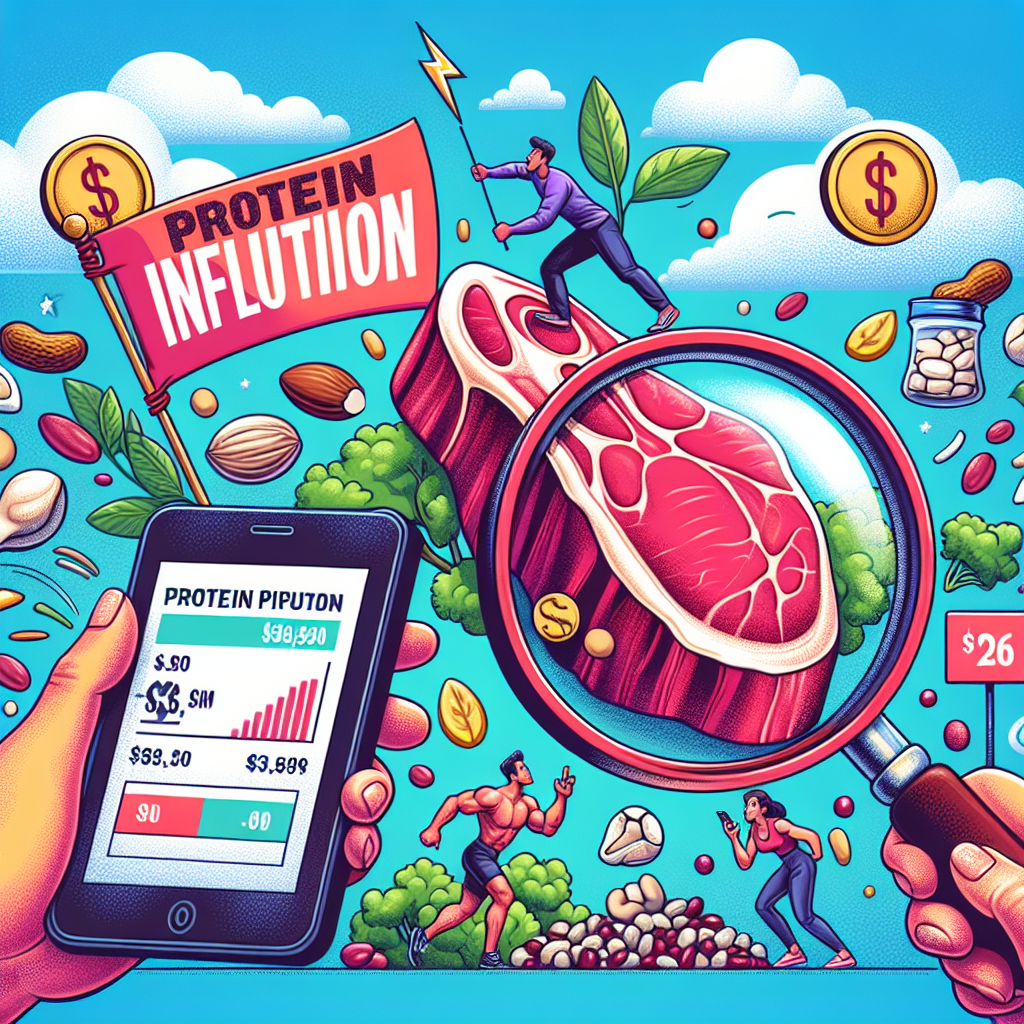
Protein Inflation: Rising Costs and How Consumers Are Re-Sourcing Nutrition
Why Protein Prices Are Climbing Fast
In recent years, rising grocery prices have significantly changed how Americans shop, eat, and think about nutrition. One of the most noticeable trends is the sharp increase in the cost of all types of protein. Whether animal-based or plant-based, nearly every category has become more expensive. This phenomenon—known as protein inflation—is driving households to rethink their diets and meal planning.
According to the U.S. Bureau of Labor Statistics, the prices for meats, poultry, fish, and eggs rose by over 18% from January 2021 to December 2023. As costs go up, consumer habits, industry innovations, and marketing strategies are shifting quickly to meet new demands.
A Closer Look at Protein Costs
Getting enough protein is becoming a growing challenge—especially for those relying on traditional animal sources. Beef prices, for example, spiked by nearly 20% between 2021 and 2023. Several factors are contributing to this rise, including:
– Climate disruptions such as droughts and wildfires affecting cattle feed
– Ongoing supply chain delays
– Increased prices for key feed ingredients like corn and soy
– Higher fuel and transportation costs
Dr. Sylvia Matthews, a food economist at Cornell University, explains, “When feed and fuel prices rise at the same time, protein inflation is unavoidable. This creates a ripple effect throughout the entire food system.”
Even plant-based proteins haven’t been immune. Tofu prices have risen by up to 10% in some areas, and meat alternatives like Beyond Meat are also getting more expensive due to supply chain issues and complex production processes.
Food industry analyst Mark Densley adds, “Alternative proteins were once considered cheaper, but rising costs have made them just as pricey as traditional meats.”
Major Factors Driving the Trend
Several key elements are pushing up protein prices:
– Extreme weather damaging crops and livestock
– Ongoing labor shortages in meatpacking and distribution
– Increased global demand for protein-rich foods
As a result, low-income families face greater challenges. In fact, over 40% of U.S. households earning under $50,000 a year say they’ve reduced meat consumption due to high prices, according to Pew Research.
How Consumers Are Adapting Their Diets
While cutting back on meat, consumers are finding creative ways to get the nutrition they need. Here are some of the main lifestyle shifts taking place:
Meat Reduction and Flexitarian Eating
Instead of fully giving up meat, many people are adopting a flexitarian lifestyle. This involves eating less meat without completely removing it from their diets. For example, swapping out ground beef for lentils in tacos or using chickpeas in curry dishes is becoming more common.
“Beans are one of the most affordable protein sources,” says registered dietitian Ana Torres. “At roughly 15 cents per serving, they’re an unbeatable option for both cost and nutrition.”
The Return of Home Cooking
More consumers are cooking protein-rich meals at home, which can be 30% to 50% cheaper than eating out. Preparing dishes like stir-fried chicken, lentil pasta, or egg-based meals allows families to stretch their budgets further. Batch cooking and using leftovers smartly can make a big difference, turning a single protein source into multiple meals.
Smarter Snacking Strategies
High-protein snacks are helping people stay full while staying on budget. Affordable options like Greek yogurt, cottage cheese, roasted chickpeas, or nut butter on whole-grain toast are gaining popularity. For example, Greek yogurt provides around 15 grams of protein per serving and is available for as little as $1.
Quick snacks like a boiled egg paired with fruit are not only filling but also easy on the wallet.
Exploring Affordable Alternatives
Budget-conscious consumers are turning to new protein sources that are convenient, nutritious, and budget-friendly. Leading the list are:
– Chickpeas and lentils (often less than $1 per pound)
– Tofu and tempeh (rich in iron and protein)
– Sunflower seeds and peanut butter
– Mycoprotein (found in products like Quorn)
– Insect protein, such as cricket flour, which is becoming more common in fitness snacks
Although insect-based proteins are still niche, they are gaining interest due to their environmental benefits and high protein density.
Consumers are also exploring online platforms for tailored nutrition solutions. Websites like edrugstore.com offer protein-rich, gluten-free, and lactose-free supplements ideal for those with dietary limitations.
How Retailers Are Meeting New Needs
Grocery chains are stepping up with cost-effective protein options through store-brand products, especially in the plant-based category. These products are providing consumers with more affordable alternatives to pricier national brands.
Digital tools are also playing an important role. Retailers are creating online shopping guides, recipe planners, and cooking tutorials to help consumers prepare high-protein meals at home—without overspending.
Highlighted examples include:
– Walmart’s “Budget Meals” offering recipes under $5 per serving
– Kroger’s Simple Truth line of affordable plant-based protein items
– Sprouts’ app featuring flexible, meatless meal planning tips
Simple Budget Balancing Tips for Nutrition
Eating high-protein meals on a budget is possible with smart planning. Try these tips:
– Buy in Bulk: Purchase value packs of beans, eggs, chicken thighs, or tofu
– Mix Proteins: Combine small amounts of beef with rice, quinoa, or lentils to stretch servings
– Focus on Whole Foods: Use ingredients like whole lentils and fresh eggs instead of processed meals
– Plan Meatless Days: Cook vegetarian meals once or twice per week to lower your grocery bill
– Cook with Eggs: As a complete protein, eggs cost less than $2 per dozen and are perfect for low-cost meals like shakshuka, egg fried rice, or vegetable omelets
The Future of Protein Is Changing
The way we consume protein is in the middle of a transformation. Customers are looking for more than just filling options—they want foods that offer value, sustainability, and ethical sourcing. Traditional meat will always have a place, but blended diets that include plant-based and alternative proteins are here to stay.
According to a 2023 McKinsey report, global demand for plant-based proteins is projected to grow by 18% each year through 2027. Lab-grown and precision-fermented proteins are also gaining momentum, bringing more healthy and affordable choices to the market.
“This change isn’t just a passing trend—it reflects a permanent shift,” says food futurist Dana Liu. “In the next five years, most grocery carts will hold a combination of meat, plant-based, and fermented proteins—and that’s a smart evolution.”
Conclusion: A New Era in How We Nourish Ourselves
Protein inflation is real, and it’s transforming our dietary habits. But with every challenge comes innovation. From substituting beef with beans to leveraging online cooking tools, today’s consumers are finding smart ways to stay healthy without breaking the bank.
The future of food is flexible, creative, and adaptive. As costs continue to rise, families across the country are rewriting the rules of mealtime—and discovering that with a bit of planning, nutritious eating doesn’t have to be expensive.
References
– U.S. Bureau of Labor Statistics. (2024). Consumer Price Index Summary
– USDA Economic Research Service. (2023). Food Price Outlook
– Pew Research Center. (2023). How Rising Food Prices Are Affecting American Households
– McKinsey & Company. (2023). The Future of Protein: Plant-Based and Alternative Protein Trends
– edrugstore.com. (2024). Nutritional Supplements for Active Lifestyles – https://www.edrugstore.com
Related posts

How Strategic Cheat Meals Can Jumpstart Progress When Weight Loss Plateaus Threaten Your Motivation
Unlock the secret to overcoming weight loss plateaus with strategic cheat meals! Discover how indulging mindfully can reignite your motivation and boost your progress. Learn to transform those guilty pleasures into powerful tools that keep you on track and excited about your journey. Embrace balance, satisfaction, and success like never before!

Unlocking the Weekend Eating Paradox: Why Cheat Meals Can Boost Fat Loss Without Derailing Your Diet
Struggling to stick to your diet over the weekend? Discover the secret to enjoying guilt-free cheat meals while accelerating fat loss! “Unlocking the Weekend Eating Paradox” reveals how strategic indulgences can revitalize your metabolism and amplify results without derailing your progress. Ready to transform your weekends into a powerful weight-loss ally? Dive in now!
