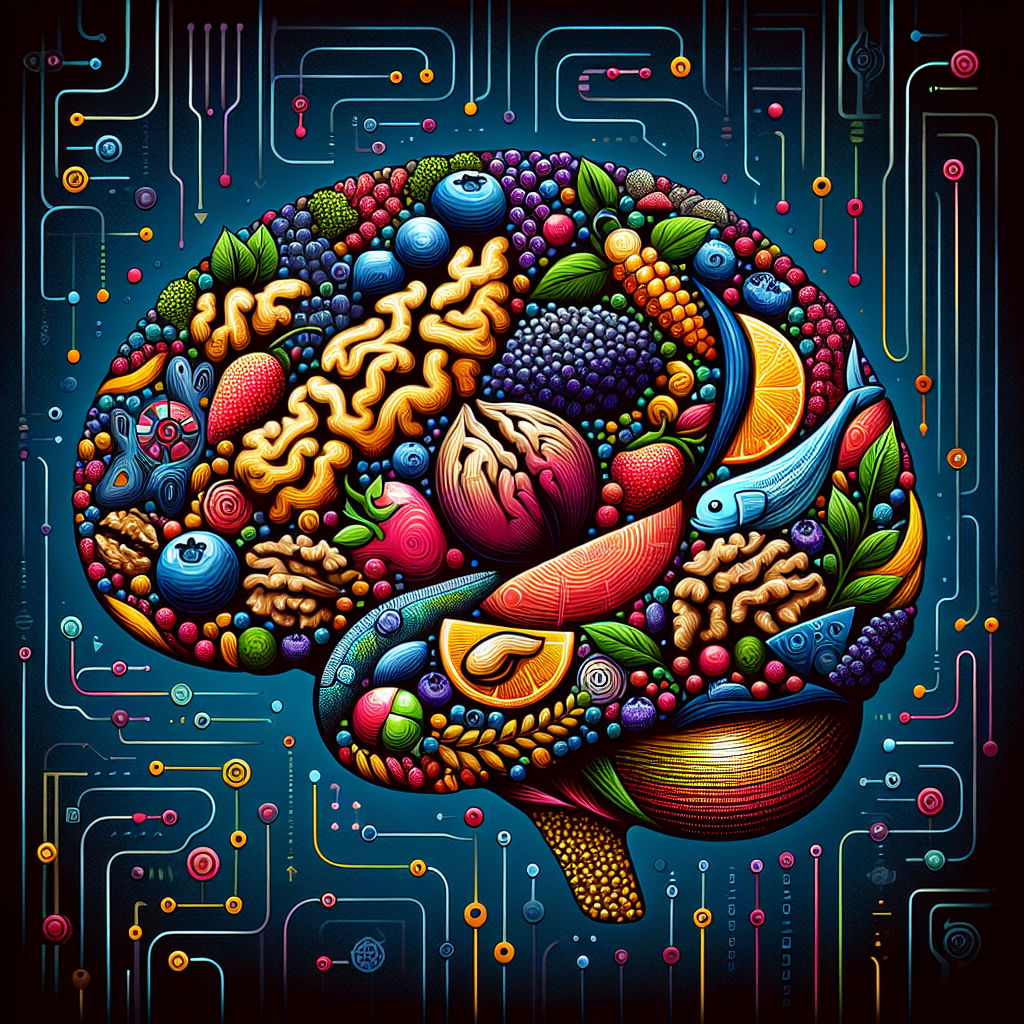
Unlocking Mental Clarity Through Neuro-Nutrition
In today’s fast-moving digital world, maintaining peak mental clarity is essential. Whether you’re a student tackling finals, a busy professional juggling multiple tasks, or simply aiming to preserve cognitive function as you age, brain health is a cornerstone of overall well-being. That’s where neuro-nutrition comes in—a scientific approach to eating that supports cognitive performance, strengthens memory accuracy, and boosts neural speed naturally.
What Is Neuro-Nutrition?
Neuro-nutrition is a specialized area of nutritional neuroscience that examines how food influences the brain’s daily functions, including memory, focus, mood, and mental energy.
Incredibly, about 60% of the human brain is fat, most of which is comprised of omega-3 fatty acids. This means the food you consume directly affects the structure and efficiency of your brain cells.
According to Dr. Lisa Mosconi, neuroscientist and author of Brain Food: The Surprising Science of Eating for Cognitive Power, “Your brain needs high-quality fuel to operate at its best, and that fuel comes from your food choices.”
Unlike fad diets that often compromise mental health in pursuit of quick weight loss, neuro-nutrition focuses on whole, nutrient-dense foods that support neurotransmitter balance, reduce inflammation, and promote cell repair.
The Importance of Neural Speed and Memory Accuracy
Neural speed refers to how quickly your brain can receive, interpret, and respond to information. Enhanced neural processing helps you think faster, maintain longer attention spans, and manage multiple tasks at once. Meanwhile, memory accuracy is the reliability with which you store and retrieve information—vital for everyone from students to retirees.
Surprisingly, research from the National Institutes of Health shows that cognitive processing speed can begin to decline as early as a person’s 20s.
The good news? A well-designed, nutrient-rich diet can slow this decline and, in many cases, reverse minor cognitive impairments.
Dr. Andrew Huberman, a neuroscientist at Stanford University, notes, “Every food choice you make either supports or weakens your brain. Proper nutrition helps maintain the protective myelin sheath around neurons, enabling quicker communication between brain cells.”
Top Brain-Boosting Foods for Cognitive Health
Below are some of the most effective neuro-nutrient-rich foods proven to support memory, focus, and brain speed—with ideas on how to easily include them in your meals.
Fatty Fish
Fatty fish like salmon, sardines, and trout are among the best dietary sources of omega-3 fatty acids—critical components for brain cell structure and signaling. A specific type of omega-3 called DHA forms the majority of the omega-3 content in the brain.
A study published in the American Journal of Clinical Nutrition found that individuals who consumed fish weekly had a 20% reduced risk of developing Alzheimer’s disease.
Tip: Aim for two 3.5-ounce servings of fatty fish each week, or consider a high-quality omega-3 supplement if needed.
Blueberries
Often dubbed “brain berries,” blueberries are rich in antioxidants such as anthocyanins and flavonoids, which protect the brain from oxidative stress and inflammation.
Research from Tufts University and the USDA Human Nutrition Research Center indicates that regular blueberry consumption enhances memory and slows the onset of cognitive decline associated with aging.
Try this: Add a handful of fresh or frozen blueberries to your morning oatmeal or yogurt for steady blood sugar and mental sharpness.
Dark Leafy Greens
Spinach, kale, and Swiss chard are nutrient-dense powerhouses that supply folate, vitamin K, and lutein—nutrients vital for neurotransmitter function, brain cell signaling, and antioxidant defense.
According to the Rush Memory and Aging Project, individuals who ate one to two servings of leafy greens daily showed cognitive performance equivalent to someone 11 years younger.
Example: Create a salad with kale, avocado, walnuts, and a lemon-olive oil vinaigrette to supercharge your midday meal.
Nuts and Seeds
Walnuts, almonds, pumpkin seeds, and chia seeds are loaded with healthy fats, vitamin E, zinc, and magnesium. These nutrients are particularly effective at supporting verbal memory and improving concentration.
Vitamin E is especially important as it protects neurons from oxidative damage and slows age-related cognitive decline.
Snack Tip: Make your own trail mix with almonds, walnuts, pumpkin seeds, and a few pieces of 70% dark chocolate for a satisfying, brain-boosting snack.
Eggs
Eggs are a fantastic source of choline, a nutrient essential for creating acetylcholine—a neurotransmitter involved in memory and learning. They also contain B vitamins like B6 and B12, critical for brain energy metabolism.
Breakfast Idea: Start your morning with scrambled eggs and spinach for a brain-friendly meal that keeps you energized and focused.
Turmeric
This vibrant yellow spice contains curcumin, a compound with anti-inflammatory and antioxidant effects that can cross the blood-brain barrier.
Studies published in the journal Neuron indicate that curcumin boosts levels of brain-derived neurotrophic factor (BDNF), promoting the growth of new neurons and improving memory.
How to use it: Stir turmeric into curries, smoothies, or prepare a soothing turmeric almond milk latte.
Enhancing Your Brain with Healthy Habits
Neuro-nutrition lays the groundwork, but combining it with healthy lifestyle habits can amplify your results.
Hydration Matters
Even mild dehydration—just a 2% fluid loss—can impact short-term memory, concentration, and mood. Aim for at least eight cups of water daily to keep your brain functioning at its best.
Prioritize Quality Sleep
During deep sleep, your brain clears out toxins and consolidates new memories. Adults should aim for 7 to 9 hours of uninterrupted sleep each night.
Exercise Regularly
Aerobic activities like brisk walking, swimming, or cycling are proven to boost hippocampal volume, which enhances memory and boosts overall cognitive health.
Benchmark: Follow the American Heart Association’s guidance of 150 minutes of moderate aerobic activity per week.
Explore Mindfulness and Meditation
Practices such as mindfulness, deep breathing, and meditation can increase gray matter density in areas of the brain linked to memory, attention, and emotional regulation.
A Sample Day of Brain-Boosting Meals
Here’s how to nourish your brain from sunrise to sunset with meals that prioritize neuro-nutritional balance:
Breakfast: Scrambled eggs with spinach, whole-grain toast, and fresh blueberries
Morning Snack: Handful of walnuts with a square of dark chocolate
Lunch: Grilled salmon salad with kale, avocado, and olive oil-lemon dressing
Afternoon Snack: Turmeric latte made with warm almond milk
Dinner: Quinoa bowl with roasted broccoli, chickpeas, and pumpkin seeds
Final Thoughts: Fuel Your Brain, Transform Your Life
Think of your brain as a high-performance engine. To function at its full potential, it needs superior fuel. Incorporating neuro-nutrient-rich foods into your daily diet can dramatically enhance your mental clarity, memory retention, and long-term brain health.
But neuro-nutrition isn’t just about warding off cognitive decline—it’s a way to build lasting mental resilience and productivity. Every food decision you make is a step toward a sharper, more focused version of yourself.
Make brain health a lifelong habit. Start today—one smart bite at a time.
Stay Informed and Stay Sharp
Looking for more science-backed strategies and recipes to elevate your cognitive performance?
Subscribe to our newsletter for weekly tips on foods, supplements, and lifestyle habits that optimize your brain health at every age. Your future self will thank you.
References
– Harvard Health Publishing. “Foods linked to better brainpower.” https://www.health.harvard.edu/mind-and-mood/foods-linked-to-better-brainpower
– Mosconi, L. Brain Food: The Surprising Science of Eating for Cognitive Power. Avery, 2018.
– American Journal of Clinical Nutrition. “Fish Consumption and Cognitive Decline.” https://academic.oup.com/ajcn/article/85/4/929/4633269
– USDA Human Nutrition Research Center on Aging. Blueberries and Reversal of Cognitive Aging. https://www.ars.usda.gov/ARSUserFiles/80400525/pdf/16_2/16-2.pdf
– Neuron Journal. “BDNF and Cognitive Flexibility.” https://www.cell.com/neuron/fulltext/S0896-6273(16)00079-6
– Rush University Medical Center. MIND Diet Study. https://www.rush.edu/news/press-releases/mind-diet-may-cut-alzheimers-risk-half
Looking for brain-enhancing supplements? Explore edrugstore.com’s cognitive health collection to support your neuro-nutritional journey and achieve your mental performance goals.
Related posts

How Strategic Cheat Meals Can Jumpstart Progress When Weight Loss Plateaus Threaten Your Motivation
Unlock the secret to overcoming weight loss plateaus with strategic cheat meals! Discover how indulging mindfully can reignite your motivation and boost your progress. Learn to transform those guilty pleasures into powerful tools that keep you on track and excited about your journey. Embrace balance, satisfaction, and success like never before!

Unlocking the Weekend Eating Paradox: Why Cheat Meals Can Boost Fat Loss Without Derailing Your Diet
Struggling to stick to your diet over the weekend? Discover the secret to enjoying guilt-free cheat meals while accelerating fat loss! “Unlocking the Weekend Eating Paradox” reveals how strategic indulgences can revitalize your metabolism and amplify results without derailing your progress. Ready to transform your weekends into a powerful weight-loss ally? Dive in now!
