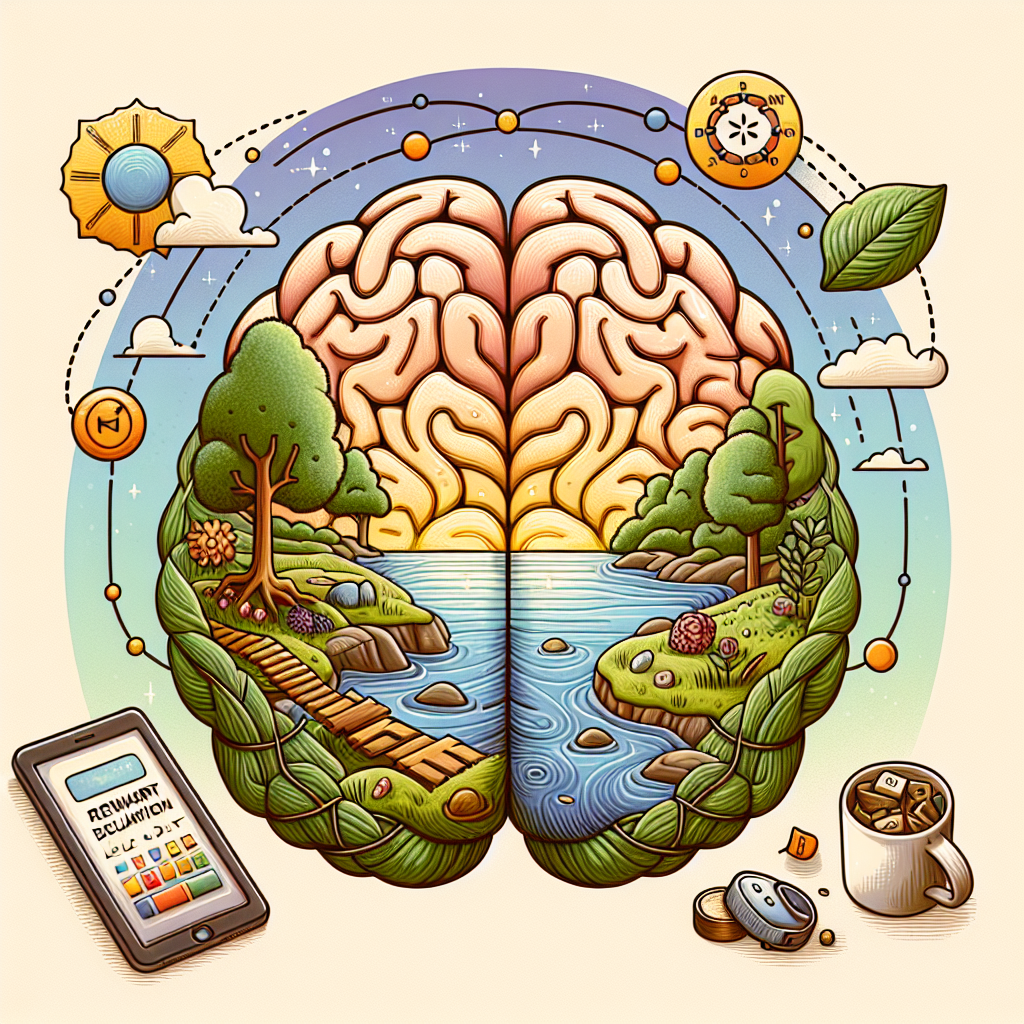
Rediscovering Joy and Balance: Welcome to the Digital Dopamine Detox
In today’s hyper-connected world, the power of instant gratification is hard to ignore. With a swipe or tap, we unlock quick dopamine hits from social media, streaming services, and gaming apps. While these rapid stimuli offer convenience, they can disrupt our brain’s natural chemistry, especially how we regulate appetite, motivation, and daily enjoyment.
A 2022 study by Pew Research Center reveals that 46% of teens feel “addicted” to their smartphones. This constant need for stimulation leads to what experts call “reward hijacking” — where artificial sources of pleasure override real-life joys like nutritious food, movement, and social connection.
This is the purpose of the Digital Dopamine Detox Diet — a practical, science-backed approach designed to restore healthy dopamine balance and rekindle our connection with meaningful, slower pleasures, such as nature, creativity, and mindful eating.
Understanding Dopamine: Your Brain’s Built-In Motivator
Dopamine is a neurotransmitter that plays a key role in motivation, learning, and habit formation. According to Dr. Anna Lembke, psychiatrist and author of Dopamine Nation, “Dopamine is essential for motivation, learning, and reinforcing habits.”
The way we stimulate dopamine determines the quality of its effect. Natural activities like exercising, cooking, or stretching promote a slow, steady release. On the other hand, excessive screen time triggers short, sharp spikes — such as when scrolling social media or binge-watching videos.
Over time, the brain adapts by raising its dopamine tolerance, a phenomenon known as “dopamine desensitization.” This can lead to:
– Increased cravings for high-sugar or highly processed foods
– Reduced mental clarity and persistent fatigue
– Poor sleep patterns and irritability
– A diminished sense of satisfaction in everyday life
Implementing a structured detox — like the Digital Dopamine Detox Diet — gives your brain the chance to reset and find balance again.
What is the Digital Dopamine Detox Diet?
The Digital Dopamine Detox Diet is not about eliminating all technology. Instead, it’s a phased lifestyle overhaul that replaces high-stimulation habits with slower, rewarding experiences that restore dopamine sensitivity and improve appetite regulation.
It includes three progressive steps:
1. Digital Detox Phase – Reduce exposure to highly stimulating digital media.
2. Re-Regulation Phase – Gradually reintroduce dopamine through real-world enrichment.
3. Appetite Reconnection – Align hunger cues with intentional, mindful eating.
Let’s explore each of these stages in more detail.
Phase One: Digital Detox – Press Pause on Instant Gratification
During this phase, the focus shifts toward identifying overstimulation sources and actively limiting screen time. Try scheduling digital-free hours, such as one full day a week or tech-free evenings after 8 p.m.
Studies show that a 24-hour break from smartphones can reduce stress and improve focus by lowering cortisol levels.
Avoid or significantly reduce activities such as:
– Endless scrolling through apps like Instagram or TikTok
– On-demand video consumption on platforms like YouTube or Netflix
– Competitive mobile games
– Constant text messages and intrusive notifications
Replace them with grounding behaviors such as:
– Journaling on paper
– Taking walks in nature without digital interruptions
– Trying a new recipe from scratch
– Reading a physical book
Initial discomfort, like tiredness or irritability, is common. These withdrawal symptoms suggest your brain is recalibrating its dopamine threshold. Be patient — benefits emerge quickly.
Phase Two: Re-Regulate Reward – Rediscover Simple Pleasures
With digital noise dialed down, your brain becomes more receptive to feeling joy in ordinary moments. This phase helps retrain your reward system through deliberate, richly gratifying experiences.
Effective ways to naturally boost dopamine include:
– Exercise: A 20-minute walk per day can increase dopamine receptor sensitivity and reduce mental fog.
– Time in Nature: Aim for at least 120 minutes outdoors per week. Sunlight and fresh air can regulate your circadian rhythm and improve mood.
– Quality Sleep: Set regular sleep and wake times. Avoid screens at least one hour before bedtime to enhance sleep quality.
– Creative Hobbies: Engage in painting, music, or writing. These activities stimulate flow — a deep, rewarding state for the brain.
– In-Person Socializing: Research reveals that face-to-face interactions can generate up to 10 times more dopamine than digital communication.
As your dopamine balance improves, cravings fade, and natural motivation begins to return — without needing overstimulating inputs.
Phase Three: Appetite Reconnection – Mindful Eating in a Digital-Free Zone
Digital distractions not only steal focus but also impair your ability to recognize hunger and fullness. A study by University of Liverpool researchers found that distracted eating may increase caloric intake by 15%.
To reconnect with your appetite, incorporate these mindful practices:
– Eat at a table free from screens — no phones, TVs, or laptops.
– Pause during your meal to assess fullness.
– Choose fresh ingredients and cook meals at home to engage your senses.
– Focus on whole-food nutrition — abundant vegetables, lean proteins, and whole grains — for long-lasting dopamine support.
Many individuals report improved digestion, fewer sugar cravings, and enhanced emotional regulation within just one week of screen-free meals.
For additional help in managing dopamine-related challenges like attention or mood disorders, explore personalized treatment options at edrugstore.com provided by licensed healthcare professionals.
Final Thoughts: Step Away From the Screen and Back Into Life
The Digital Dopamine Detox method is not about restriction — it’s about regaining clarity, presence, and fulfillment. As Dr. Cal Newport, author of Digital Minimalism, puts it: “Technological overload is not progress. Real progress means focusing your attention on what matters.”
By making space for boredom, slowness, and silence, you teach your brain to embrace simpler pleasures. This rejuvenates your mind, energizes your body, and strengthens your connection between the gut and brain.
Start Your Detox Journey Today
Begin with something simple: try a 24-hour digital fast this weekend. Invite a friend, cook a tech-free dinner, and notice how it makes you feel. You may discover that joy doesn’t come from pixels — but from presence.
Ready to reset your brain, rewire your habits, and reclaim your life?
REBOOT. REWIRE. RECLAIM.
References
1. Pew Research Center (2022). Teens, Social Media and Technology. Retrieved from pewresearch.org
2. Lembke, A. (2021). Dopamine Nation. Dutton, Penguin Random House
3. Robinson, M., & Berridge, K. (2008). The Incentive Sensitization Theory of Addiction. Brain Research Reviews
4. Hunter, J., et al. (2019). The Impact of Smartphone Use on Attention and Stress. Computers in Human Behavior
5. Meeusen, R., & De Meirleir, K. (1995). Exercise and Brain Neurotransmission. Sports Medicine
6. White, M.P., et al. (2019). Spending at least 120 minutes a week in nature is associated with good health and well-being. Nature Scientific Reports
7. Lieberman, M. (2013). Social: Why Our Brains Are Wired to Connect. Crown
8. Higgs, S., et al. (2012). The effect of distracted eating on subsequent food intake. American Journal of Clinical Nutrition
9. Newport, C. (2019). Digital Minimalism: Choosing a Focused Life in a Noisy World. Portfolio, Penguin
For more tools and resources to support dopamine balance, visit edrugstore.com for access to licensed telemedicine support and customized health solutions.
Related posts

How Strategic Cheat Meals Can Jumpstart Progress When Weight Loss Plateaus Threaten Your Motivation
Unlock the secret to overcoming weight loss plateaus with strategic cheat meals! Discover how indulging mindfully can reignite your motivation and boost your progress. Learn to transform those guilty pleasures into powerful tools that keep you on track and excited about your journey. Embrace balance, satisfaction, and success like never before!
Unlocking the Weekend Eating Paradox: Why Cheat Meals Can Boost Fat Loss Without Derailing Your Diet
Struggling to stick to your diet over the weekend? Discover the secret to enjoying guilt-free cheat meals while accelerating fat loss! “Unlocking the Weekend Eating Paradox” reveals how strategic indulgences can revitalize your metabolism and amplify results without derailing your progress. Ready to transform your weekends into a powerful weight-loss ally? Dive in now!
