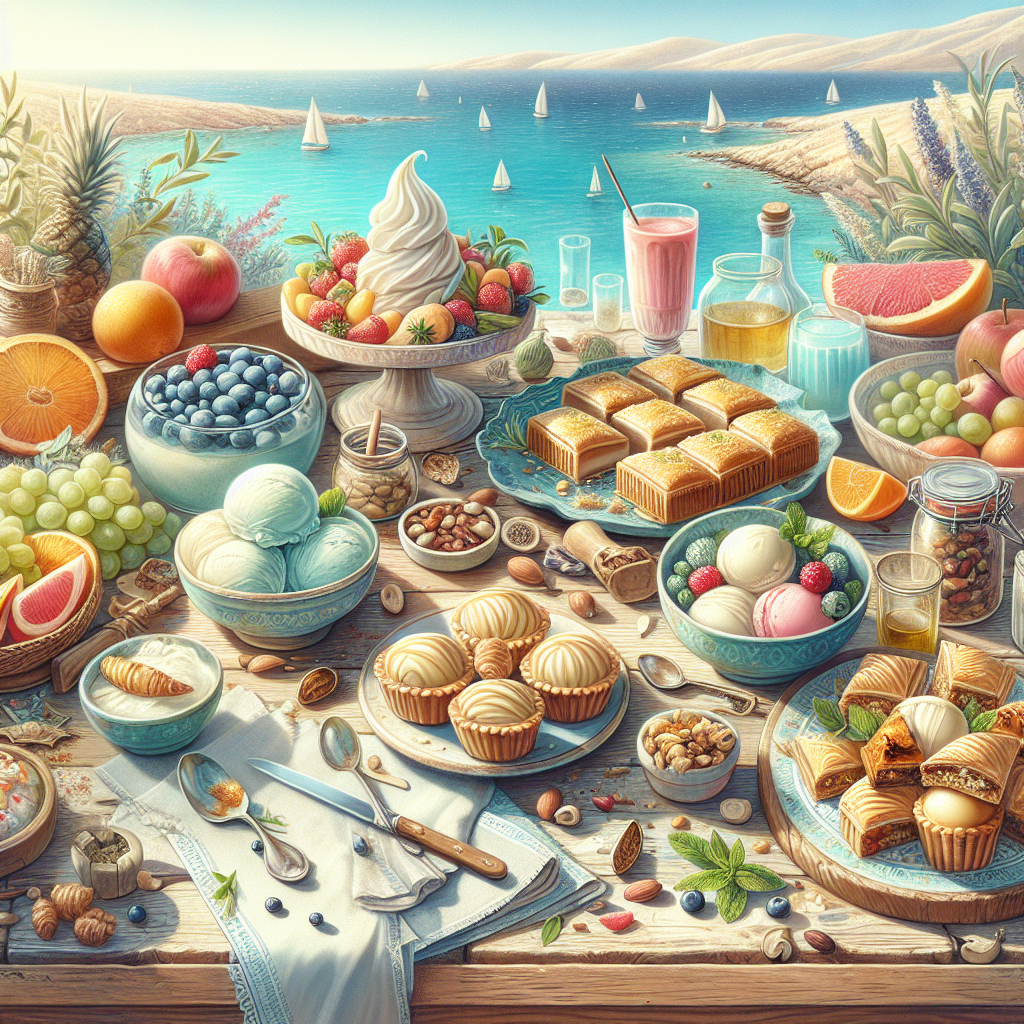
The Mediterranean Dessert Secrets You’ve Never Heard (But Should Start Following)
When people think of Mediterranean cuisine, they usually imagine fresh olive oil, colorful vegetables, grilled meats, and crisp white wine. But hidden in the background is one of the region’s best-kept secrets: dessert. Though often overshadowed by the Mediterranean’s health-centric main dishes, traditional desserts are a masterclass in balance, flavor, and heritage.
These sweet traditions emphasize natural ingredients, complex textures, and bold flavors—without the heavy use of processed sugars. According to a 2021 study published in Nutrients, traditional Mediterranean diets help reduce the risk of chronic illnesses, thanks in part to how desserts are approached: minimally processed and moderately sweet.
If your idea of Mediterranean sweets starts and ends with boxed baklava or store-bought panna cotta, it’s time you explored the real, time-tested rules of dessert from this region.
Natural Sweetness Takes the Lead
Traditional Mediterranean desserts are known for using fruit sugars and natural sweeteners instead of heavily relying on refined sugar. Think dates, figs, oranges, fresh grapes, and unprocessed honey. These ingredients heighten flavor naturally while offering nutritional benefits.
Dr. Sofia Antonopoulos, a registered dietitian and Mediterranean nutrition researcher, explains: “In traditional Greek and Levantine homes, honey or carob syrup are primary sweeteners. Sugar is rarely the center of the dish—it supports, not dominates.”
For example, Tunisian makroud (date-filled semolina pastry) or Greek ‘glyka tou koutaliou’ (fruit preserves) derive their sweetness directly from nature. Even a traditional baklava is drenched in honey-citrus syrup instead of corn-syrup-laden sugar.
Pro Tip: Choose recipes or store-bought options labeled as “honey-sweetened” or “fruit-forward.” Look for authentic Mediterranean desserts high in natural fruit content and low in added sugar.
Texture Turns Dessert into an Experience
In Mediterranean sweets, texture is as critical as taste. A delicate custard, a crunchy nut, or flaky crust isn’t accidental—it’s crucial. These desserts excite with contrast rather than uniformity.
Spanish crema catalana offers a burnt-sugar crust over custard, while basbousa merges nutty chewiness with syrupy tenderness. Mediterranean desserts often unite:
– Crunchy elements like pistachios and almonds
– Smooth creams and puddings
– Paper-thin pastry layers such as phyllo
Pastry chef Layla Rahimi, known for her Levantine-style desserts, says: “Texture transforms dessert into an experience. Take kunafa—you get stringiness, crispness, and creaminess all at once.”
Pro Tip: Combine creamy bases like yogurt or custard with crunchy toppings such as roasted nuts or toasted breadcrumbs to mimic authentic Med-style contrasts.
Did You Know? Chewing texture-rich desserts can increase satiety—helping you feel full and satisfied with smaller servings.
Spices Are the Soul of the Sweet
Unlike many Western desserts that rely on vanilla or chocolate, Mediterranean sweets are infused with a variety of warm, bold spices. These include cinnamon, clove, cardamom, anise, mahleb, and even black pepper.
This flavorful legacy originates from the trade-rich history of the Mediterranean and Silk Road. Consider Moroccan orange and cinnamon salad or Italian panforte rich in nutmeg and spices. Even Turkish ashure (a grain-fruit pudding) features a complex blend of aromatic notes.
A 2023 study in Food Chemistry found that many of these common Mediterranean spices carry antioxidant and anti-inflammatory properties, offering both flavor and health benefits.
Pro Tip: Spice up even your simplest desserts. A touch of cinnamon in baked fruits or a sprinkle of cardamom in rice pudding elevates flavor and aroma.
Bonus Insight: For women navigating hormonal shifts, such as during menopause, naturally spiced Mediterranean desserts can offer more satisfying and nutritious alternatives without excess sugar.
Season Before You Serve
In Mediterranean culture, seasonal eating isn’t a trend—it’s a way of life. Locals prioritize fresh, in-season produce when preparing any dish, especially dessert.
You won’t see fig pastries in January or watermelon sorbet in November. Instead:
– Summer calls for chilled yogurt with honey and nuts
– Autumn welcomes roasted chestnuts and date-stuffed cookies
Italian food historian Paolo Guarnieri explains, “Seasonal eating isn’t just traditional—it’s sensible. We eat heavier flavors in colder months and lighter ones when it’s hot.”
Pro Tip: Check your local farmer’s market and build your dessert menu around what’s fresh. Ripe, in-season fruits not only taste better but also contain peak levels of nutrients.
According to a 2022 report by the International Food Information Council, 67% of consumers who follow a seasonal diet feel more satisfied and energized.
Dessert Is a Ritual, Not a Guilty Pleasure
In contrast to Western attitudes that associate dessert with indulgence or guilt, Mediterranean cultures treat dessert as a meaningful ritual. It’s served during social gatherings, family meals, and as a sign of hospitality—not as a reward or emotional crutch.
In Turkey, lokum is served alongside strong, unfiltered coffee. In Sicily, cannoli are shared after community events. Here, dessert is about human connection, not emotional coping.
Chef Nadia El Amine of Beirut Pastries emphasizes, “Dessert is how we celebrate, not how we self-soothe. That’s why we savor it—mindfully and joyfully.”
Pro Tip: Rather than sneaking dessert in front of the TV, enjoy it with friends, after meals, or during a coffee break. Shared desserts enhance both flavor and emotional wellbeing.
Small Portions, Big Satisfaction
Forget supersized slices of cake. In the Mediterranean world, richness and complexity matter more than quantity. Tiny servings are the norm—but they’re packed with taste, texture, and aroma.
A few traditional examples:
– One square of honey-glazed baklava
– A small bowl of almond or rice pudding infused with rosewater
– Sliced dried fruit alongside a dollop of creamy yogurt
Dr. Antonopoulos elaborates, “It’s not about feeling stuffed. A small, dense dessert completes the meal without overwhelming you.”
Pro Tip: Focus on concentrated, flavor-rich ingredients like dried fruits, nuts, spice blends, and quality oils. They make small servings deeply fulfilling.
Bonus Benefit: Smaller dessert portions support cardiovascular and sexual health—especially in adults over 40. Healthy habits extend pleasure in more ways than one.
Your Mediterranean Dessert Blueprint
Ultimately, Mediterranean desserts aren’t just recipes—they are reflections of a culture where wellness, flavor, and community harmonize. From honoring ripeness to respecting balance, this philosophy creates desserts that nourish as much as they delight.
Next time you crave something sweet, don’t reach for processed confections. Try this instead:
Layer thick Greek yogurt in a small bowl, drizzle with local honey, top with crushed pistachios, and finish with a dusting of cinnamon.
You’ve just created a Mediterranean dessert rooted in tradition—and in balance.
References
1. Trichopoulou, A. et al. (2021). “Adherence to Mediterranean Diet and Risk of Chronic Disease.” Nutrients. doi:10.3390/nu13103519
2. Cassady, B.A. et al. (2009). “Chewing and Satiety: Effectiveness of texture on food intake.” Appetite. doi:10.1016/j.appet.2009.03.002
3. Jabeur, H. et al. (2023). “Functional Properties of Mediterranean Spices.” Food Chemistry. doi:10.1016/j.foodchem.2022.135655
4. International Food Information Council (2022). “Consumer Insights on Seasonal Eating and Food Satisfaction.” www.foodinsight.org
For more tips on health and wellness after 40, visit edrugstore.com—your trusted guide for living fully, confidently, and well.
Let dessert be a celebration—rich in culture, naturally sweet, and deeply satisfying.
Related posts

How Strategic Cheat Meals Can Jumpstart Progress When Weight Loss Plateaus Threaten Your Motivation
Unlock the secret to overcoming weight loss plateaus with strategic cheat meals! Discover how indulging mindfully can reignite your motivation and boost your progress. Learn to transform those guilty pleasures into powerful tools that keep you on track and excited about your journey. Embrace balance, satisfaction, and success like never before!

Unlocking the Weekend Eating Paradox: Why Cheat Meals Can Boost Fat Loss Without Derailing Your Diet
Struggling to stick to your diet over the weekend? Discover the secret to enjoying guilt-free cheat meals while accelerating fat loss! “Unlocking the Weekend Eating Paradox” reveals how strategic indulgences can revitalize your metabolism and amplify results without derailing your progress. Ready to transform your weekends into a powerful weight-loss ally? Dive in now!
