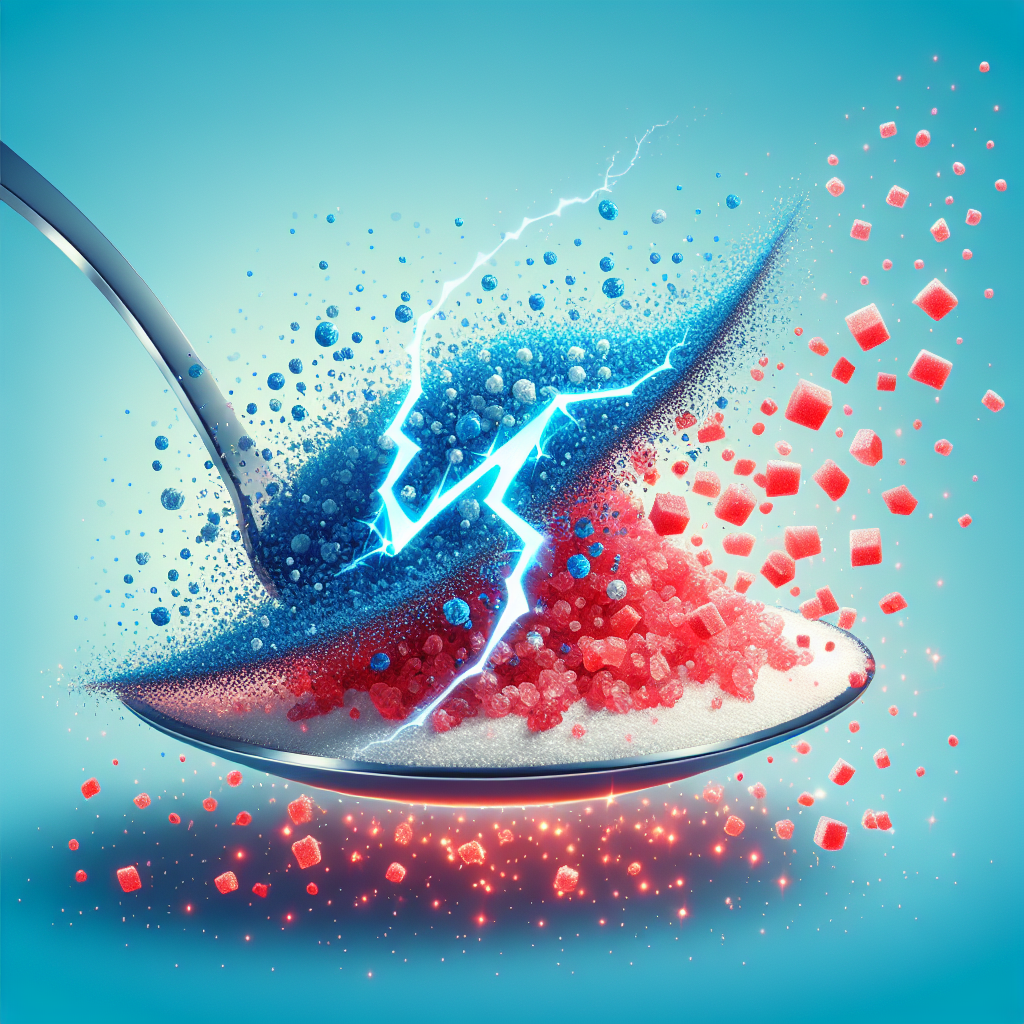
The Hidden Power of Salt and Sugar
Few dietary combinations are as dangerously effective at promoting overeating as the sodium and sugar synergy in processed foods. These two ingredients create intense flavors that overwhelm your brain’s natural satiety systems—the internal signals that normally tell you when to stop eating. As a result, you may find yourself in a cycle of cravings, consuming more than your body needs, and gradually gaining weight.
According to the Centers for Disease Control and Prevention (CDC), over 70% of the sodium in the typical American diet comes from pre-packaged and restaurant foods, many of which also contain added sugars (CDC, 2023). Understanding how this powerful pairing affects your brain and body is key to making healthier food decisions.
Why Salt and Sugar Together Are So Addictive
Individually, salt and sugar have distinct effects on the brain. Sugar causes a rush of dopamine—the neurotransmitter that gives you feelings of pleasure and reward. Salt, meanwhile, intensifies flavors and satisfies our natural desire for electrolyte-rich foods, which are important for hydration and essential body functions.
But when salt and sugar are combined—as in salted caramel, sweet-and-spicy sauces, or flavored snack mixes—the effect is far more powerful than either ingredient alone.
“Salt and sugar stimulate overlapping reward pathways in the brain,” explains Dr. Ashley Gearhardt, a clinical psychologist and food addiction researcher at the University of Michigan. “Together, they create what we call a super-stimulus—it’s more rewarding than sugar or salt alone.”
This blend activates the same reward system that drugs of abuse target, as confirmed by a study published in the American Journal of Clinical Nutrition (Gearhardt et al., 2011). When this system is hijacked, the signal to stop eating gets drowned out—not because you’re still hungry, but because the taste keeps calling.
Engineered to Keep You Eating
Take a walk through any supermarket and you’ll see shelves lined with ultra-processed foods. These items—ranging from frozen meals to salad dressings to whole-grain breads—are often packed with both sodium and added sugars, even if they don’t taste noticeably sweet.
This isn’t accidental. Food manufacturers carefully design products to hit what’s called the “bliss point”—the ideal mix of sugar, salt, and fat that keeps consumers coming back for more. According to findings published in Cell Metabolism, foods engineered for this bliss point activate brain reward centers and reduce your ability to regulate hunger and fullness (DiFeliceantonio et al., 2022).
For example, a standard ¾-cup serving of pasta sauce may contain 9 grams of added sugar and up to 500 milligrams of sodium—one-fifth of your recommended daily sodium in just a single serving.
Additionally, the Institute for Health Metrics and Evaluation (2021) found that foods high in added sugar and sodium account for over 60% of the daily calorie intake for American adults, making them a central driver of obesity.
How Salt and Sugar Disrupt Your Hunger Signals
The combination of salt and sugar doesn’t just taste great—it interferes with how your body manages appetite and fullness. Here’s how:
1. Reduces Sensitivity to Fullness
Normally, after eating, hormones like leptin and peptide YY are released to signal to your brain that you’re full. Diets high in sugar have been shown to make your brain less responsive to these signals. As a result, you continue eating even when your body has had enough.
2. Increases Flavor Appeal
Sweetness enhances salty taste, and salt enhances sweetness. Together, they delay “flavor fatigue,” keeping you interested in eating longer than you would with plain or unseasoned food.
3. Triggers a Dopamine Response
The salt-sugar combo causes an increased release of dopamine, creating a pleasurable chemical reward. “It creates a cycle—the more dopamine your brain expects from particular foods, the more likely it is to chase after that experience,” explains Dr. Gearhardt.
4. Leads to Faster Eating
Studies show that people consume salty, sugary snack foods about 25% faster than plainer options. Since it takes around 20 minutes for your body to recognize it’s full, this fast pace leads to overeating before fullness can catch up (Public Health Nutrition, 2019).
The Long-Term Damage of Eating Too Much Sugar and Salt
Food rich in added sugar and sodium doesn’t only inflate calorie intake—it contributes to serious health conditions over time.
– High sugar consumption is linked to type 2 diabetes, insulin resistance, and nonalcoholic fatty liver disease.
– Elevated sodium intake increases risk for high blood pressure, heart disease, and stroke.
– Eating too much of both dramatically raises your chances of developing obesity-related diseases and metabolic syndrome.
Research in the Journal of the American Heart Association reports that individuals who consume the most ultra-processed foods have a 58% greater risk of dying from heart disease than those who eat the least (JAMA, 2021).
Chronic overconsumption also promotes inflammation, which weakens the immune system and interferes with gut health.
Practical Steps to Break the Cycle
Overcoming the salt and sugar trap is possible—starting with awareness and simple practices that support better choices:
Read Nutrition Labels
Check for added sugars (listed as sucrose, dextrose, or high-fructose corn syrup) and excess sodium or MSG. Even “healthy” products like granola bars or flavored yogurt can be loaded with sugar.
Cook at Home More Often
Preparing your own meals gives you full control over what goes in your food. Use herbs, spices, citrus, and vinegar for flavor instead of relying on salt-heavy sauces or sugar-laden marinades.
Retrain Your Taste Buds
Gradually reduce the amount of sugar and salt in your diet. Within a couple of weeks, your palate adjusts—and processed foods begin to taste too sweet or salty.
Eat Slowly and With Purpose
Minimize distractions when eating. Chew carefully, savor each bite, and pause to feel your fullness before reaching for more.
Stay Hydrated
Thirst often mimics hunger. Drinking water before and during meals keeps your appetite signals in check and prevents unnecessary snacking.
For more expert guidance on managing cravings and supporting balanced nutrition, explore additional resources at eDrugstore.com.
Reclaim Control Over Your Cravings
The salt and sugar combo found in many ultra-processed foods is intentionally designed to override your body’s hunger signals and keep you eating. But there’s good news—you’re not powerless. By understanding how these ingredients influence your body and mind, and by making conscious dietary choices, you regain control over your appetite.
Real nourishment is about more than flavor. It’s about how food affects your body, brain, and long-term well-being. By stepping out of the salt-sugar feedback loop and choosing foods that genuinely satisfy, you support a healthier and more mindful way of eating.
Ready to take the next step? Sign up for our free weekly email with tips on managing cravings, improving nutrition, and building sustainable eating habits.
References
– Centers for Disease Control and Prevention (CDC). (2023). https://www.cdc.gov
– Gearhardt, A. N., et al. (2011). “Can food be addictive?” The American Journal of Clinical Nutrition, 94(6), 1642S–1648S.
– DiFeliceantonio, A. G. et al. (2022). “Highly processed foods can be uniquely reinforcing.” Cell Metabolism.
– Institute for Health Metrics and Evaluation. (2021). Global Burden of Disease Report.
– JAMA (2021). Consumption of Ultra-Processed Foods and Mortality Among American Adults.
– Public Health Nutrition. (2019). “Eating rate and food energy density in relation to energy intake.”
Related posts
How Strategic Cheat Meals Can Jumpstart Progress When Weight Loss Plateaus Threaten Your Motivation
Unlock the secret to overcoming weight loss plateaus with strategic cheat meals! Discover how indulging mindfully can reignite your motivation and boost your progress. Learn to transform those guilty pleasures into powerful tools that keep you on track and excited about your journey. Embrace balance, satisfaction, and success like never before!
Unlocking the Weekend Eating Paradox: Why Cheat Meals Can Boost Fat Loss Without Derailing Your Diet
Struggling to stick to your diet over the weekend? Discover the secret to enjoying guilt-free cheat meals while accelerating fat loss! “Unlocking the Weekend Eating Paradox” reveals how strategic indulgences can revitalize your metabolism and amplify results without derailing your progress. Ready to transform your weekends into a powerful weight-loss ally? Dive in now!
