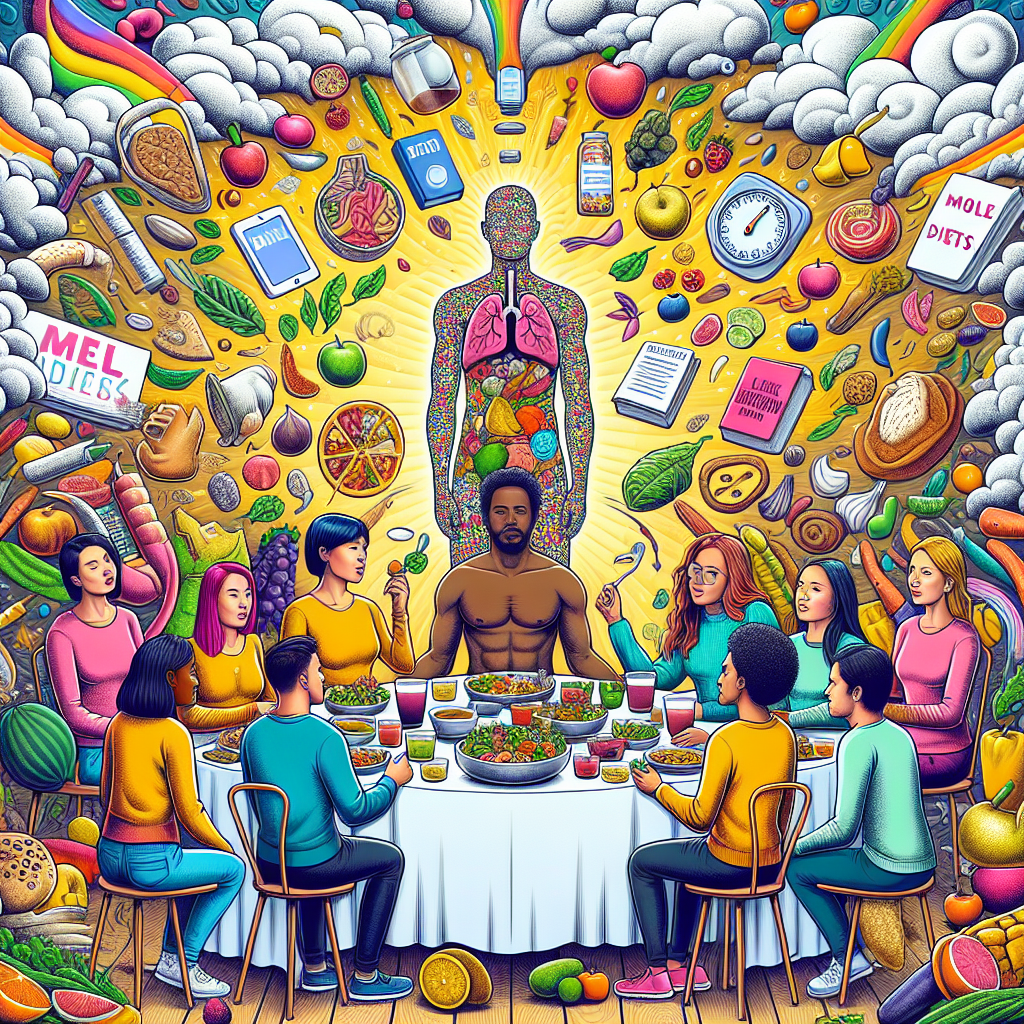
Millennials Face a Food Identity Revolution
In today’s world of countless food classifications — from keto and paleo to vegan and gluten-free — a subtle yet significant transformation is unfolding. Millennials, often labeled as trend-chasers, are moving away from strict dietary identities and embracing a more personalized, intuitive, and flexible approach to eating. What some describe as a “food identity crisis” is, in fact, a cultural awakening that may redefine not only how we think about food, but how we think about ourselves.
From Diet Labels to Personal Wellness Plans
Throughout the 20th century, diets were clear-cut and often served as almost sub-cultural identities. From the high-protein, low-carb Atkins craze to the strict ethics of veganism, dietary choices became personal brands. Christy Harrison, MPH, RD, highlights this phenomenon by stating, “Diet culture teaches us to moralize food and equate our value as people with our ability to comply with its rigid rules.”
Millennials are now pushing back. A 2022 International Food Information Council (IFIC) survey indicated that nearly 60% of Millennials favor a “personalized approach” to nutrition over following a branded diet plan. Rather than asking “Which popular diet should I try?” they’re increasingly asking, “What types of food make me feel best and align with my values?”
Blending Principles, Not Following Rules
Take for example someone who adopts parts of paleo and Mediterranean diets — eating whole foods and healthy fats while occasionally indulging in sweets or processed snacks. This fusion approach prioritizes taste, balance, and sustainability over categorization.
Wellness Trumps Weight Loss
For Baby Boomers and Gen X, diet success was often measured by pounds shed and calories avoided. For Millennials, success is defined by how they feel — physically, mentally, and emotionally.
Functional wellness is on the rise, emphasizing overall well-being, improved digestion, mood stability, and mental clarity. A 2023 Food & Health Survey revealed that 58% of Millennials actively choose foods with specific health benefits, such as promoting sleep or gut health. Popular options now include smoothies with adaptogens, turmeric lattes, and probiotic-rich foods like kimchi.
Dr. Megan Rossi, a registered dietitian and gut health specialist, explains, “Millennials are changing the way we look at food. It’s less about subtraction and more about intention. They’re asking, ‘How will this make me feel—in my gut, my brain, and my body?’”
Distrusting Diet Culture and Seeking Authenticity
Millennials did not invent skepticism around diet culture, but they have undoubtedly elevated the conversation. After decades of fad diets, yo-yo weight loss, and rising concerns over disordered eating, food labels now carry baggage.
Social movements and digital influencers have amplified awareness around toxic diet culture. The National Eating Disorders Association reports that up to 30 million Americans will struggle with an eating disorder. Constant social media exposure only intensifies the pressure.
In response, many Millennials are opting for intuitive eating — a practice that honors hunger cues, personal cravings, and nutritional balance without guilt. The outdated good-vs-bad food dichotomy is gradually being dismantled.
Rather than demonizing a slice of bread, they are more inclined to ask: Is it whole grain? How does my body respond to it? What am I pairing it with? This reflective approach replaces restriction with mindfulness.
Embracing Culture Through Food
Another powerful reason Millennials are rejecting conventional dietary labels is the cultural exclusivity embedded in many popular diets. Often based on Eurocentric norms, these diets overlook or undervalue traditional foods from regions like Africa, Latin America, and Asia.
Millennials are the most racially and ethnically diverse generation in U.S. history, according to Pew Research. Traditional meals such as pho, pupusas, jollof rice, and dosa may not appear on a clean eating checklist, yet they’re rich in nutrients and cultural significance.
Jessica Jones, MS, RD, and co-founder of Food Heaven, emphasizes, “When diets require giving up your culture’s food, they become alienating and even harmful. Food is cultural, emotional, and spiritual — not just nutritional.”
The Rise of the Flexitarian Lifestyle
Enter the flexitarian diet — a flexible, balanced approach that supports mostly plant-based eating while welcoming occasional meat, dairy, or cultural meals. Sometimes referred to as being “plant-curious,” flexitarianism avoids strict rules and allows for individual adjustment.
Studies show that flexitarian diets are linked to reduced risks of chronic diseases and are easier to sustain long-term. This mindset eliminates the guilt, rigid rules, and “cheat day” mentalities often associated with more prescriptive plans.
A typical Millennial’s plate might include tofu and grains at lunch, eggs for breakfast, and a grilled chicken dinner. It’s not about breaking rules, but about listening to one’s body, honoring cravings, and staying grounded in reality.
Information Abundance and Consumer Confusion
Millennials have unparalleled access to food information. Between academic studies, social media influencers, health podcasts, and wellness blogs, they are arguably the most informed generation regarding nutrition.
However, this abundance of information carries a downside: confusion and overload. One influencer recommends detox teas, another promotes fasting, and a health coach warns against coffee. This constant influx of health advice often leads to more questions than answers.
Many Millennials are building their own custom nutrition strategies—blending scientific knowledge, personal values, and life experience—while navigating through a digital jungle of misinformation.
For those seeking reliable options, some turn to established platforms like online pharmacies that offer FDA-approved treatments and professional healthcare guidance.
Freedom Over Food Fixation
At the heart of this movement lies a central realization: Millennials do not want their food choices to define their identity. They crave liberation from labels, the end of justification for their eating habits, and relief from the judgment endured through past diet fads.
In the hyper-visual age of TikTok food hacks and Instagram meal diaries, perhaps the most powerful form of self-care is to eat intuitively — to trust your body and enjoy food without fear.
Dr. Alexis Conason, author of The Diet-Free Revolution, explains, “Rejecting diet labels isn’t indifference — it’s intelligence. It means knowing yourself better than any trend could.”
This shift is not collapse but evolution. Millennials — once caricatured as trend-followers — are becoming the leaders of a more inclusive, self-aware, and compassionate approach to food. In doing so, they’re laying the path for future generations to eat not just healthfully, but joyfully.
Join the Conversation
What’s your approach to food? Have you moved beyond the label-based diet culture? We’d love to hear from you. Share your personal food philosophy in the comments or tag us on social media with the hashtag FoodFreedom.
Related posts

How Strategic Cheat Meals Can Jumpstart Progress When Weight Loss Plateaus Threaten Your Motivation
Unlock the secret to overcoming weight loss plateaus with strategic cheat meals! Discover how indulging mindfully can reignite your motivation and boost your progress. Learn to transform those guilty pleasures into powerful tools that keep you on track and excited about your journey. Embrace balance, satisfaction, and success like never before!
Unlocking the Weekend Eating Paradox: Why Cheat Meals Can Boost Fat Loss Without Derailing Your Diet
Struggling to stick to your diet over the weekend? Discover the secret to enjoying guilt-free cheat meals while accelerating fat loss! “Unlocking the Weekend Eating Paradox” reveals how strategic indulgences can revitalize your metabolism and amplify results without derailing your progress. Ready to transform your weekends into a powerful weight-loss ally? Dive in now!
