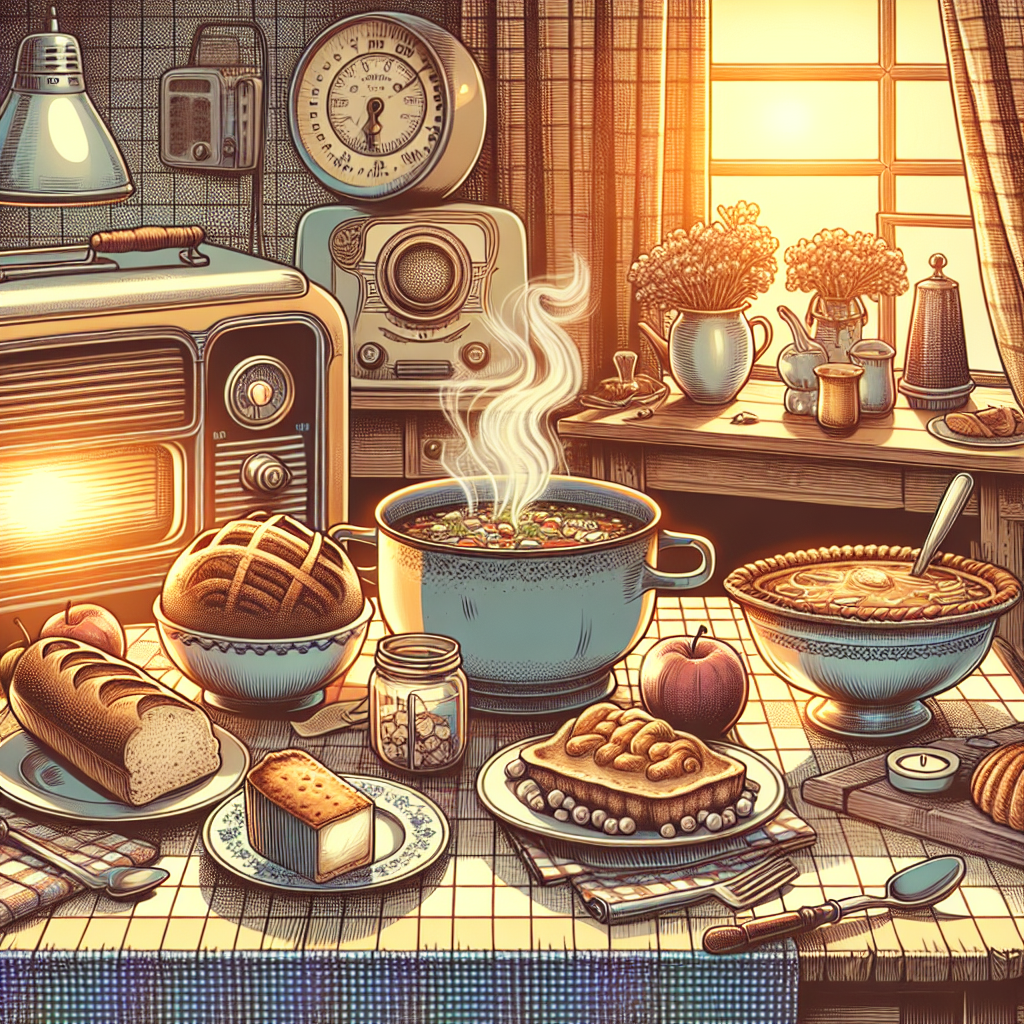
Nostalgia Eating: Why Comfort Foods Are Making a Cultural Comeback
The Resurgence of Nostalgia in Modern Eating Habits
In an age of rapid technological advancement and global uncertainty, people are looking for more than just sustenance — they are seeking emotional comfort. Enter the phenomenon of nostalgia eating and comfort food resurgence. This cultural trend celebrates dishes that evoke memories of simpler, more secure times. Classics like mom’s macaroni and cheese, grandma’s meatloaf, or the boxed puddings eaten after school are taking center stage in both kitchens and conversation.
A 2022 report by the International Food Information Council revealed that 73% of Americans feel emotionally better after eating certain foods. “Comfort food reminds people of a time when things felt more secure,” explains Dr. Susan Whitbourne, professor of psychological and brain sciences at the University of Massachusetts Amherst. “It’s like hitting the emotional reset button with a fork.”
Celebrity chefs are reinventing retro dishes, while social media creators highlight nostalgic snacks, amplifying their relevance for a new generation.
Why Our Brains Crave Comfort Food
The allure of comfort food is deeply tied to psychology. During stressful or uncertain times, our brains gravitate toward familiar sensations that evoke safety and continuity. Food becomes a gateway to emotional stability — whether it’s the warmth of a grilled cheese sandwich or the sweet satisfaction of a cherry-flavored toaster pastry.
This connection is largely driven by the limbic system — the brain’s emotional center. By triggering positive memories, comfort foods boost mood and lower stress hormones like cortisol. A 2021 study in the journal Appetite found that 45% of participants felt less anxious after consuming foods tied to positive experiences.
“Nostalgia can work as a powerful regulatory mechanism,” notes Dr. Krystine Batcho, professor of psychology at Le Moyne College. “When we eat foods tied to good memories, we aren’t just feeding hunger — we’re cultivating emotional comfort.”
For example, enjoying a cupcake from the bakery you visited as a child can instantly elevate your mood — that’s the emotional magic of nostalgic eating.
How the Pandemic Restarted Home-Cooked Tradition
The COVID-19 pandemic reawakened the desire for familiar flavors. Lockdowns and social isolation led many back to their kitchens and their roots. While banana bread stole TikTok’s spotlight, dishes like casseroles, Jell-O molds, and boxed brownie mixes saw a revival.
Throughout 2020, grocery retailers reported a surge in sales for pantry staples such as boxed macaroni and cheese, frozen dinners, and sandwich spreads. But this wasn’t just a utilitarian shift; it was therapeutic.
“People weren’t just baking,” culinary historian Sarah Lohman told Wired. “They were searching for the taste of home to bring emotional relief.”
Platforms like Instagram and Facebook were filled with cherished family recipes, while younger generations reinterpreted dishes with creative flair. What started as a temporary escape has now evolved into a lasting culinary transformation.
Nostalgia Eating as Cultural Expression
What began as a coping mechanism has turned into a form of cultural reclamation. Nostalgia eating is no longer just about personal memories — it’s become a way to honor heritage and identity. Immigrant family food traditions and cultural preservation now play a central role in shaping this modern comfort food movement.
Take the example of a second-generation Filipino-American preparing their grandmother’s adobo, blending traditional flavors with contemporary health-conscious alternatives like coconut aminos. Similarly, chefs and food entrepreneurs are reimagining dishes such as meatloaf, chicken pot pie, and sloppy joes with gourmet finishes, offering a nostalgic yet modern twist.
The 2023 Technomic Food Trends Report revealed that 54% of restaurants added retro-inspired items to their menus last year. There’s also been a noticeable uptick in diner-style cuisine with an emphasis on comfort.
Packaged food companies have also responded to demand. General Mills, Kellogg’s, and PepsiCo reintroduced discontinued snacks from the 1990s and early 2000s. Fast food heavyweights like Taco Bell and McDonald’s revived iconic items such as the Mexican Pizza and Szechuan Sauce, fueling demand with a mix of memory and modern marketing.
The Rise of Digital Comfort Food Culture
Social media has amplified the reach and appeal of nostalgia-based eating. The digital comfort food movement thrives on platforms like TikTok and YouTube, where creators engage audiences with popular trends such as “lunchbox nostalgia” and “vintage recipe recreations.” Social media recipes from the 80s and 90s inspire online communities that connect across ages, cultures, and locations.
Millions have engaged with hashtags like ComfortFoodChallenge and ThrowbackRecipes. Creators replicate cafeteria-style pizza, pudding pies, and even share decades-old recipe cards passed down through generations.
On TikTok, the viral account nostalgicheats boasts nearly two million followers. Its most popular content includes inventive spins like an “adult charcuterie board made from Lunchables” and gourmet TV dinner makeovers.
Digital nostalgia has proven to be more than entertainment — it’s a shared experience that fosters connection through flavors of the past.
Balancing Flavor and Wellness with Modern Culinary Innovation
Comfort food has evolved to align with modern wellness trends. Health-minded consumers now seek indulgence without compromise. This has led to the rise of mindful eating and emotional nourishment — with a new focus on recipes like vegan comfort food for emotional well-being and keto-friendly retro meals.
Modern variations of comfort classics now feature nutritious alternatives: cauliflower mashed potatoes, gluten-free lasagna, and plant-based meatloaf lead the charge. The National Restaurant Association reported that 68% of chefs foresee a major rise in health-conscious comfort food in the next five years.
“Today’s comfort food isn’t about self-sabotage,” says nutritionist Rebecca Scritchfield, author of Body Kindness. “It’s about holistic self-care. You can satisfy your soul and support your health at the same time.”
This shift reflects a broader desire for food that feels good — emotionally and physically.
Comfort Food as a Gateway to Connection
In a world filled with unpredictability, nostalgia eating offers a reliable way to find emotional footing. Whether it’s a warm bowl of chili passed down for generations or a frozen pizza enjoyed after school, these foods are more than just meals — they are emotional markers of personal identity and cultural belonging.
“Nostalgia eating helps us emotionally stabilize and spiritually recalibrate,” says Dr. Krystine Batcho. By revisiting the flavors of our past, we ground ourselves more firmly in the present.
So go ahead — whip up that childhood cereal or recreate your mom’s iconic lasagna. Because sometimes, the most direct path to joy and comfort is through your plate — and your memories.
References
– International Food Information Council (2022). Food and Health Survey
– Technomic (2023). Global Food Trends Report
– Batcho, K. (2020). Nostalgia: A Psychological Resource. Psychology Today
– Whitbourne, S. (2021). The Role of Emotion in Eating Behaviors. Journal of Applied Social Psychology
– Lohman, S. (2020). “What We Cook When the World Falls Apart.” Wired
– National Restaurant Association (2023). Culinary Forecast
Explore More
For additional insights on how nutrition and emotional well-being intersect, visit edrugstore.com.
Related posts
How Strategic Cheat Meals Can Jumpstart Progress When Weight Loss Plateaus Threaten Your Motivation
Unlock the secret to overcoming weight loss plateaus with strategic cheat meals! Discover how indulging mindfully can reignite your motivation and boost your progress. Learn to transform those guilty pleasures into powerful tools that keep you on track and excited about your journey. Embrace balance, satisfaction, and success like never before!
Unlocking the Weekend Eating Paradox: Why Cheat Meals Can Boost Fat Loss Without Derailing Your Diet
Struggling to stick to your diet over the weekend? Discover the secret to enjoying guilt-free cheat meals while accelerating fat loss! “Unlocking the Weekend Eating Paradox” reveals how strategic indulgences can revitalize your metabolism and amplify results without derailing your progress. Ready to transform your weekends into a powerful weight-loss ally? Dive in now!
