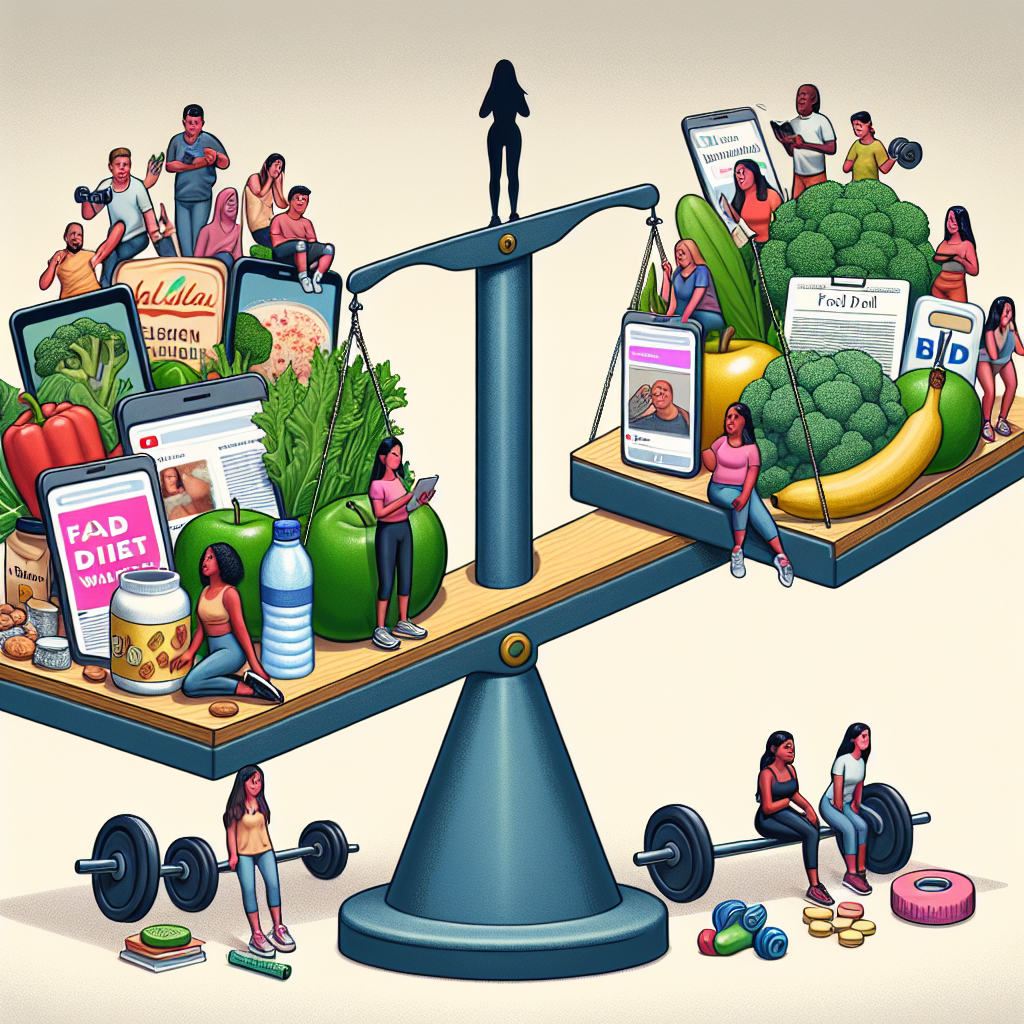
Is TikTok a Wellness Hub or a Diet Disinformation Danger Zone?
In today’s digital culture of fast content and algorithm-targeted feeds, TikTok has positioned itself as a powerful influence in shaping public health opinions. With over one billion active users monthly, the platform delivers an endless stream of videos ranging from fitness tips and nutrition advice to mental health insights and so-called “life-changing” diet practices.
But beyond the aesthetic matcha lattes and fifteen-second detox fads lies a pressing question: Is TikTok helping cultivate a genuine wellness community, or is it perpetuating a dangerous cycle of diet misinformation?
The Rise of the Wellness Lifestyle on TikTok
In recent years, TikTok’s finely tuned algorithm has transformed the “For You” page into a showcase for what’s often referred to as the wellness lifestyle aesthetic. Picture avocado toast plated to perfection, pastel-colored green smoothies in chic glass jars, calming yoga poses, sunrise skincare routines, and softly lit journaling sessions set to relaxing indie music.
These visual vignettes are crafted to be both aspirational and approachable, especially for younger audiences looking to improve their overall health. “TikTok makes health feel fun and within reach,” says Dr. Sandra Holden, a clinical psychologist specializing in youth wellness. “It turns complex subjects into quick, relatable media.”
Recent findings from Pew Research Center underline this shift. An estimated 40 percent of Gen Z users now turn to platforms like TikTok and Instagram for information — including health guidance — over traditional search engines.
This growing trust means TikTok isn’t just shaping conversations around wellness. It’s actively influencing behavior. And that, while exciting, carries certain risks.
When Personalized Feeds Become Wellness Echo Chambers
Though TikTok can connect users around shared health goals and foster a sense of belonging, its algorithm often encourages a limited worldview. By prioritizing content users interact with, the platform gradually creates an echo chamber — one where only a narrow vision of health is represented.
A user who interacts with videos about low-calorie meals or intermittent fasting may start seeing more content promoting rigid diets and unrealistic body ideals. Especially popular tags like “CalorieDeficit” or “What I Eat in a Day” regularly feature restrictive food diaries with little context regarding the creator’s personal health, activity level, or nutritional needs.
A 2023 study in the journal Eating Behaviors revealed that nearly 60 percent of food-related content on TikTok contains subtle or overt messages encouraging disordered eating habits or obsessive body monitoring.
“This sort of messaging can be incredibly damaging,” explains registered dietitian Maya Feller. “When restriction and guilt are normalized on such a public platform, especially for teenagers, it can encourage unhealthy relationships with food.”
Misinformation Masquerading as Wellness Advice
TikTok’s major drawback is how seamlessly misinformation can spread under the guise of personal success stories. Influencers — many of whom aren’t trained professionals — frequently tout supplements, detox drinks, or metabolism tricks that supposedly worked for them. Rarely is there solid science to support these claims.
The short video format further complicates things. These clips don’t offer room for important nuance such as genetic factors, underlying medical conditions, or contraindications. A trending example is the so-called “internal shower” — a concoction of chia seeds, lemon, and water that promises digestive miracles. While safe for some users, it may lead to discomfort or bloating in others, with no studies backing the broader benefits.
Because these videos feel authentic and personal, watchers often accept them as truth, bypassing the scrutiny they’d apply to information found in medical journals or official guidelines.
“Popular doesn’t mean proven,” Feller warns. “What you see going viral isn’t always good for every body.”
How Validation Fuels Diet Culture
TikTok thrives on user engagement. Likes, comments, and shares provide immediate feedback, reinforcing behaviors and ideas — no matter how misguided.
This emotional reward system is tailor-made for diet culture. Quick-fix regimens and dramatic transformations often receive more attention than cautious, evidence-based content. Unfortunately, that virality helps boost harmful trends, often without critique.
The Positive Side of Wellness Content
To be fair, not all TikTok wellness content spreads misinformation. Many creators are actively challenging toxic diet culture, promoting realistic goals, and normalizing mental healthcare with hashtags like BodyPositivity, IntuitiveEating, and TherapyTok.
“I’ve seen clients discover terminology and coping tools on TikTok that they hadn’t encountered before,” says Dr. Alicia Grant, a licensed therapist who advocates for responsible social media use.
These thoughtful creators often include licensed professionals — such as registered dietitians, therapists, and certified personal trainers — who offer science-backed advice in easy-to-understand formats. Some, like Nutrition by Kylie (a registered dietitian with over one million followers), even use humor and real-world examples to debunk dieting myths in an accessible, friendly way.
However, despite their qualifications and grounded content, these professionals often struggle to generate the same reach as influencers who use sensational hooks or dramatic before-and-after reveals.
5 Smart Tips for Navigating TikTok Wellness Content
With so much content available — both helpful and harmful — how can users protect themselves and make informed choices? Here are five practical strategies to follow:
1. Verify Credentials: Always check whether a content creator is a certified health expert — such as a dietitian (RD), medical doctor (MD), licensed therapist (LMFT), or certified personal trainer (CPT) — before taking their advice seriously.
2. Question Extreme Claims: Statements like “Lose 10 pounds without effort” or “Eat only during moon cycles” should immediately raise skepticism. Sustainable health isn’t based on gimmicks.
3. Avoid Comparison: Videos describing what someone eats in a day or their weekly workout plan ignore unique biological differences. Mimicking them without context can be harmful.
4. Diversify Your Feed: Expand your exposure to different viewpoints by following professionals, diverse voices, and content rooted in science. This helps counteract the echo chamber effect of the algorithm.
5. Seek Professional Guidance: Considering supplements, detox plans, or new routines? Speak to licensed professionals before making changes. Sites like eDrugstore.com connect users with healthcare providers quickly and securely.
A Platform with Power — and Responsibility
TikTok’s influence in the wellness arena is vast and growing. While it offers democratized access to health information, it also creates fertile ground for misinformation and unrealistic standards.
Used wisely, TikTok can be a tool for empowerment. But that requires curiosity, discernment, and a willingness to ask difficult questions. True wellness is not about viral smoothies or sunset-lit abs — it’s about consistent, science-based habits personalized to your own needs.
So, the next time you see a trending health tip, take a moment to pause and reflect: Who’s offering this advice? Do they have the credentials to back it up? And is it the right choice for you?
With a mindful approach, TikTok wellness doesn’t have to be misleading or dangerous. It can become part of a smarter, more sustainable journey toward better health.
Related posts
How Strategic Cheat Meals Can Jumpstart Progress When Weight Loss Plateaus Threaten Your Motivation
Unlock the secret to overcoming weight loss plateaus with strategic cheat meals! Discover how indulging mindfully can reignite your motivation and boost your progress. Learn to transform those guilty pleasures into powerful tools that keep you on track and excited about your journey. Embrace balance, satisfaction, and success like never before!
Unlocking the Weekend Eating Paradox: Why Cheat Meals Can Boost Fat Loss Without Derailing Your Diet
Struggling to stick to your diet over the weekend? Discover the secret to enjoying guilt-free cheat meals while accelerating fat loss! “Unlocking the Weekend Eating Paradox” reveals how strategic indulgences can revitalize your metabolism and amplify results without derailing your progress. Ready to transform your weekends into a powerful weight-loss ally? Dive in now!
