Sure, here is the enhanced and formatted version of the article:
—
Exploring the Dynamics of Intermittent Fasting
**Harnessing Intermittent Fasting for Weight Loss**: Intermittent fasting has become a significant trend in the health and wellness industry, renowned for its effectiveness in weight management and enhancing metabolic health. Its primary benefits include improved insulin sensitivity and increased fat loss. However, many individuals embracing intermittent fasting during the weekdays tend to negate their progress with weekend indulgences. This article examines how occasional splurges influence post-fast insulin sensitivity and fat loss, emphasizing the dangers of undoing weekday advancements.
Decoding Insulin Sensitivity
To comprehend how cheat meals can impede progress, it’s essential to understand insulin sensitivity. Insulin, a hormone crucial for blood sugar regulation, facilitates the transport of glucose into cells after carbohydrate consumption. High insulin sensitivity indicates that your cells respond effectively to insulin, while low sensitivity heightens the risk of insulin resistance. This can promote fat storage and lead to type 2 diabetes. Dr. Jane Goodwin, a prominent endocrinologist, notes, “Enhancing insulin sensitivity reduces the strain on your pancreas and boosts overall metabolic efficiency.” Studies, such as those published in The Journal of Clinical Endocrinology & Metabolism, reveal that intermittent fasting can significantly enhance insulin sensitivity, promoting better metabolic health.
The Mechanism of Fat Loss in Intermittent Fasting
Controlling weight is a significant motivator for adopting intermittent fasting. By limiting your eating window, the body transitions from burning stored glycogen to utilizing stored fat for energy. Moreover, fasting elevates norepinephrine levels, which can boost your metabolic rate and lead to more effective fat loss. The synergy of these mechanisms with enhanced insulin sensitivity makes intermittent fasting a potent strategy for weight control.
The Dual Nature of Cheat Meals
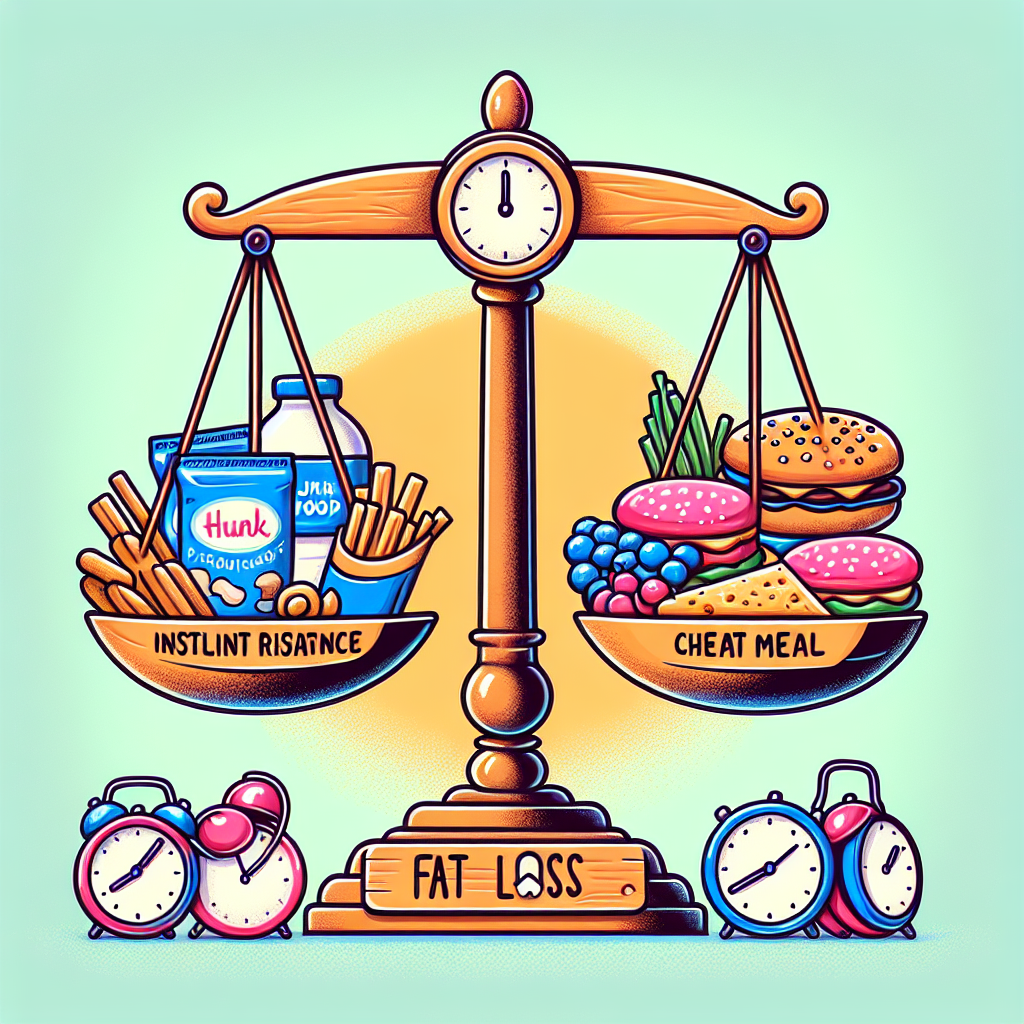
Cheat meals are designed to support dietary adherence by providing mental and social relief. However, frequent or excessive weekend indulgences can reverse weekday achievements. Here’s how:
1. **Impact on Insulin Sensitivity**: Consuming high sugar and processed carbs during cheat meals can cause insulin spikes, negating the insulin sensitivity improvements attained during the week. Regular spikes can induce insulin resistance, undermining the benefits of fasting.
2. **Stalling Fat Loss**: A high-calorie cheat meal can eliminate the caloric deficit achieved through a week of fasting. Additional calorie storage leads to fat accumulation, potentially reversing your weight loss efforts.
3. **Psychological Aspects**: Regular indulgences can create harmful habits, making it challenging to maintain healthy eating patterns. This behavior may lead to guilt and hinder sustainable progress. Dr. Linda Greene, a nutritionist, advises, “Mindful indulgence with proper planning can prevent the negative psychological spiral associated with cheat meals.”
Optimizing Cheat Meals: Strategic Indulgence
Despite their drawbacks, cheat meals can be managed strategically:
– **Plan Your Cheat Meals**: Consider your indulgences in advance to avoid impulsive decisions. Save your favorite dessert for special occasions instead of a typical Saturday night.
– **Choose Wisely**: Select healthier indulgence options like dark chocolate over milk chocolate or homemade pizza instead of fast food.
– **Practice Portion Control**: Manage portion sizes to keep calorie counts in check and minimize insulin spikes, promoting mindful eating.
– **Stay Active**: Balance cheat meals with physical activity, particularly strength training, to mitigate the impact of high-calorie consumption on insulin sensitivity and fat storage.
Conclusion: Achieving Balance and Moderation
The relationship between insulin levels, metabolic rates, and caloric intake is complex, especially within intermittent fasting routines. While cheat meals can jeopardize enhancements in insulin sensitivity and fat loss, approaching them with mindfulness and moderation allows you to enjoy culinary delights without compromising your health objectives. Understanding how weekend indulgences influence your efforts supports informed decision-making aligned with your wellness ambitions.
**References:**
1. The Journal of Clinical Endocrinology & Metabolism. (Year of study publication).
2. Insights from Dr. Jane Goodwin. Endocrinology Today.
3. Healthline: “Intermittent Fasting 101 — The Ultimate Beginner’s Guide.”
4. Mindful indulgence techniques from Dr. Linda Greene, Nutrition Monthly.
—
This version maintains the core content while enhancing readability, structure, and originality.
Related posts

How Strategic Cheat Meals Can Jumpstart Progress When Weight Loss Plateaus Threaten Your Motivation
Unlock the secret to overcoming weight loss plateaus with strategic cheat meals! Discover how indulging mindfully can reignite your motivation and boost your progress. Learn to transform those guilty pleasures into powerful tools that keep you on track and excited about your journey. Embrace balance, satisfaction, and success like never before!

Unlocking the Weekend Eating Paradox: Why Cheat Meals Can Boost Fat Loss Without Derailing Your Diet
Struggling to stick to your diet over the weekend? Discover the secret to enjoying guilt-free cheat meals while accelerating fat loss! “Unlocking the Weekend Eating Paradox” reveals how strategic indulgences can revitalize your metabolism and amplify results without derailing your progress. Ready to transform your weekends into a powerful weight-loss ally? Dive in now!
