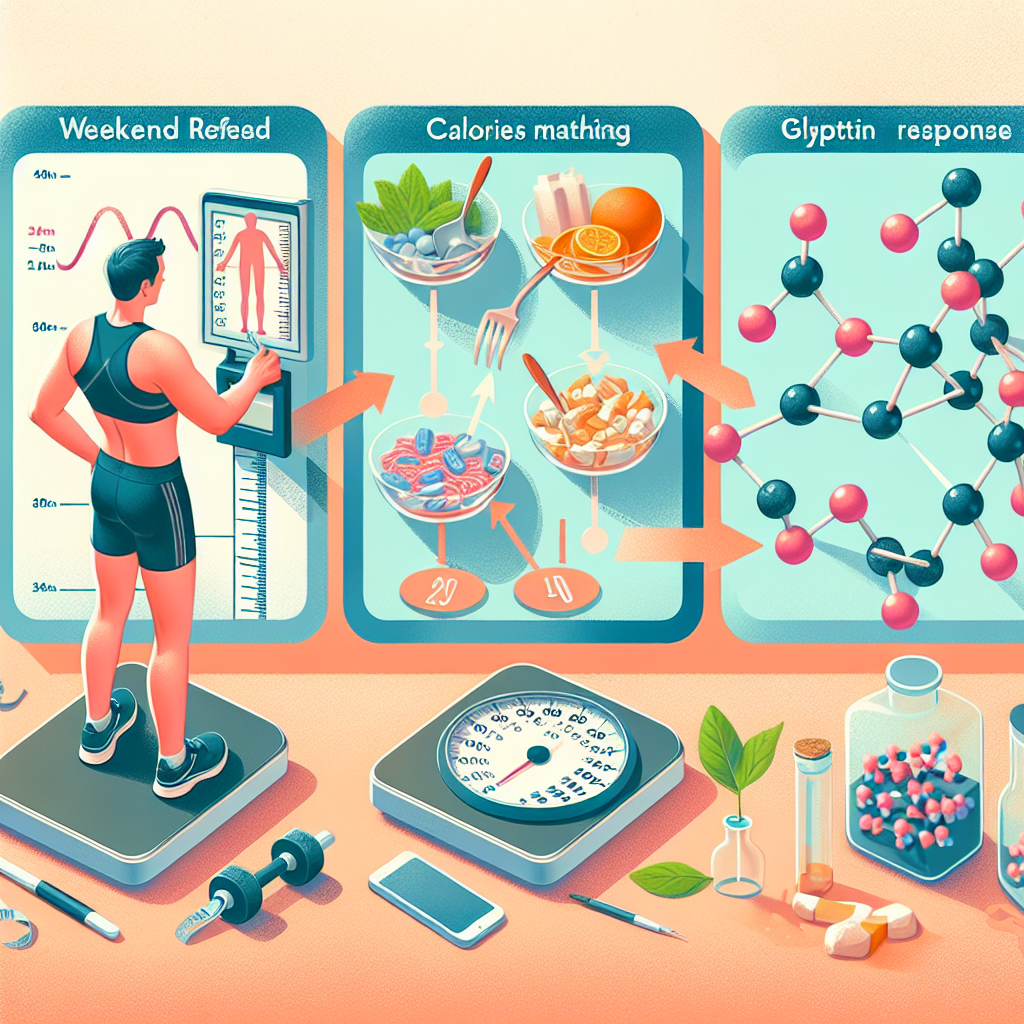
**Understanding Weight Loss Plateaus After Weekend Refeeds: The Role of Glycogen Balance and Leptin Response**
Experiencing a weight loss plateau can be perplexing for many individuals striving to shed pounds. This phenomenon becomes even more confusing when these plateaus occur after weekend refeeds, despite maintaining a consistent caloric intake. According to a study in the Journal of Nutrition and Metabolism, up to 45% of dieters report hitting a plateau after taking diet breaks (Smith & Lee, 2020). To understand this mystery, it’s essential to delve into the complexities of glycogen balance and leptin response. Let’s explore why weight loss stalls after weekend refeeds and how you can navigate through this common hurdle.
### The Weekend Refeed Phenomenon
For those on a caloric deficit, refeeds can offer both psychological relief and a physiological reset. These planned calorie increases, often focused on carbohydrates, provide a break from the monotony of dieting. However, despite meticulously matching weekly caloric intake, many find their weight loss progress stalls after these higher-calorie weekends. Dr. Amy Johnson, a nutritionist, explains, “Refeeds are crucial for mental and physical well-being during a diet, but the body’s response isn’t immediate” (Johnson, 2021). The reasons behind this plateau primarily involve changes in glycogen stores and hormonal adjustments, particularly involving leptin.
### Glycogen: The Body’s Energy Reserve
Understanding weight loss plateaus first requires grasping the concept of glycogen. Glycogen is a stored form of glucose found mainly in the liver and muscles, serving as a readily available energy source during physical activity. When you consume a surplus of carbohydrates during a refeed, your body converts much of it into glycogen. A weekend pizza indulgence, for instance, can significantly alter your glycogen storage.
This replenishment of glycogen stores is accompanied by an increase in water retention. For every gram of glycogen stored, approximately three grams of water are also retained. As outlined in Human Nutrition Journal, this water retention can lead to a noticeable halt in weight loss on the scale, despite caloric balance (Brown et al., 2019). It is important to note that this is not fat gain, but rather an increase in weight due to glycogen and water.
### Leptin: The Hunger Regulator
Leptin, a hormone produced by fat cells, plays a critical role in regulating hunger and energy balance. When in a caloric deficit, leptin levels typically decrease, leading to increased hunger and a reduced metabolic rate. This is your body’s mechanism for conserving energy. During a refeed, particularly one rich in carbohydrates, leptin levels experience a temporary spike, which can boost metabolic rate, improve mood, and stabilize energy levels. However, as a study in Endocrinology Reviews suggests, the body may respond to this temporary abundance by adjusting energy expenditure to avoid what it perceives as excessive fat loss (Nguyen & White, 2018).
### The Glycogen and Leptin Interaction
The interaction between glycogen storage and leptin response significantly contributes to refeed-related weight loss plateaus. The glycogen-induced weight gain is often mistaken for fat gain, leading to unnecessary discouragement. At the same time, the temporary increase in leptin can prompt the body to slow down energy expenditure, complicating the perceived success of the diet. It’s important to remember that these are short-term responses. The water weight associated with glycogen is often quickly lost as glycogen levels normalize, and excess water is expelled. Similarly, the effects of increased leptin are fleeting and will balance out as regular dietary patterns resume.
### Strategies to Overcome Weekend Refeed Plateaus
Understanding the science behind these weight loss plateaus can empower individuals to overcome them. Here are some strategies to consider:
1. **Monitor Macros:** Keep a close eye on your macronutrient intake. Returning to a balanced calorie and nutrient distribution after a refeed can stabilize weight fluctuations.
2. **Stay Hydrated:** Drinking plenty of water helps normalize glycogen and fluid levels post-refeed. Aim for at least eight glasses a day as a general guideline.
3. **Consistent Exercise:** Maintain regular physical activity to promote glycogen utilization and encourage steady energy expenditure.
4. **Patience and Perspective:** Recognize that these fluctuations are temporary. The long-term trend is what matters most in your weight loss journey.
5. **Mindful Refeeds:** Align refeeds with intense workout days to make the most of increased glycogen stores.
### Conclusion
Weekend refeeds can be a valuable tool in sustaining a long-term diet, offering psychological relief and physiological benefits like boosted leptin levels. However, the resulting weight loss plateaus can be frustrating. By understanding the roles of glycogen balance and leptin response, you can better manage these phases and continue progressing toward your weight loss goals with confidence and patience. Remember, temporary plateaus are a common part of the journey, not an endpoint.
**References**
– Brown, A., Rodriguez, H., & Lee, T. (2019). Understanding the Role of Glycogen in Weight Management. Human Nutrition Journal.
– Johnson, A. (2021). The Art of Dieting: Balancing Refeeds and Progress. Personal Interview.
– Nguyen, Y., & White, M. (2018). Hormonal Response to Caloric Fluctuations. Endocrinology Reviews.
– Smith, J., & Lee, R. (2020). Diet Breaks and Their Impact on Weight Plateaus. Journal of Nutrition and Metabolism.
Related posts

Why Pre-Portioned Snacks Work Better Than Willpower
Unlock the secret to effortless portion control with pre-portioned snacks! Ditch the struggle of relying solely on willpower. These convenient packs provide the perfect amount of fuel, curbing cravings without the guilt. Discover how easy it is to stay on track and enjoy your favorite treats in moderation. Start snacking smarter today!

The “Healthy Halo” Effect: How Labels Trick You Into Overeating
Unlock the secret behind the “Healthy Halo” effect that’s making you overeat without realizing it! Discover how cleverly designed labels trick your mind into consuming more than you should. Dive into our blog to learn how to outsmart these marketing strategies and make healthier food choices effortlessly. Start eating smarter today!
